Bangladesh's National Equipment Identity Register (NEIR) is being implemented
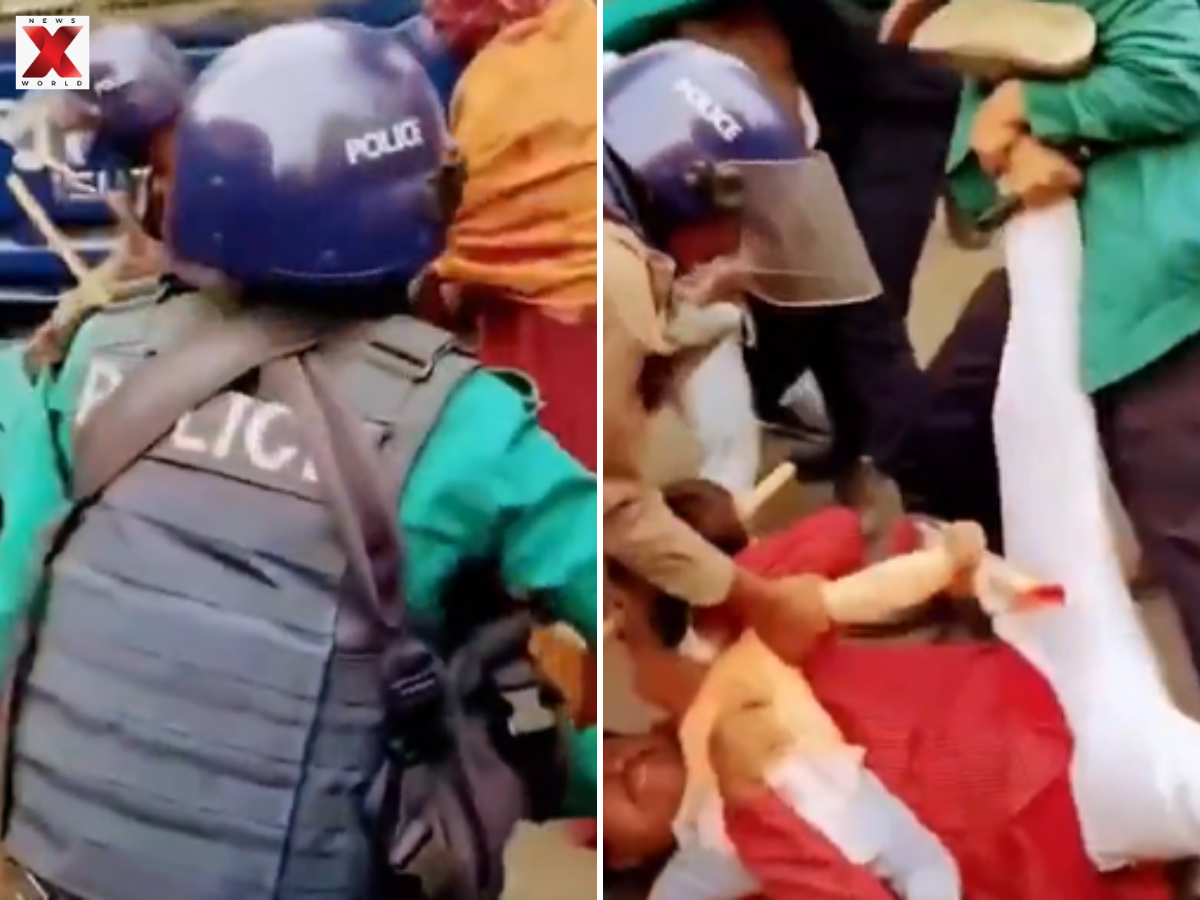
Mobile phone traders took to the streets Sunday morning, blocking a major road to protest Bangladesh’s new National Equipment Identity Register.
This system tracks phones and cracks down on illegal imports. By 11:30 a.m., police had moved in, breaking up the demonstration, injuring at least 20 people and detaining about a dozen. Police called the protest disruptive.
Elsewhere, in Gulshan, locals tied a homeless woman to a pole and doused her with water after accusing her of theft. Police eventually stepped in.
Online, some people claimed she was targeted for religious reasons, but reports on the ground pointed to theft as the real motive.
These incidents highlight the tension across Bangladesh right now, as the country adjusts to life under interim leader Muhammad Yunus.
Basically, it’s a new government rule: every mobile phone in Bangladesh has to be registered and verified before it can work on local networks. The Bangladesh Telecommunication Regulatory Commission (BTRC) rolled it out to get a grip on phone imports and clamp down on unregistered devices.
If your phone was already active with a SIM before the system kicked in, you’re good—it gets registered automatically.
But if you have a phone that’s second-hand or bought overseas, you’ll need to register it yourself once it’s in the country.
When you pop in a SIM, the system checks your phone’s IMEI number against the national database. If your phone checks out, you keep service. If not, you could lose access to the network.
NEIR ties every phone’s IMEI to both the SIM card and the user’s National ID, so each device and user leave a clear footprint in the national database.
If you swap out a SIM card, your phone won’t work until you register the new SIM with that device. And now, they’ve cut down the number of SIMs you can link to one National ID down from 15 to just 10. It’s all about tightening security and cutting down on SIM-related scams.
If you bring in a phone from abroad or get one as a gift, it’s not automatically registered. You have to go through an extra step registering through SMS or the BTRC’s NEIR portal within a set time after landing in Bangladesh.
Officials say NEIR helps the government fight illegal phone imports and collect the customs duties that usually slip through the cracks. It should also make things safer helping to stop telecom fraud, mobile financial service scams, and people misusing SIMs. By linking phones to real people, it gets a lot harder to fake identities.
The system also tracks and blocks fake or cloned phones, making it easier for law enforcement to trace devices tied to crime. Telecom companies are updating their own systems now so everything lines up with the new national rules.
Still, rolling out NEIR hasn’t exactly been smooth. The system was supposed to go live on December 16, 2025, but they pushed it back to January 1, 2026, mainly to give phone sellers more time to report all their unsold phones.
A lot of traders especially those working in the grey market aren’t happy. They worry NEIR will hurt their business, shrink the informal market, and make phones more expensive for everyone.
Mahieka Sharma’s reaction after Hardik Pandya was dismissed in India vs South Africa T20 World…
The United States Embassy in Mexico advised US citizens in Jalisco, Tamaulipas, Michoacán, Guerrero, Nuevo…
Mexico’s armed forces have killed Nemesio “El Mencho: Oseguera, whom authorities had identified as the…
