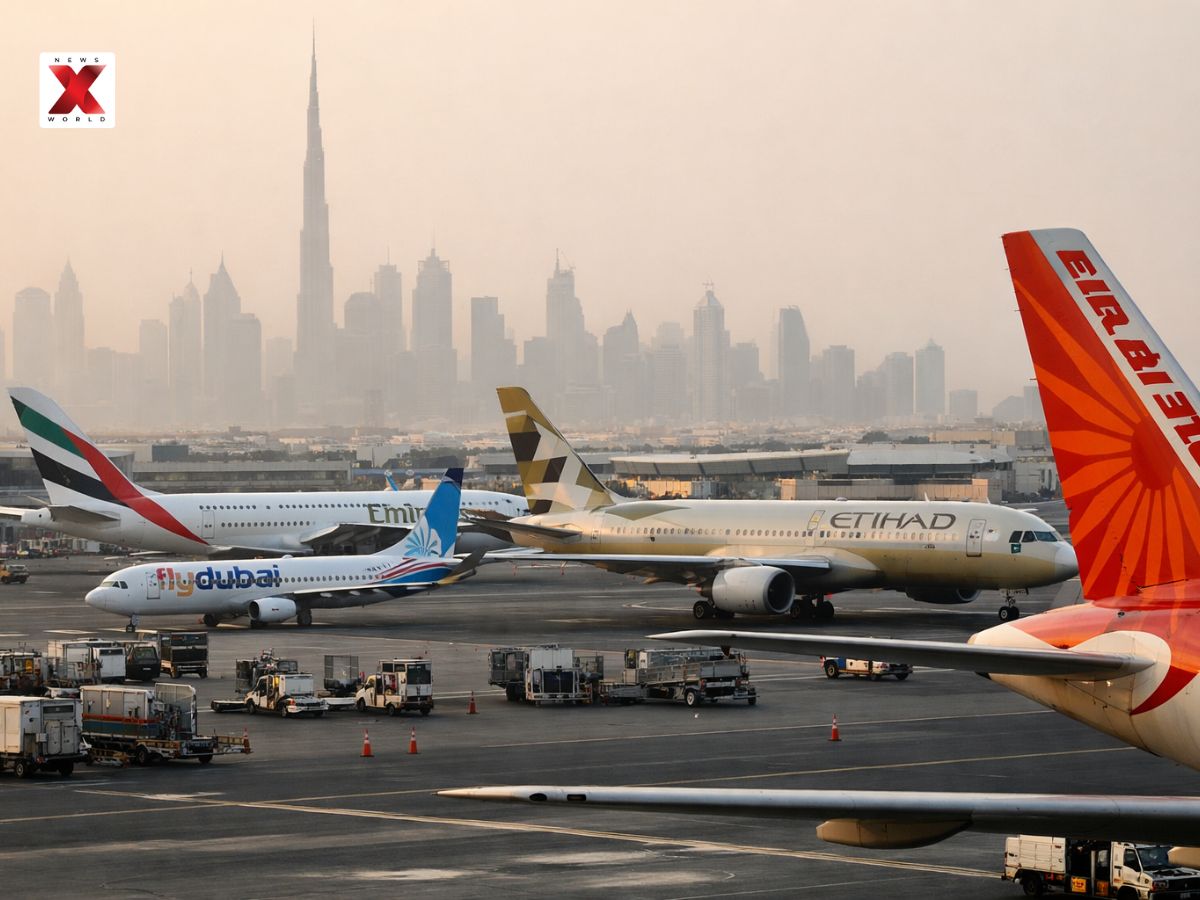
The ongoing West Asia conflict has significantly impacted India’s aviation, tourism and hospitality sectors, leading to a 15-20 per cent decline in inbound tourist traffic and an estimated net loss of Rs 18,000 crore for the aviation industry, according to a report released by the PHD Chamber of Commerce and Industry (PHDCCI).
The report, titled “Impact of the West Asia Conflict on India’s Tourism, Aviation & Hospitality Sectors,” highlighted widespread disruptions across key segments, even as strong domestic demand continues to provide some stability.
India’s tourism and hospitality sector, which contributes nearly 8 per cent to GDP and supports over 40 million jobs, had witnessed a strong recovery in 2025. However, fresh geopolitical tensions in early 2026 have introduced new volatility.
The aviation sector has emerged as the most affected, with airlines facing flight cancellations, airspace restrictions and rerouting of international flights. These disruptions have increased flying time by 2-4 hours on key routes, leading to higher fuel consumption and operating costs. Fuel already accounts for 35-40 per cent of airline operating costs, further straining profitability.
The disruption of key Middle East air corridors, among the busiest transit routes globally, has also reduced connectivity efficiency and pushed up airfares.
The report noted a 15-20 per cent decline in inbound tourist traffic, particularly in leisure travel, as global travellers adopt a cautious approach amid geopolitical uncertainty.
Outbound travel trends have also shifted, with Indian travellers preferring short-haul destinations such as Thailand, Singapore and Vietnam, while long-haul routes have seen moderation.
In the hospitality sector, the report mentioned that the domestic travel demand continues to support occupancy levels, but rising energy costs, higher input prices and fluctuating international demand have put pressure on margins, especially in premium and business hotel segments.
The restaurant and food services sector is also facing challenges, with around 10 per cent of restaurants reported to have shut down and business declining by Rs 79,000 crore per month.
Input costs have risen by 10-15 per cent due to higher prices of imported ingredients, logistics and energy. While domestic demand and food delivery, contributing 20-30 per cent of revenues, are providing some stability, profitability remains under pressure, particularly for small and mid-sized operators.
Despite these disruptions, domestic tourism continues to act as a key growth driver, supported by trends such as staycations, experiential travel and dining.
The report suggested several measures to mitigate the impact, including diversifying air routes, improving connectivity, rationalising taxation on aviation turbine fuel and hospitality services, and providing financial support to MSMEs.
It also highlighted the need to strengthen infrastructure, promote domestic tourism circuits and enhance digital travel facilitation.
The report concluded that while the conflict has caused short-term disruptions, it also presents an opportunity to build a more resilient and diversified tourism ecosystem in India.
(Inputs from ANI)
Manisha Chauhan is a passionate journalist with 3 years of experience in the media industry, covering everything from trending entertainment buzz and celebrity spotlights to thought-provoking book reviews and practical health tips. Known for blending fresh perspectives with reader-friendly writing, she creates content that informs, entertains, and inspires. When she’s not chasing the next viral story, you’ll find her diving into a good book or exploring new wellness trends.
Viral Video: Michigan Nurse Faces Backlash Over Alleged Threat to Assassinate Donald Trump
A Michigan nurse identified as Rhonda Lee faces online backlash after a viral video allegedly…
Viral Video: Michigan Nurse Faces Backlash Over Alleged Comments Targeting Donald Trump
A Michigan nurse identified as Rhonda Lee faces online backlash after a viral video allegedly…
Myanmar Blast At Kaung Tat Village Kills 55, TNLA Suspects Mining Material Accident
At least 55 people were killed in a blast in Myanmar’s Kaung Tat village, with…
