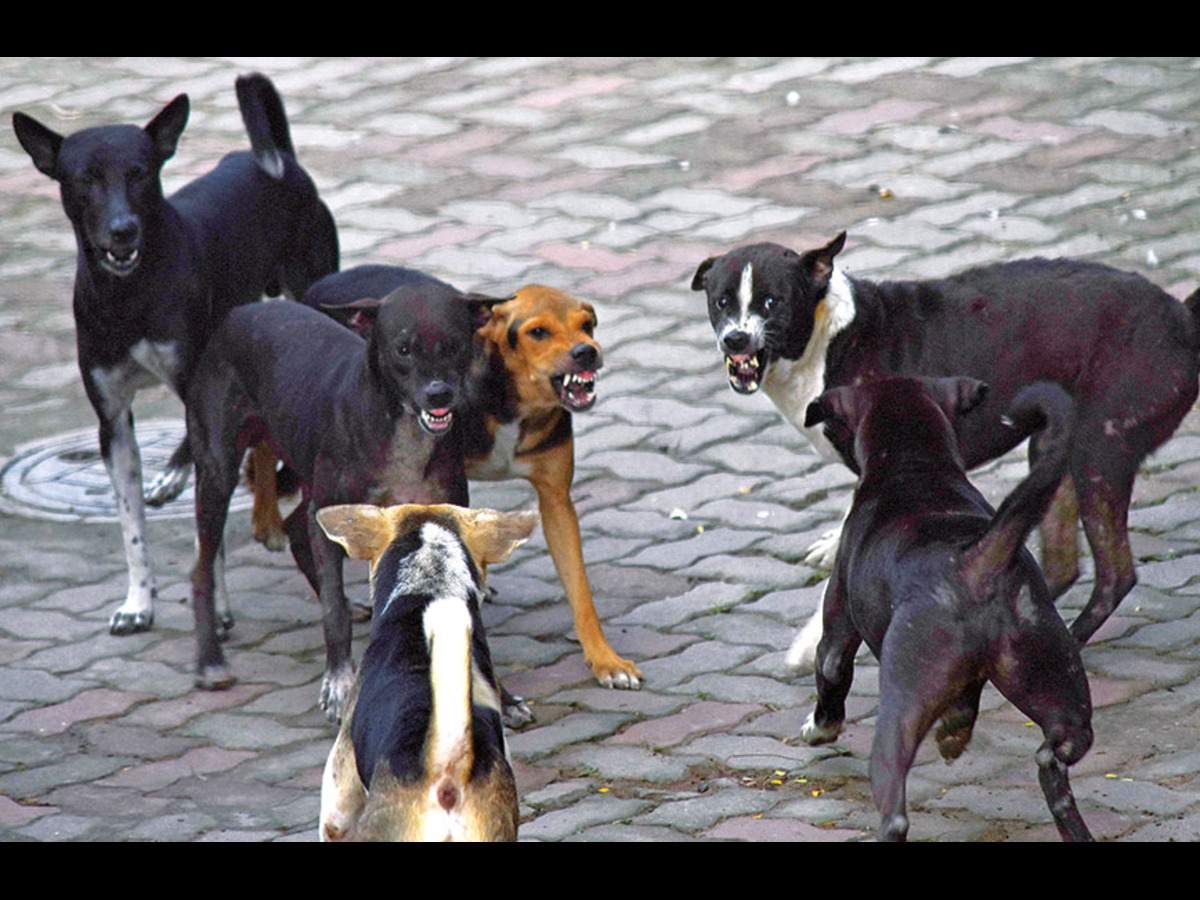
As India grapples with record-high dog bite incidents and rabies cases, a comparative look at how other nations tackle the issue offers valuable insights.
In Cambodia, authorities executed an impressive mass rabies vaccination campaign, inculcating 2.2 lakh (220,000) dogs in just two weeks. The initiative underscores the power of swift, large-scale interventions to curb rabies transmission through preventive action.
Meanwhile, Bhutan has emerged as a global leader in humane dog population control. Under its Nationwide Accelerated Dog Population Management and Rabies Control Programme (NADPM & RCP), launched in March 2022, the country achieved 100% sterilisation of free-roaming dogs by October 2023, a significant feat, involving 61,680 dogs sterilised with the mobilization of 12,812 personnel across 217 clinics, all for a budget of $3.55 million.
Turkey’s approach emphasizes both animal welfare and public safety. The country enacted legislation requiring municipalities to shelter, vaccinate, neuter, and attempt adoption, with euthanasia limited to sick or dangerous dogs only.
Meanwhile, Pakistan’s Punjab province opted for a more drastic measure. Facing a surge in dog attack cases, authorities culled 1,000 stray dogs within two weeks in March 2025, a response reflecting the immediate pressure to safeguard public health.
These varied global strategies from prevention-focused campaigns in Cambodia and Bhutan to legislative interventions in Turkey and rapid culling in Pakistan highlight differing balances between humane policy and emergency action. As India searches for sustainable solutions, these international models offer prompts for designing more effective, compassionate, and systematic responses to its stray dog and rabies challenges.
Also Read: India Rules Out De-Dollarisation in BRICS, Emphasises Local Currency Trade
Pakistan-Afghanistan War: A deadly airstrike in Kabul has left at least 400 people dead, with…
Timothée Chalamet unveils a battle-worn, scarred Paul Atreides in Dune: Part Three. The first look…
NVIDIA unveils DLSS 5, featuring Real-Time Neural Rendering for AI-driven photorealistic lighting, skin, fabric, and…
