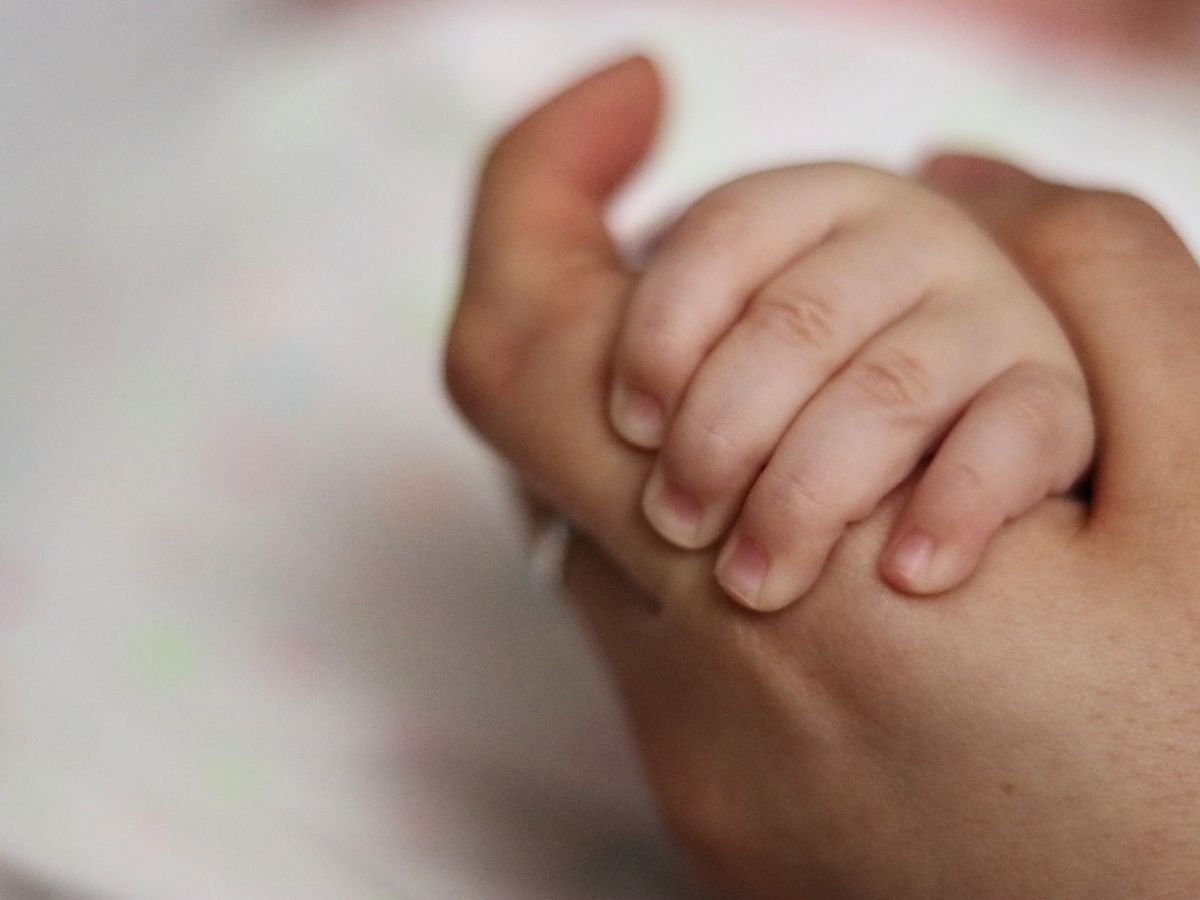
Baby dies hours after birth as Ohio firm denied mother’s WFH request.(Photo: Canva)
An Ohio company has been ordered to pay $22.5 million after denying a pregnant employee’s request to work from home during a complicated pregnancy, a decision that tragically contributed to the death of her newborn baby.
Chelsea Walsh, an employee at Total Quality Logistics (TQL), underwent a medical procedure in February 2021 during a high-risk pregnancy. Following her doctor’s instructions, she requested to work from home to limit physical activity and remain on modified bed rest.
According to reports by WKRC and court documents reviewed by People magazine, TQL denied her request. The company told Walsh she must either continue reporting to the office or take unpaid leave, which would have resulted in losing both income and health insurance coverage.
Walsh complied and returned to the office on February 22, 2021, despite her doctor’s strict instructions to work remotely. She worked for three days under these conditions before going into labor on the evening of February 24.
Later that day, Walsh gave birth to a baby girl, named Magnolia, who was born more than 18 weeks premature. Court documents state that Magnolia initially had a heartbeat, was breathing, and exhibited fetal movement. Tragically, she died approximately one hour and 30 minutes after birth.
Ironically, TQL approved Walsh’s request to work from home just a few hours before she went into labor.
The family filed a wrongful death lawsuit against TQL, claiming the company’s refusal to grant remote work permission led directly to Magnolia’s death.
A jury in Hamilton County, Ohio, found TQL liable, describing the outcome as “heartbreaking” for the family. The initial award was $25 million, with 90 percent of the fault assigned to TQL, resulting in a $22.5 million judgment.
Matthew C. Metzger of Wolterman Law Office, co-counsel for the family, said, “The evidence showed that Chelsea Walsh was following her doctor’s instructions for a high-risk pregnancy and simply asked to work from home. The jury found that TQL’s denial of that reasonable request led to the death of her daughter.”
This case highlights the serious consequences of denying work-from-home requests, especially during medically complicated pregnancies. Legal experts say it may prompt companies to reconsider rigid office policies to protect employee health and avoid potential liability.
Sofia Babu Chacko is a journalist with over five years of experience reporting on Indian politics, crime, human rights, gender issues, and stories about marginalized communities. She believes journalism plays a crucial role in amplifying unheard voices and bringing attention to issues that truly matter. Sofia has contributed articles to The New Indian Express, Youth Ki Awaaz, and Maktoob Media. She is also a recipient of the 2025 Laadli Media Awards for gender sensitivity. Beyond the newsroom, she is a music enthusiast who enjoys singing. Connect with Sofia on X: https://x.com/SBCism
CTET February 2026 Result: How to Check Scorecard at ctet.nic.in
The Central Board of Secondary Education (CBSE) is expected to release the CTET Result 2026…
Rapido faces backlash after driver’s anti-Muslim remark in viral Eid call; netizens slam incident as…
Discover why PSL 2026 is moving to a two-city model. PCB Chairman Mohsin Naqvi confirms…
