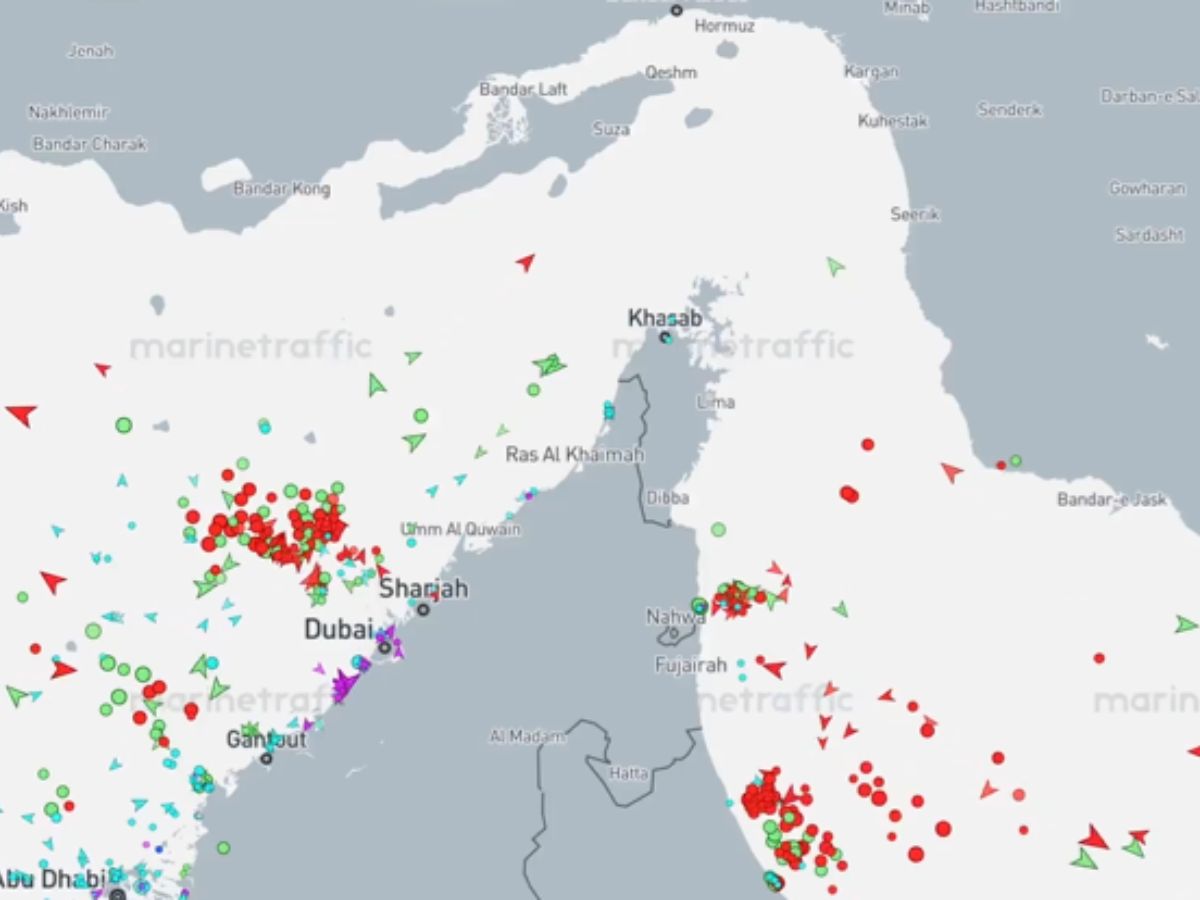
Iran has recently written to member states of the IMO, stating that non-hostile vessels may continue passing through the Strait of Hormuz, as long as those vessels coordinate with relevant Iranian authorities. The letter was sent in the context of increasing tensions across the region.
This information is coming to light during a period when the ongoing US-Israel-Iran war has severely impacted global flows of energy. Nearly 20 % of all global shipments of oil and processed natural gas pass through the Straits of Hormuz, and these shipments have practically come to a halt. The aforementioned situation has created significant concerns of supply shortfalls and volatility in global markets.
In the letter sent to the IMOs, Iran’s Foreign Ministry has outlined Iran’s stance, as well as its actions, in regards to the strategic waterway. As reported, Iran asserts that it has undertaken, and will continue to undertake, the necessary and proportional steps to prevent the aggressors and their supporters from utilizing the Strait of Hormuz for offensive actions directed against Iran.
Iran has indicated that not every vessel will be treated the same according to communications from Tehran; they have advised that vessels associated with the U.S., Israel, or “other participants in aggression” do not have the right to conduct innocent or non-hostile passage through this vital shipping route.
The Strait of Hormuz is still an essential chokepoint to the global economy, and it is particularly crucial for transporting energy, and any disruption at this location would have an immediate impact worldwide. The position taken by Iran demonstrates that they are attempting to restrict access while providing qualified passage for non-threatening vessels.
The report has not yet been verified independently; however, Reuters has not been able to confirm both the existence of the letter or the events described in Iran’s report at this time.
The International Maritime Organization (IMO), based in London, is the UN organization tasked with ensuring the safe and secure operation of global shipping and protecting the marine environment. It includes 176 member states and is a major forum for coordination of maritime policy in crisis situations like the present one.
Khalid Qasid is a media enthusiast with a strong interest in documentary filmmaking. He holds a Master’s degree in Convergent Journalism from AJK MCRC. He has also written extensively on esports at Sportsdunia. Currently, he covers world and general news at NewsX Digital.
Alan Ritchson, star of Reacher and War Machine, is under investigation after a physical altercation…
Iran says the US and Israel struck targets near the Bushehr Nuclear Power Plant, raising…
Police are investigating whether five spent cartridges found at Ashok Kharat’s farmhouse were linked to…
