US military losses in Iran war reportedly hit $2.9B as F-35, F-16 jets, radar systems and aircraft carrier face damage since Feb 28. Photos: X.
The ongoing war with Iran has reportedly inflicted significant losses on the United States military. According to reports, military assets worth billions of dollars have been damaged or destroyed since the war began on February 28. The losses include advanced fighter jets, refuelling aircraft, drones and sophisticated radar systems, according to multiple media reports.
Some of the damage has reportedly resulted from Iranian missile and drone strikes, while other incidents have been attributed to accidents and operational chaos.
A report by the Wall Street Journal last week claimed that the total damage to US military assets so far has been estimated at $2.9 billion. Since then, more aircraft and other assets have been damaged by the Iranian army.
Reports claim that around 18 US military aircraft have been destroyed since February 28. The losses reportedly include some of the United States’ most advanced combat platforms, such as the F-35 Lightning II and F-16 Fighting Falcon, as well as support aircraft like the KC-135 Stratotanker.
In the latest development, two US warplanes were reportedly shot down within a 24-hour period while operating over Iran, according to several media and news agency reports.
A report by Reuters, citing US and Iranian officials, said that the aircraft had been downed and that search operations were underway to rescue the pilots.
The incident comes shortly after Donald Trump issued warnings earlier in the week urging Iran to strike a deal or face severe consequences. Trump had said Tehran could be hit “extremely hard” and warned the country risked being pushed back to the “Stone Age”.
Reports first emerged on Friday morning that a US F-35 fighter jet had been shot down. Iranian state media carried the claim, saying the aircraft had been destroyed by an air defence system operated by the Islamic Revolutionary Guard Corps.
“A second US fifth-generation F-35 was struck and downed over central Iran by a new IRGC Aerospace Force air defence system. Given the massive explosion on impact and during the crash, the pilot is unlikely to have ejected,” a spokesperson for Khatam al-Anbiya Headquarters said, according to Press TV, as cited by Reuters.
However, later reports clarified that the aircraft downed earlier on Friday was actually an F-15 fighter jet, not an F-35 as initially claimed by Iranian media. According to Reuters, US officials confirmed the correction regarding the aircraft type.
The Iranian government also shared videos of the alleged takedown on its official accounts on X, the social media platform.
Later on Friday evening, another US aircraft was reportedly struck during operations in the region.
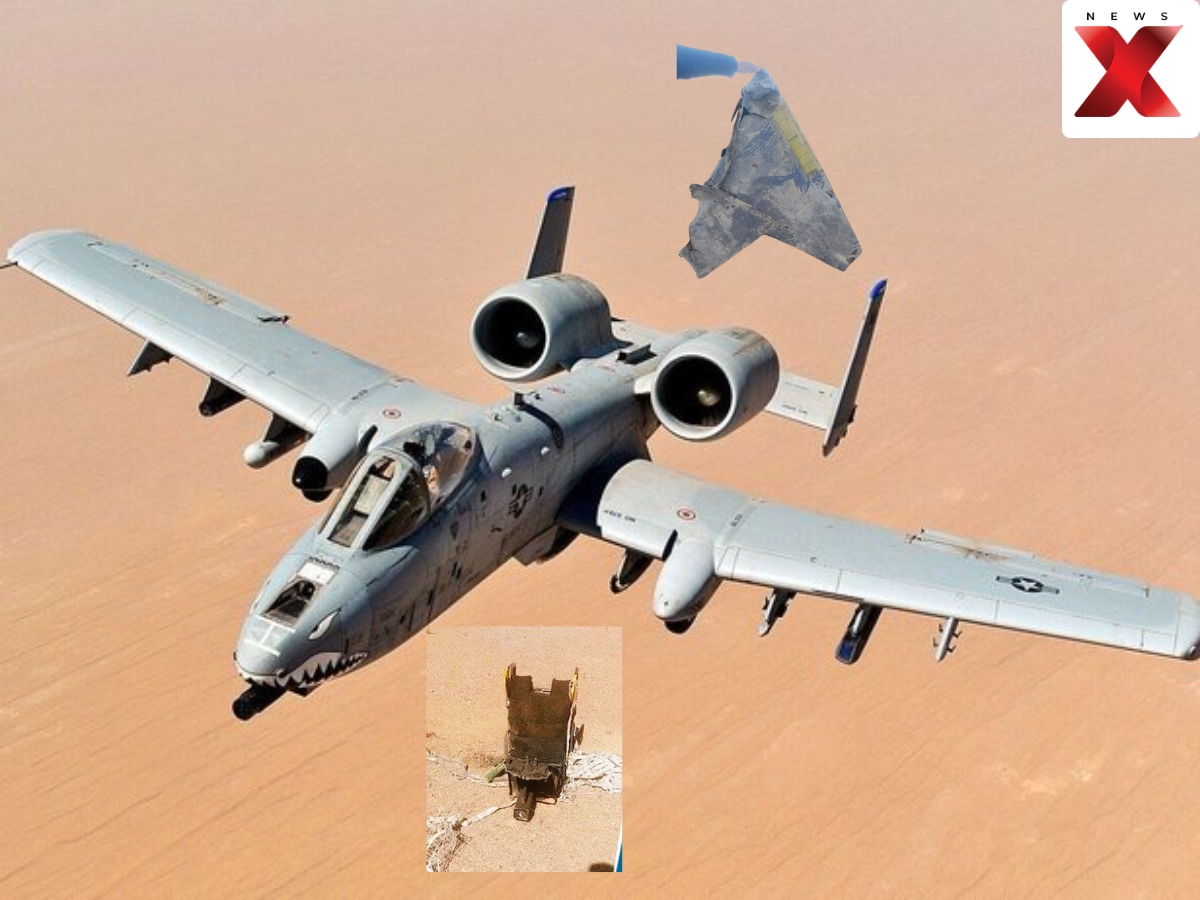
According to two US officials cited by Reuters, an A-10 Warthog attack aircraft was hit by Iranian missiles and crashed over Kuwait. The pilot of the aircraft reportedly managed to eject safely.
During the search operations for the missing pilot in the latest incidents, two Black Hawk helicopters were also fired upon by Iranian forces. Despite the attack, the helicopters were able to exit Iranian airspace safely, according to the US officials quoted by Reuters.
Earlier on March 19, Iran claimed it had shot down a US F-35 Lightning II, one of the most valuable aircraft in the US military’s arsenal and a key component of its fifth-generation combat capabilities.
However, the United States did not acknowledge the claim.
The war has also affected US naval assets. The USS Gerald R. Ford (CVN‑78), one of the most advanced aircraft carriers in the US Navy, reportedly sustained damage during deployment.
However, the damage was not caused by enemy fire, but instead resulted from an onboard incident, US claimed.
Beyond aircraft losses, advanced radar and air defence infrastructure connected to US operations in the region has also reportedly been degraded.
Among the key systems affected is the AN/TPY-2 radar in Jordan, an important component of the Terminal High Altitude Area Defense (THAAD) missile defence system. Reports say the radar was hit, although the extent of the damage remains unclear.
Similar strikes have reportedly targeted radar, communications and air defence systems across several Gulf countries, including Qatar, the UAE, Bahrain, Kuwait and Saudi Arabia.
One of the most significant reported damages involves the AN/FPS-132 early-warning radar at Al Udeid Air Base in Qatar.
Zubair Amin is a Senior Journalist at NewsX with over seven years of experience in reporting and editorial work. He has written for leading national and international publications, including Foreign Policy Magazine, Al Jazeera, The Economic Times, The Indian Express, The Wire, Article 14, Mongabay, News9, among others. His primary focus is on international affairs, with a strong interest in US politics and policy. He also writes on West Asia, Indian polity, and constitutional issues. Zubair tweets at zubaiyr.amin
OnePlus Nord 6 is shaping up to be a powerful mid-range phone with a massive…
The Ministry of Petroleum and Natural Gas (MoPNG) has assured citizens that petrol, diesel, and…
Gujarat Titans vs Rajasthan Royals IPL 2026 clash at Narendra Modi Stadium sees Shubman Gill’s…
