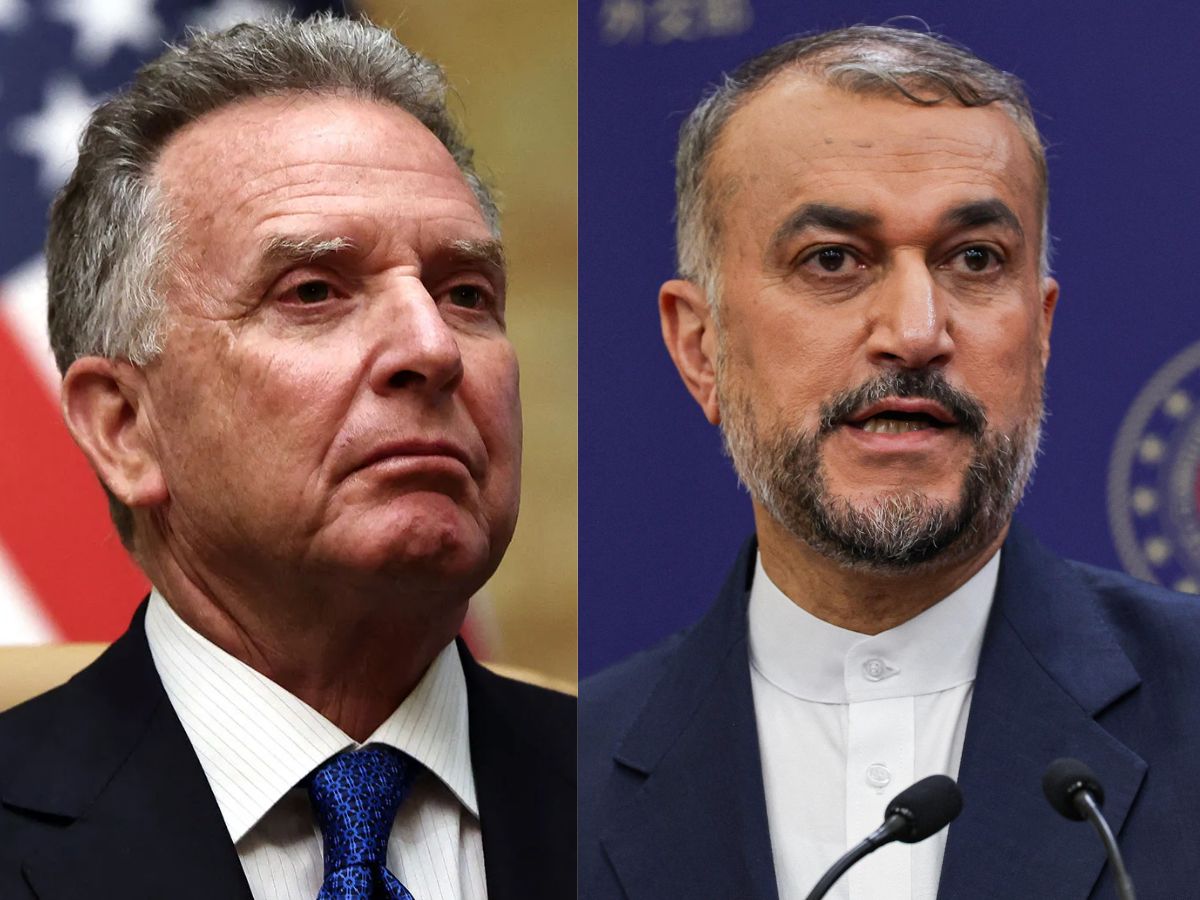
Iran Calls US Talks a "Good Beginning" Amid Nuclear Negotiations and Regional Tensions
Iranian Foreign Minister Abbas Araghchi described the recent United States mediation talks as a “good beginning” after the critical developments that occurred in Muscat.
The talks that Oman’s Foreign Minister Badr Albusaidi arranged mark the first major diplomatic interaction between the two countries since their destructive military operations in June.
The two delegations have returned to their home countries to discuss technical methods that will lead to de-escalation despite the ongoing atmosphere of distrust that Araghchi describes as a “climate of mistrust.”
The Iranian delegation dedicates its entire efforts to the nuclear file, which it uses to negotiate an end to international economic sanctions that harm the nation.
Tehran has shown it will stop its current practice of destroying facilities because the Trump administration imposed a complete destruction threat on the city.
The proposed concessions to Iran involve transferring its 400-kilogram stockpile of 60-percent enriched uranium to a third country, which will probably be Russia, while they investigate a regional consortium that will handle uranium enrichment.
The government uses these offers as a “peaceful pivot” because they want to maintain control during their most dangerous period of domestic unrest since 1979.
The Trump administration has implemented a maximum pressure policy through its special envoy Steve Witkoff and Jared Kushner, who support military operations that currently involve a large naval force in the Arabian Sea.
While Iran insists on a “nuclear-only” agenda, Washington demands broader guarantees that specifically target the “Axis of Resistance” and Iran’s ballistic missile capabilities. Admiral Brad Cooper from CENTCOM attended the negotiations to demonstrate that military options still existed.
The United States doubts a deal that overlooks Tehran’s support for regional proxy groups and its domestic human rights violations, according to human rights organizations, which have documented over 6900 fatalities from recent governmental crackdowns.
A recent media graduate, Bhumi Vashisht is currently making a significant contribution as a committed content writer. She brings new ideas to the media sector and is an expert at creating strategic content and captivating tales, having working in the field from past four months.
A viral video shows Amity University students slapping, punching, and pulling each other’s hair in…
The US imposed new sanctions on Iran’s oil, petrochemical trade, and hidden tanker fleet after…
Despite Trump’s claims, Venezuelan crude cannot replace Russian oil for India. Reliance’s recent purchase is…
