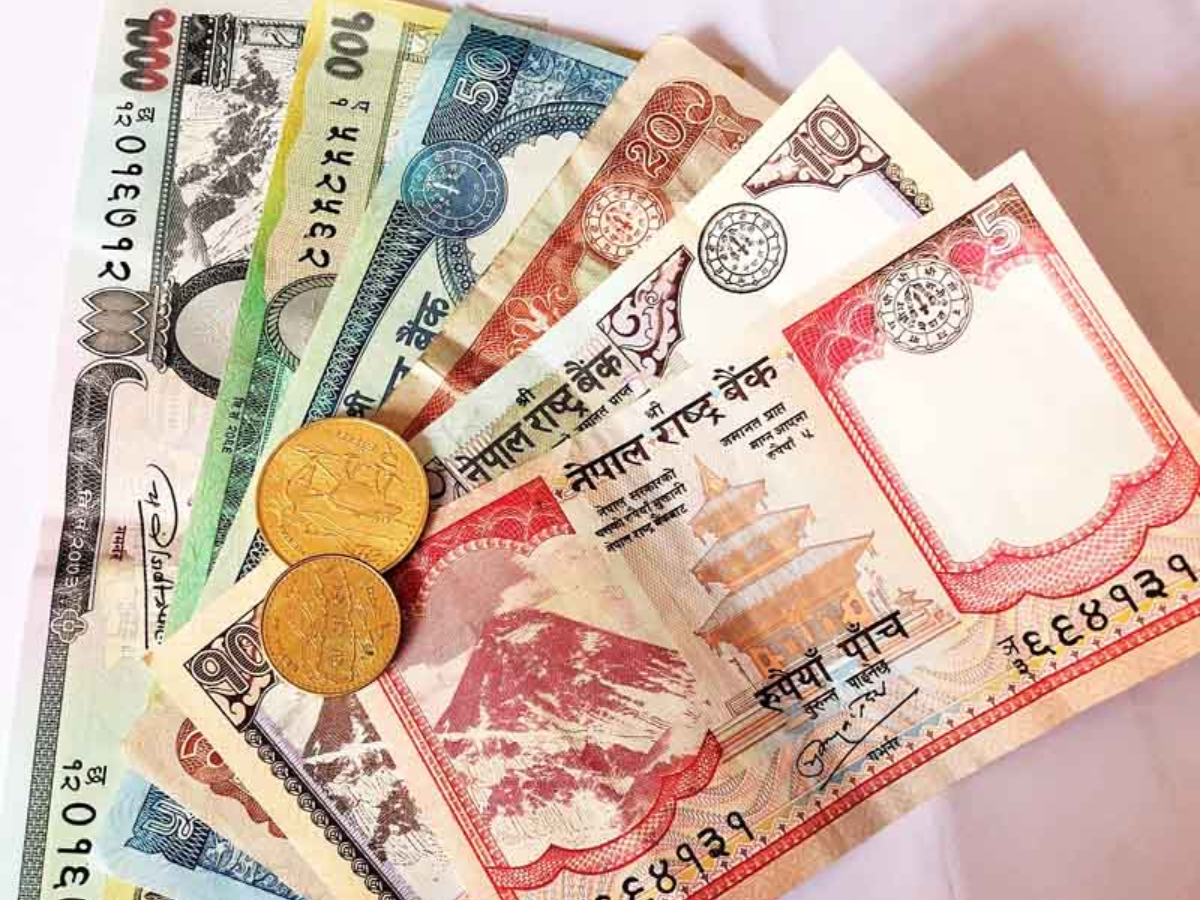
Nepal Prints Its Currency in China
India’s Neighbour Nepal, has depended on India to print its national currency for decades. Between 1945 and 1955, India’s Security Press in Nashik produced Nepalese banknotes. India continued to handle part of the printing work until 2015. The situation changed when Nepal decided to choose China for currency production.
The shift was not only due to lower costs but also linked to technical and political concerns. India’s refusal to print new notes showing disputed border regions pushed Nepal to look for another printing partner. China soon offered an affordable and advanced printing solution.
Nepal’s revised banknotes included Lipulekh, Limpiyadhura, and Kalapani — areas also claimed by India. Printing such notes in India became politically sensitive.
After India refused, Nepal searched for an alternative. A Chinese state-owned company came forward with modern technology, improved security, and reduced printing costs. The China Banknote Printing and Minting Corporation (CBPMC) won the contract and began printing Nepal’s currency.
The Nepal Rastra Bank later signed a fresh deal worth around $17 million with CBPMC to print 430 million pieces of 1,000-rupee notes, ensuring continued collaboration.
Currently, China prints all of Nepal’s banknotes through CBPMC. Nepal lacks the infrastructure to print large volumes of currency domestically, making it dependent on foreign facilities. China’s advanced printing technology, secure features, and cost-effective methods have made it a reliable partner.
CBPMC ensures strong protection against counterfeiting by using special inks and security designs. The Nepal Rastra Bank continues to depend on China to meet its printing needs, highlighting a major economic and political shift in regional cooperation since 2015.
Several Asian nations, including Bangladesh, Sri Lanka, Malaysia, Thailand, and Afghanistan, also rely on China for currency printing. Over the past ten years, China has quietly become the largest hub for printing banknotes for developing countries. Its expanding printing capacity, low production cost, and tight security systems have allowed it to dominate this global market.
Many governments prefer China’s efficiency and affordability over Western printing companies, making Beijing an important player in the financial operations of smaller Asian nations.
China’s strength lies in combining high technology with low cost. Its banknote presses include watermarks, holographic threads, and color-shifting inks to prevent fake currency. The CBPMC developed a special feature called “Colordance,” which creates shimmering waves and color shifts when a note is tilted.
This feature makes counterfeiting extremely difficult while keeping production costs low. China’s investment in such technology gives it a strong position in the competitive global printing industry.
Founded in 1948, the China Banknote Printing and Minting Corporation is a state-owned enterprise responsible for printing China’s currency as well as that of other countries. It operates several large printing units across China and employs thousands of skilled engineers and designers.
With its large-scale production capacity and secure facilities, CBPMC has become one of the world’s leading institutions in currency printing, handling global contracts and offering end-to-end printing services for several developing nations.
Only a few organisations worldwide print official currency. At the government level, China’s CBPMC, Japan’s National Printing Bureau (NPB), Russia’s Goznak, and the United States’ Bureau of Engraving and Printing lead this sector. In the private industry, Britain’s De La Rue, Germany’s Giesecke & Devrient, and France’s Oberthur dominate. These institutions control almost all global currency production. The competition among them is intense, but China’s growing efficiency and reach have helped it gain a stronger global presence.
Must Read: Donald Trump Urges Rep. Lauren Boebert To Withdraw Support For Epstein Files Release
Swastika Sruti is a Senior Sub Editor at NewsX Digital with 5 years of experience shaping stories that matter. She loves tracking politics- national and global trends, and never misses a chance to dig deeper into policies and developments. Passionate about what’s happening around us, she brings sharp insight and clarity to every piece she works on. When not curating news, she’s busy exploring what’s next in the world of public interest. You can reach her at [swastika.newsx@gmail.com]
Delhi NCR saw a sudden weather shift with strong winds, light rain, and dust storms,…
Israel has reportedly struck Iran’s South Pars gas field in a major escalation, targeting critical…
A 13-year-old girl in Ahilyanagar was attacked with acid while returning home from school.
