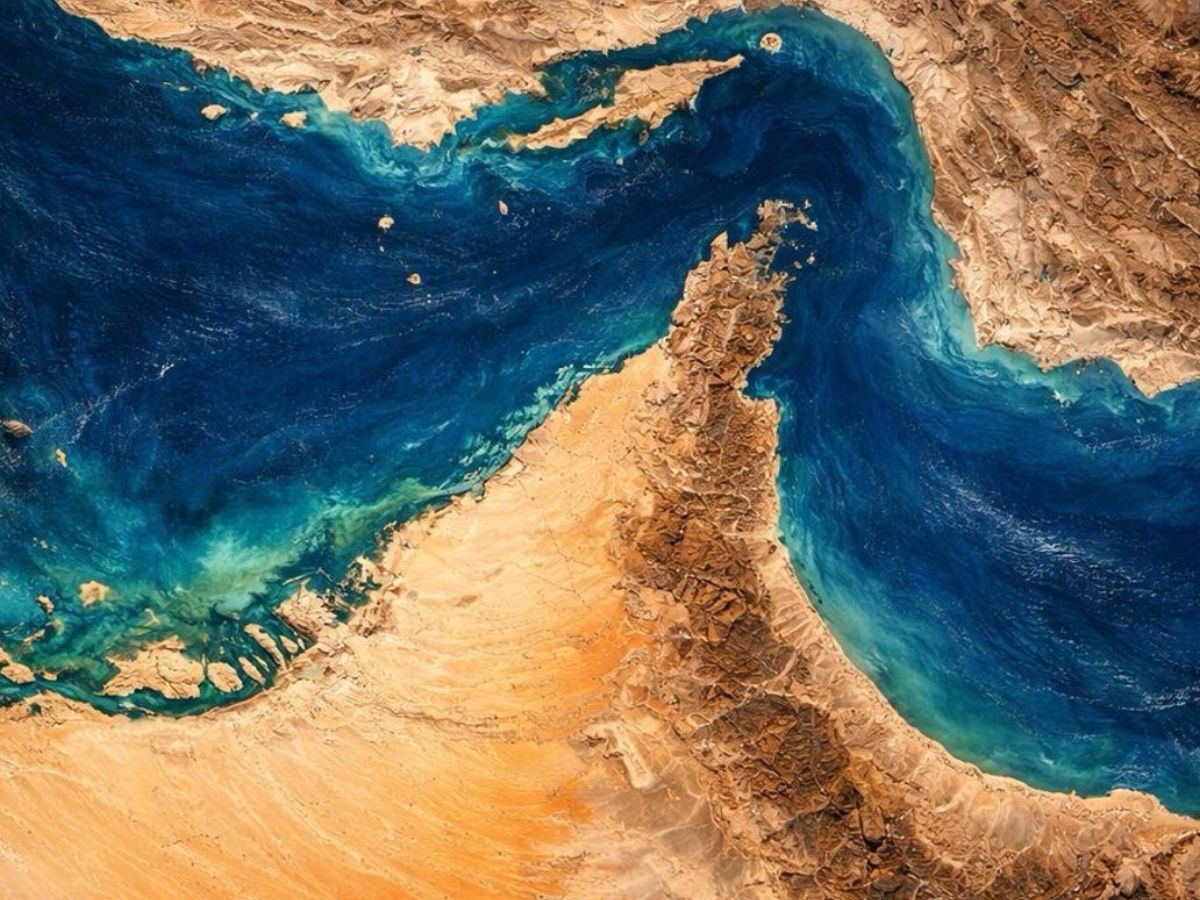
(Photo: X)
The reopening of the strategically important Strait of Hormuz is a significant challenge which Iran has to cope with, since it is said that it cannot find all the naval mines it has planted during the war. The New York Times reports that US officials indicate that Tehran does not have all the information about the location of most of the mines, making it hard to get normal maritime traffic through one of the most important oil passageways in the world.
The mines were planted in March through small boats, a short time after the tensions between Iran, United States and Israel started. These deployments, along with the threats of missiles and drones, effectively closed the shipping through the narrow waterway, through which a large portion of world oil flows. The impact of the disruption has already been felt widely with decreased movement of tankers and increased global energy prices. The nature of the mine-laying operation by Iran itself is one of the major challenges that the country is experiencing. The US officials termed the effort as a haphazard one whereby some of the mines were not recorded when they were deployed. The others might have been washed away by the currents of the sea, and thus even more difficult to trace. Consequently, the efforts by even Tehran to establish safe shipping routes are still scarce and unpredictable.
Even though Iran has opened a small channel to those ships that are ready to go through certain routes, sometimes with high demands, the reopening of the Strait is limited. According to experts, it is much more difficult to remove naval mines than to plant them because it involves special equipment and time. All the other regional actors as well as Iran are reportedly deficient in enough fast mine clearing forces, which further postpones the complete resumption of normal shipping. It has also become one of the focal points of continuing diplomatic endeavors.
The United States has been insisting on a re opening of the Strait in conditions of ceasefire, complete, immediate, and safe. Nevertheless, Iranian technical constraints, especially the incapacity of finding and defusing all mines, has become a major point of contention in negotiations, even going to the point of high level negotiations that are ongoing in Pakistan. In addition to the direct military and diplomatic issues, the crisis highlights the strategic significance of the Strait of Hormuz in the world. Any long term interference poses a threat to energy markets, international trade and stability in the region. As mines go unexplored and tensions remain, the world’s most vital oil choke point is given a temporary reprieve as it seems that in the near future a full reopening of the waterway is not possible.
Also Read: Trump Says Strait of Hormuz Will Reopen “Fairly Soon” Amid Ongoing Crisis
PSEB Class 8 Result 2026 Declared: Check Punjab Board 8th Result, Pass Percentage and Toppers
The Punjab School Education Board has announced the Class 8 board examination results for 2026.
US intelligence claims China may be preparing to secretly supply weapons to Iran amid ongoing…
Iran-US Talks Delayed In Pakistan: Tehran Not Ready To Meet JD Vance Team? Panic In Islamabad
High-stakes Iran–US peace talks in Islamabad have hit a temporary roadblock as Tehran pushes its…
