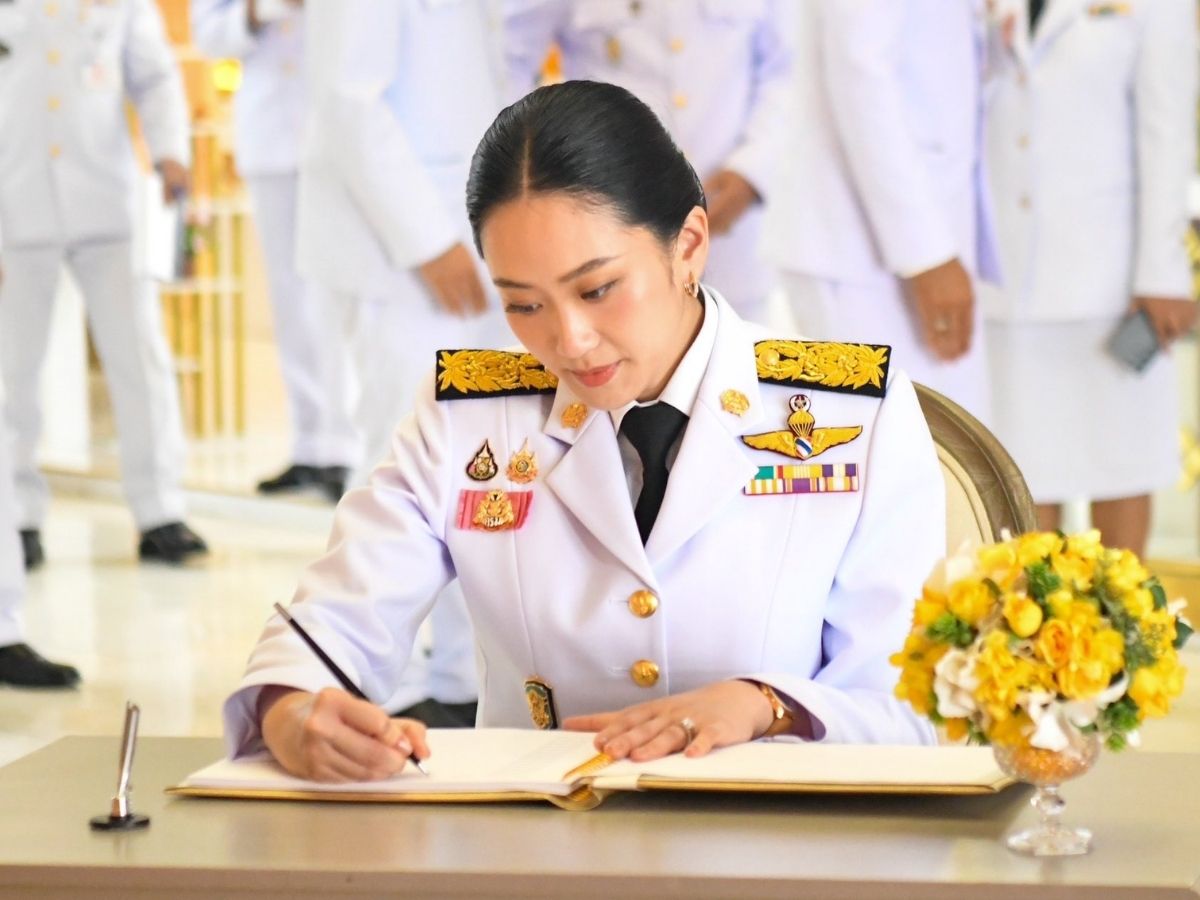
Thailand's PM Paetongtarn Shinawatra was dismissed for ethics violations. The caretaker government now faces political maneuvering as new leaders vie for power. (Photo: X/@ingshin)
Thailand Prime Minister Paetongtarn Shinawatra has been dismissed by the Constitutional Court after just one year in office due to an ethics violation in a decision that adds a fresh layer of uncertainty to a country already grappling with a fragile economy and political divisions, news agency Reuters reported on Friday.
Following Paetongtarn’s dismissal, Deputy Premier Phumtham Wechayachai and the current cabinet will continue in a caretaker role until a new prime minister is chosen by parliament, the report said. The timing for this vote depends on when the lower house convenes. A date in this regard is yet to be decided by the house speaker. Thai constitution does not specify a deadline for this.
Analysts believe this in turn opens the door for intense political maneuvering. Many expect Paetongtarn’s father and former Prime Minister Thaksin Shinawatra to play a key role. Thaksin, a billionaire and founder of the ruling Pheu Thai party, remains a powerful figure behind the scenes. However, with the ruling coalition holding a slim majority of only seven seats, any political shifts could significantly impact the party’s hold on power.
Before the 2023 election, five candidates were declared eligible. Since then, Pheu Thai has narrowed its candidates from three to just one: Chaikasem Nitisiri – 77-year-old former justice minister and attorney general known for keeping a low profile. He has expressed willingness to lead.
Other likely contenders include 58-year-old Anutin Charnvirakul, former interior minister and deputy premier, whose Bhumjaithai party left the coalition in June. The current Energy Minister Pirapan Salirathavibhaga, former deputy prime minister Jurin Laksanawisit, and ex-premier Prayuth Chan-ocha (a retired general and royal adviser), also remain eligible, per Reuters.
According to the report, a candidate must secure endorsements from at least 50 lawmakers to be nominated for the role. After nomination, the chosen individual needs the support of a majority of the 492-seat lower house — 247 votes — to become prime minister. In case wherein no candidate secures the majority, the process repeats indefinitely until someone is selected.
Pheu Thai’s ability to keep the premiership through Chaikasem depends heavily on Thaksin Shinawatra’s relationship with Thailand’s conservative establishment, analysts say.
Reports suggest the group has a fraught history with Thaksin and if the latter’s influence weakens, it could trigger early elections and boost the People’s Party – a popular opposition with a reformist agenda that challenges conservative and military interests.
While Chaikasem could serve as a temporary solution, his limited political experience could hinder his ability to implement reforms or revive the struggling economy, political analysts say.
Alternatively, Anutin could become PM if he wins backing from both his former coalition and the People’s Party, which has reportedly favoured an early election. Another scenario is a political compromise reinstating Prayuth Chan-ocha, who would then be required to work with his political rivals in Pheu Thai.
Iran To Boycott USA But Not FIFA World Cup 2026, Football President Confirms
Iran will boycott the USA but not the FIFA World Cup 2026. FA President Mehdi…
Iran proposes tolls on ships crossing the Strait of Hormuz, framing it as a security…
Aston Villa vs Lille Live Streaming: Where to Watch Europa League match on TV and Online In India?
Check out the Live Streaming and Telecast details of Aston Villa vs Lille Europa League…
