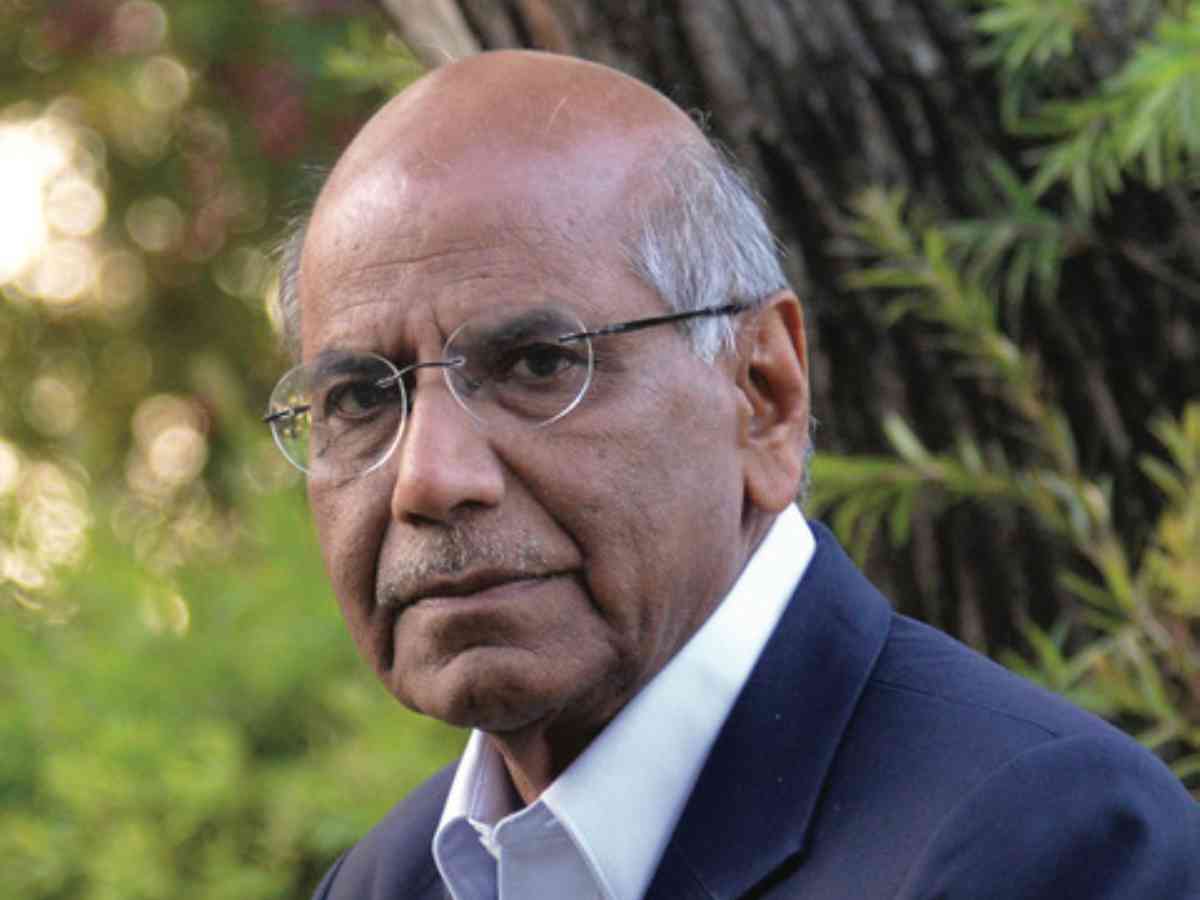
Speaking with NewsX Editorial Director Priya Sahgal, Shyam Saran, former Foreign Secretary of India, laid out a blunt assessment of today’s global geopolitical climate. “There is no new Global World Order,” he said. “All laws have been thrown out of the window.”
Saran described how major powers, including the United States, are acting purely on self-interest. “They are as transactional as anyone can get,” he noted. In this landscape, traditional diplomacy and long-standing norms have given way to chaotic power plays.
On the worsening situation between Israel and Iran, Saran emphasized that Israel’s motivations go beyond toppling regimes. “I don’t think Israel is worried about regime change. They are not worried about the day after,” he said. According to him, Israel seems prepared to live with the chaos it’s creating. “I don’t think Israelis are concerned about the chaos.”
Saran was clear that the conflict is not being driven by any one reason. “I don’t think there is just one factor,” he said. However, he highlighted that Israel is operating from a position of strength, and wouldn’t have launched such aggressive military actions without clear support. “Israel wouldn’t have taken this step without a go-ahead from the U.S,” he asserted.
He also noted the weakening position of Iran. “Never has Iran been in this weak state,” Saran said. While the Houthis attempted to extend their influence in the region, “The Houthis have not been able to carry forward their campaign.”
Citing recent developments, Saran pointed to international complicity. “You saw the G-7 statement,” he said, referring to the Western bloc’s diplomatic backing of Israel’s actions. This, he explained, signals that there is no international pushback significant enough to stop the war.
“Israel is showing no signs that it is going to stop. The U.S. has shown no inclination that encourages that the war will stop,” he said.
He warned that while Israel may feel invincible right now, the long-term damage could be far-reaching. “Israel may not be worried about the morning after—but it will have global consequences.”
Saran also drew historical parallels to explain recent U.S. overtures toward Pakistan. “I can see the logic of U.S. reaching out to Pak. In 1972, U.S. reached out to China,” he said, suggesting that Washington is attempting to rebalance its regional alliances in light of changing power dynamics.
He acknowledged that India’s strategic ties with the U.S. remain crucial. “We value the strategic partnership we’ve with U.S,” he said, but also added that India must step up on its own.
According to Saran, India has a responsibility to stabilize the region, starting with its own neighbourhood. “It is important for India to be a security provider for the region,” he said. “Neighbourhood first policy should be put into practice.”
He advised that New Delhi shouldn’t hesitate to re-engage with its immediate neighbours. “There’s no harm in reaching out to neighbours,” he said, clarifying, “I am not criticising the government,” but advocating for a more active diplomatic role.
No End in Sight for Russia-Ukraine War
When the conversation turned to the Russia-Ukraine conflict, Saran was equally stark in his assessment. “I don’t see any sign that Russia-Ukraine war will end soon,” he said. “Russians feel that they are in a strong position. Ukraine is not in a good position.”
Adding another layer to the complexity, he pointed out that “There are these uncertainties about modern warfare,” with rapidly shifting military capabilities and strategies on both sides.
And critically, the United States is no longer a mere bystander. “U.S. is also a participant,” Saran concluded, underlining that Washington’s direct involvement further complicates the possibility of a peaceful resolution.
From the Middle East to Eastern Europe, the world is dealing with violent realignments, rising unpredictability, and a serious erosion of diplomatic norms.
JAKSON Group Partners with Sourav Ganguly to Champion a Sustainable Future
Mr. Sameer Gupta: Chairman, Jakson Group with Brand Ambassador Mr Sourav Ganguly at Jakson Group…
Is Leander Paes Joining BJP? Meeting With Bengal BJP Chief Ahead of State Elections Sparks Buzz
Fresh buzz about tennis legend Leander Paes possibly stepping into active politics in West Bengal…
The untimely demise of Harshil Kalia has left both her fans and the entertainment industry…
