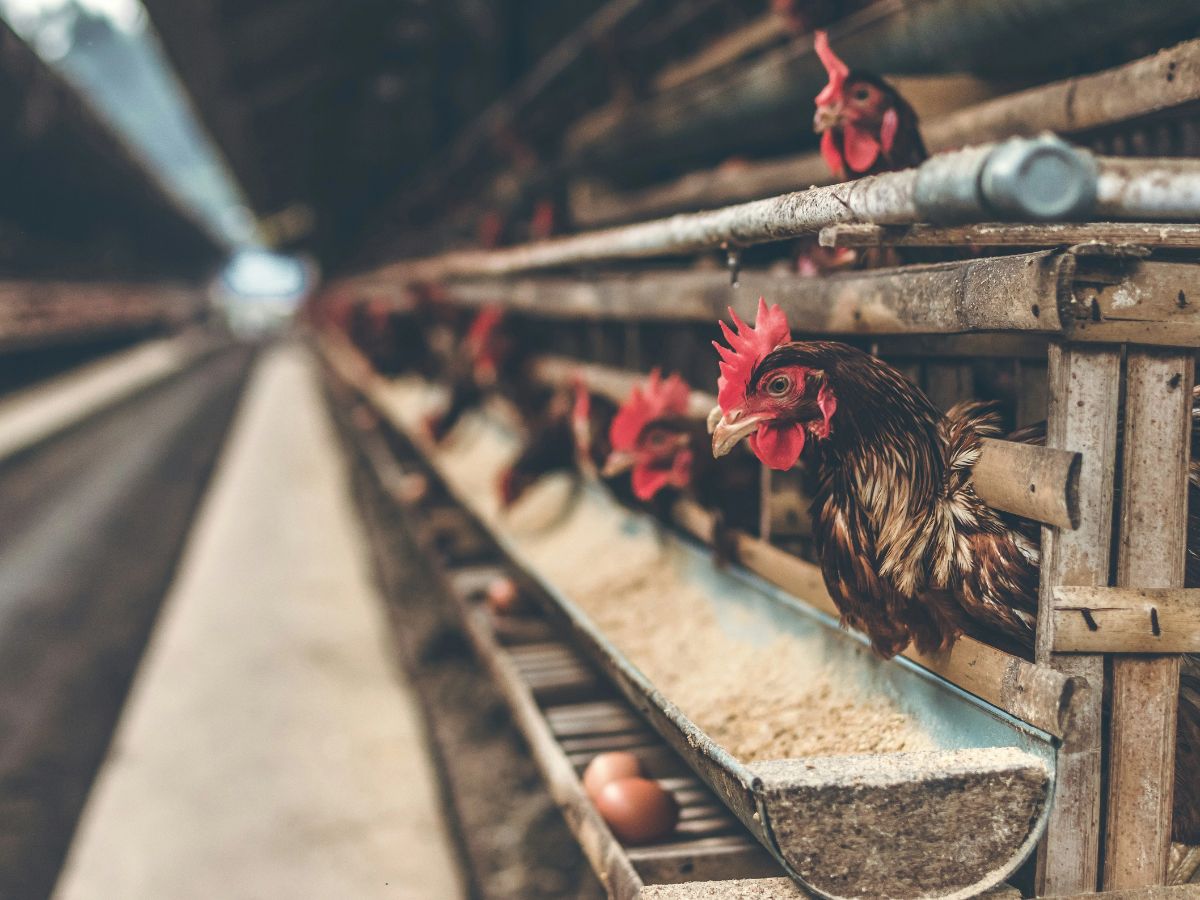
First-Ever Human Case of H5N5 Bird Flu Detected in US. (Representative Image: Unsplash)
A Washington state resident has become the first known human to contract the H5N5 bird flu strain, a variant previously found only in animals, according to the New York Post. The individual who was described as “severely ill” was admitted to the hospital earlier this month with high fever, confusion, and severe breathing problems.
The man was infected with H5N5, a type of avian influenza typically carried by wild birds such as ducks and geese. As per the Centers for Disease Control and Prevention (CDC), the virus typically infects birds. These viruses are naturally found in wild aquatic birds, which act as reservoirs. The Washington State Department of Health stated that the patient, an older adult with existing health issues, was hospitalized in early November with symptoms consistent with bird flu.
The first human case of the H5N5 bird flu was reported since February, involving a resident of Washington state. According to health officials, the man kept a ‘mixed backyard flock of domestic poultry’ at his home in Grays Harbor County, located along the state’s southwest Pacific coast.
The Washington State Department of Health said that either his poultry or nearby wild birds were the most probable sources of exposure, though the investigation is still underway.
The symptoms of the H5N5 virus can vary widely from no symptoms at all to extremely serious illness. According to Johns Hopkins Medicine, typical signs include fever, cough, sore throat, difficulty breathing, tiredness, muscle pain, and sometimes stomach-related issues such as vomiting or diarrhea. Eye infections (conjunctivitis) have also been observed. In more severe cases, the Pan American Health Organization notes that the infection can progress to pneumonia, acute respiratory distress, or even death.
Stay away from sick or dead birds, wear proper protection, such as masks and gloves, when handling poultry or cleaning coops. Avoid consuming raw or undercooked poultry, meat, eggs, or unpasteurized milk from potentially infected animals. Public health authorities also stress the importance of continuous monitoring and quick identification of any new human cases.
According to the World Health Organization, the virus can spread through droplets, dust, or by touching contaminated surfaces and then touching the eyes, nose, or mouth. Humans usually become infected after close, unprotected exposure to sick birds or contaminated areas such as poultry farms and live bird markets.
Manisha Chauhan is a passionate journalist with 3 years of experience in the media industry, covering everything from trending entertainment buzz and celebrity spotlights to thought-provoking book reviews and practical health tips. Known for blending fresh perspectives with reader-friendly writing, she creates content that informs, entertains, and inspires. When she’s not chasing the next viral story, you’ll find her diving into a good book or exploring new wellness trends.
Veteran actress Navnindra Behl passed away at the age of 76. On March 16, her…
The Bharatiya Janata Party has released its first list of 47 candidates for the Kerala…
An Indian LPG carrier, Shivalik, carrying about 40,000 metric tonnes of liquefied petroleum gas, reached…
