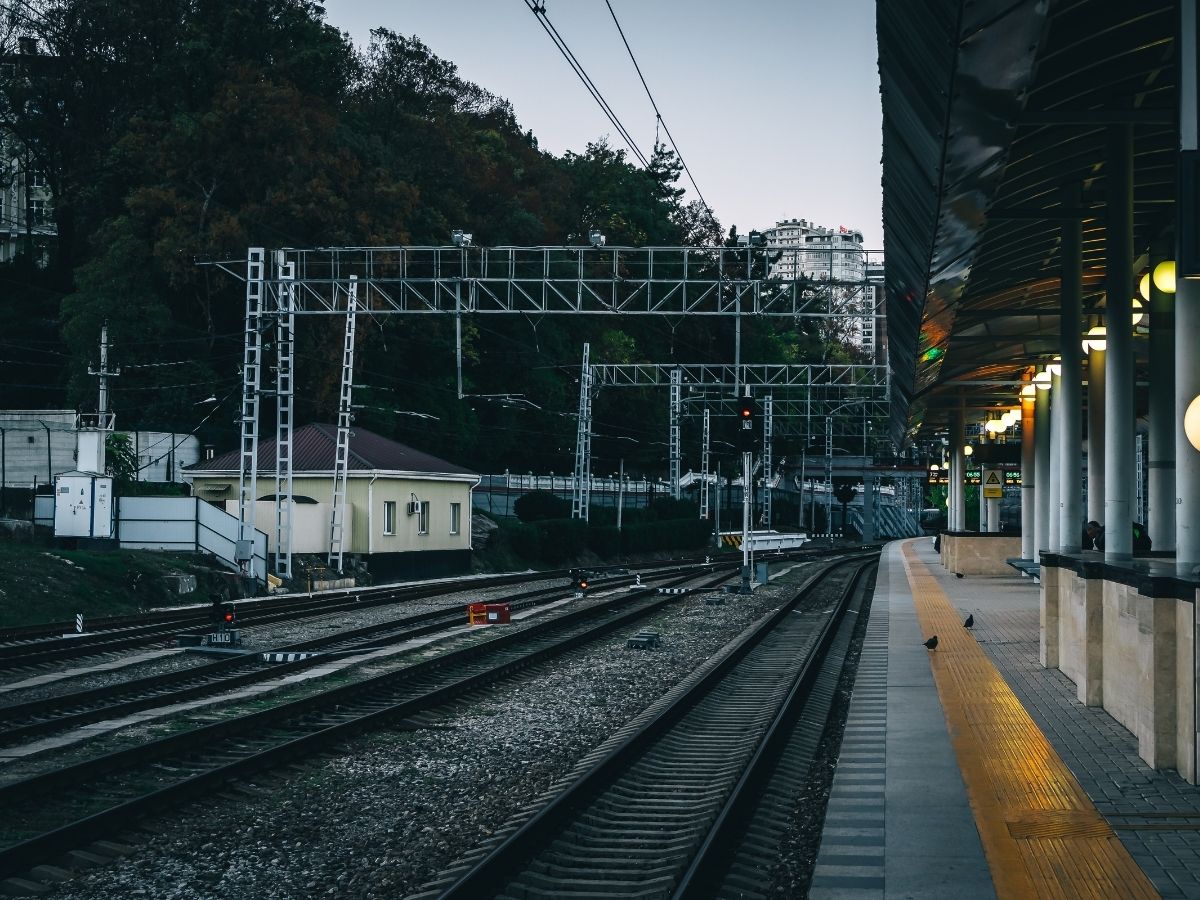
US lawmakers and rail unions are opposing a plan to cut human track safety inspections by 75%, warning automation may miss critical hazards despite industry claims. (Photo: Canva image used for representation only)
The US railroad industry is facing pushback over a proposal that aims to reduce human track safety inspections by 75%, replacing them with automated systems, news agency Reuters reported on Monday. In April, the Association of American Railroads (AAR) requested a waiver from the Federal Railroad Administration (FRA) to allow the use of Track Geometry Measurement Systems (TGMS) — devices mounted on rail cars that detect warped or misaligned tracks. If approved, inspections would drop from twice per week to just twice per month, the report said.
Labor unions and lawmakers have voiced concerns, with president of the Brotherhood of Maintenance of Way Employees Division (BMWED) Tony Cardwell arguing that TGMS only covers about 25% of potential track issues. Unlike technology-oriented process, human inspectors can spot problems like broken ties and water damage early.
“Track geometry is the end result of a defect, not the cause of a defect,“ Cardwell told Reuters.
Following a 2021 derailment that reportedly killed three Amtrak passengers, a government report confirmed that automated systems miss many of the hazards human inspectors can catch, the report said.
According to the report, a coalition of Democratic senators — led by Maria Cantwell and Democratic leaders in the House — are urging the FRA to reject the waiver. Kansas Governor Laura Kelly, who’s been responsible for overseeing over 4,000 miles of railroad, told the news agency that automated track inspections “should not cut human track inspection at the expense of putting public safety at risk.”
The AAR, for its part, has contended that combining technology with inspections boosts efficiency without compromising safety. Michael Rush, AAR‘s senior Vice President for safety and operations, defended the proposal, reportedly said, “Layering technology on top of redundant and unnecessary, old ways of conducting inspections is not a way to make an industry competitive“.
Major American freight rail carriers including Union Pacific, Norfolk Southern and the BNSF, along with trade associations, have backed the plan, the report said, adding that the FRA has yet to issue a ruling to this effect.
While train derailments in America have reportedly decreased over the past two decades, there are still at least three such cases per day in the US Past incidents — like the 2023 East Palestine derailment and the 2021 Amtrak disaster — that underscore the risks associated with over-relying on tech-based inspections.
ALSO READ: Kilmar Abrego Was Wrongfully Deported Once, Now US Wants To Send Him Somewhere Even More Dangerous
Bihar DCECE 2026 Registration Open, Check Eligibility, Steps To Apply
The Bihar Combined Entrance Competitive Examination Board (BCECEB) has published the notification for Bihar DCECE…
Unidentified drones were seen flying over Fort Lesley J. McNair, a sensitive US military base…
One of the biggest pre-release rumours was about Yami Gautam making a cameo, which has…
