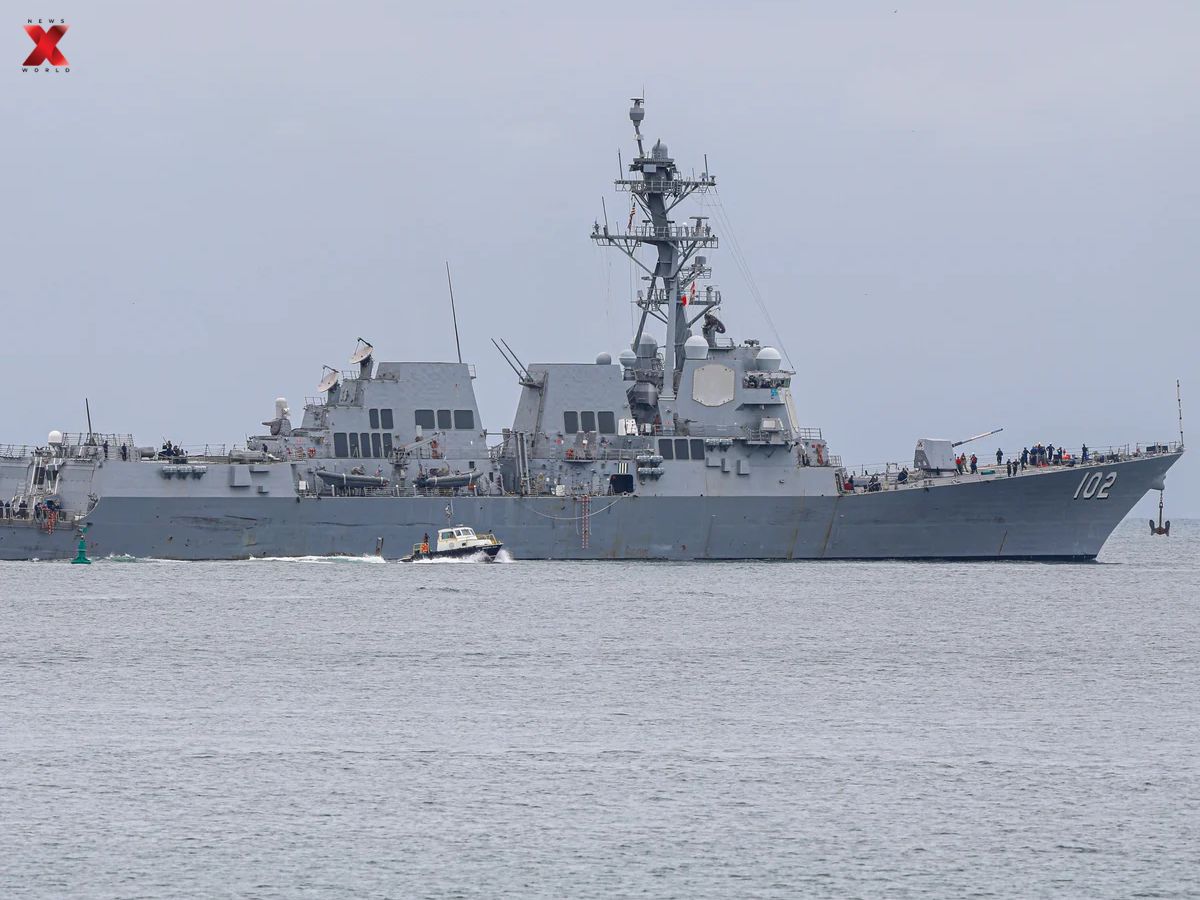
US Military Strike in Eastern Pacific Kills Two, One Survivor, Targeting Suspected Drug-Smuggling Vessel
The U.S. military operation in the Eastern Pacific resulted in two military deaths and one survivor who crashed a ship which authorities suspected of drug trafficking. The U.S. Southern Command confirmed the incident occurred on Thursday, March 19, 2026, after identifying a “low-profile vessel” that was operating in areas used by drug traffickers.
The U.S. Coast Guard started a search and rescue mission after the kinetic strike caused the vessel to catch fire which led to their recovery of both deceased individuals and one survivor who staff members transferred to Costa Rican authorities.
The administration maintains its strong campaign against organizations which it designates as “narcoterrorist” groups because the operation increased the total maritime interception deaths to 159 since the conflict began in late 2025.
The U.S. military now conducts active attacks against ships that authorities suspect of transporting illegal goods because the current “armed conflict” framework forbids traditional interdiction methods.
The administration justifies these lethal measures by designating cartels and smuggling groups as narcoterrorist entities, arguing that the flow of synthetic drugs represents a direct national security threat. U.S. Southern Command has conducted more than 40 confirmed operations in the Caribbean and Eastern Pacific since September 2023.
Officials assert that intelligence demonstrates these vessels link to “Designated Terrorist Organizations,” but critics point out that no public proof exists to show what cargo the destroyed ships actually carried.
The employment of deadly weapons against sea-based targets has generated major discussions about whether such operations comply with international legal standards.
The administration considers the strikes essential for reducing fatal overdoses, which occur throughout the United States, while human rights advocates and legal experts express their objections to the move away from standard law enforcement procedures.
The activists believe that maritime strikes will not succeed in solving the fentanyl crisis because drug traffickers mainly deliver high-potency synthetic drugs through land routes originating from Mexico.
The United States maintains its military partnerships in the region despite existing concerns about regional security threats, which have expanded to cover South American border areas.
A recent media graduate, Bhumi Vashisht is currently making a significant contribution as a committed content writer. She brings new ideas to the media sector and is an expert at creating strategic content and captivating tales, having working in the field from past four months.
On March 20, 2026, Delhi experienced its coldest March day in six years, with temperatures…
US President Donald Trump ruled out a ceasefire with Iran, emphasizing military priorities. He outlined…
Raymond Group Chairman Gautam Singhania suffered minor injuries in a Maldives speedboat accident on March…
