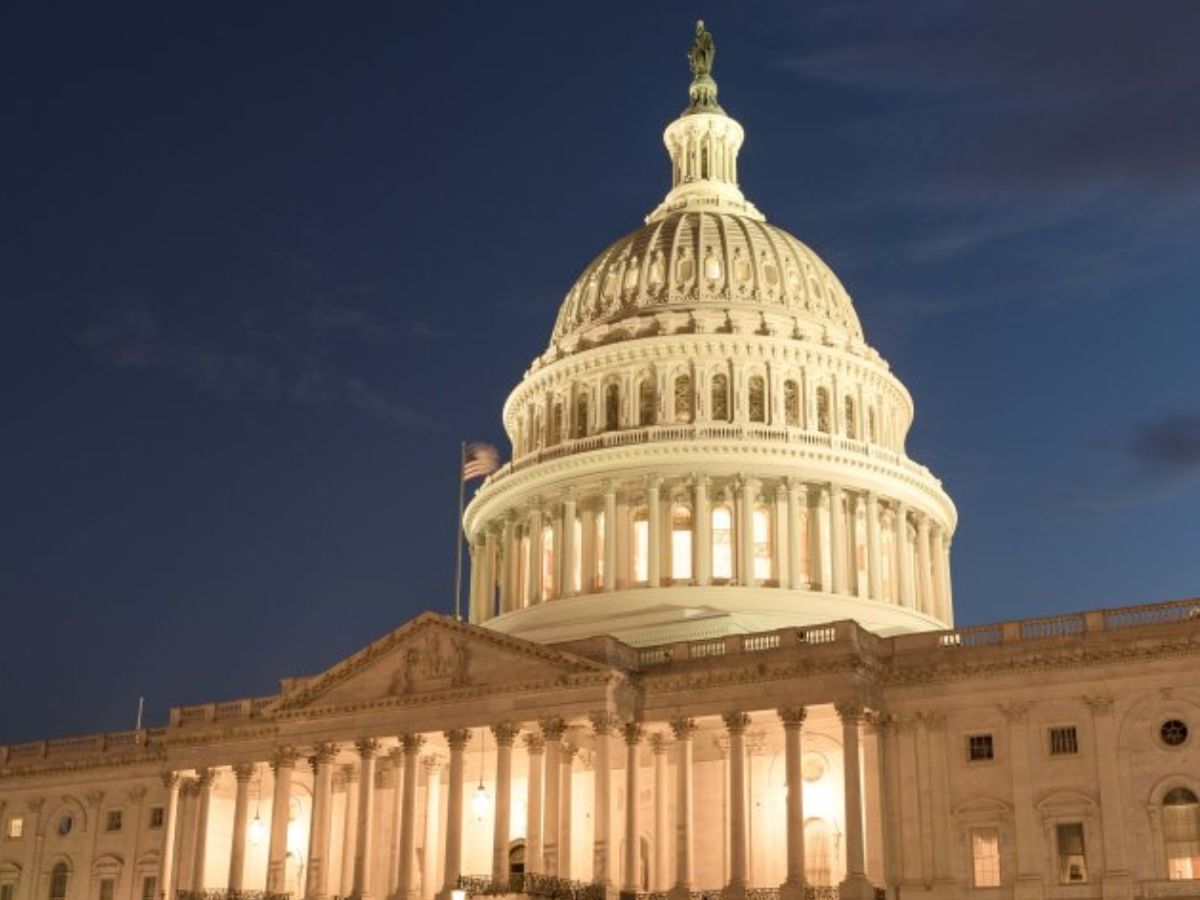
US Senate Ends Trump’s Tariffs on Brazil, Reclaims Trade Authority (Pc: X)
On Tuesday, legislation to revoke President Donald Trump’s tariffs on Brazil by ending the national emergency he declared in July in response to Brazil’s prosecution of its former president, Jair Bolsonaro, for alleged coup attempt was passed by the Republican-led United States Senate.
The bipartisan measure aims at rolling back billions on Brazilian goods tariffs imposed by the Trump administration and passed in the U.S. Senate. This vote follows public concern over executive overreach and concern for economic harm that specific mention is made of the aforementioned tariffs of 50% under the International Emergency Economic Powers Act (IEEPA).
Both sides of the aisle criticized the tariffs, which were linked to legal actions undertaken by Brazil against a former Trump loyalist, as an executive abuse of power, illegally usurped Congress’s control over trade. Now this resolution sends a strong message from the legislature regarding the use of trade policy in response to political retaliations, although its future is uncertain in the light of a probable presidential veto and procedural hurdles in the House.
This Senate action confidently reasserts the Congressional Authority over U.S. trade policy. Senators from both side of the aisle feel that the President’s use of an IEEPA-declared “national emergency” in imposing tariffs was an unconstitutional expansion of executive power.
Supporters of the measure claim that only Congress has the constitutional authority to “lay and collect Duties, Imposts, and Excises,” hence, all unilateral tariffs imposed on political grounds can be considered unlawful.
The intent is to set a precedent that decisions affecting trade policy must be made in terms of American economic interests, not based on personal or political vendettas.
The resounding tangible Economic Ripple Effects on American consumers and businesses are propelling support for the resolution. Brazil being a major originator of commodities, products such as coffee, orange juice, and beef have all witnessed hefty price hikes in the wake of the 50% charge.
American annual imports from Brazil exceed $40 billion, and that trade gives rise to over 130,000 jobs within the United States. Repealing these duties will expectedly reduce the spoiling costs for consumers, ease the pressure on small enterprises, and buoy a vital economic relationship, presently enjoying dividends in favor of the U.S. with a trade surplus.
Also Read: Fire Erupts In Abu Dhabi’s Mussafah Zone, Swift Action Prevents Tragedy, No Casualties Reported
A recent media graduate, Bhumi Vashisht is currently making a significant contribution as a committed content writer. She brings new ideas to the media sector and is an expert at creating strategic content and captivating tales, having working in the field from past four months.
A high-speed Instagram reel stunt ended in tragedy in Gujarat’s Rajkot when 20-year-old Avadh Tiwari…
Subhankar Sarkar, president of the West Bengal Pradesh Congress Committee, is a veteran Indian National…
Despite a hundred from Salman Ali Agha, Bangladesh managed to bowl out Pakistan for 279…
