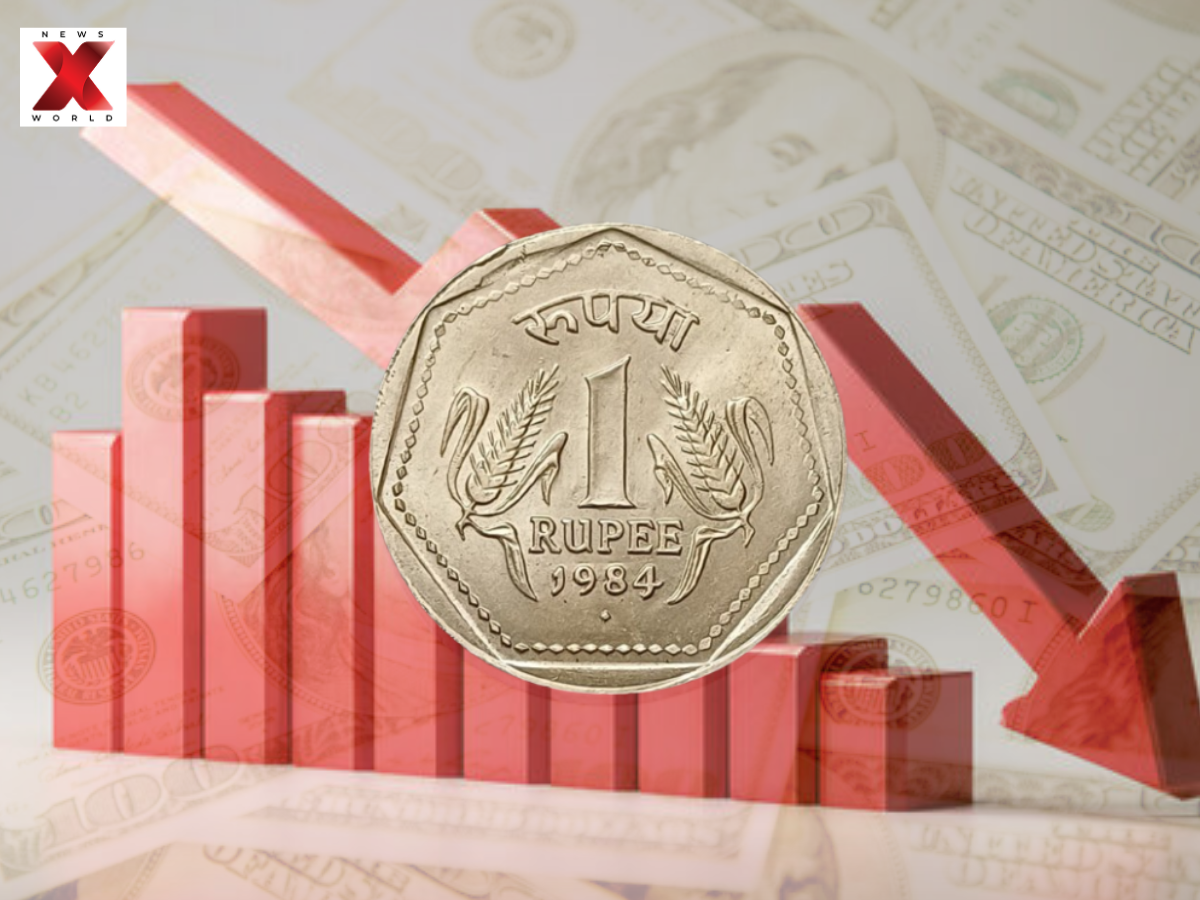
Indian Rupee Breaking 91 Points Against US Dollar: Historic Intra-Day Fall
In what can be termed an unprecedented action that has shocked markets, the Indian rupee has crossed the 91-per-dollar mark on Tuesday, December 16, 2025, with an intra-day low of 91.07 rupees. Over the last 10 trading sessions, the currency has continued to fall below the 90-mark, and this is one of the worst and fastest depreciations ever experienced in the Indian foreign exchange market.
This drastic collapse has caused all financial circles to shudder, with alarming increases in import prices, inflation, and a possible squeeze on corporate income. The joint effect of continuous foreign investor outflows, high demand for dollars, and increasing uncertainty in global trade is being termed by analysts as a historic red-alert moment for the rupee.
Although the RBI has reportedly intervened in the spot and non-deliverable forward (NDF) markets, the currency keeps falling, making experts inquire whether the rupee is indeed experiencing a structural turnaround like never before.
You Might Be Interested In
Why The Rupee Just Shocked Everyone
1 – FII Outflows Hit Hard
The main culprit behind the fall. The Indian rupee has just fallen past the 91-per-dollar mark, and among the greatest culprits are the Foreign Institutional Investors (FIIs).
These international money movers, long-time cheerleaders of the rupee, are now hitting the exit button. Rising interest rates in the US, worries of reduced growth, and geopolitical nervousness have scared them.
The result? The currency is plummeting like a rocket that has fallen mid-flight, and there is a sudden shortage of dollars in the domestic market.
2 – India-US Trade Talks: Waiting Game That Is Weakening the Rupee
India-US trade negotiations are making investors anxious, even as the FII exodus continues. Nobody is sure of the ultimate terms of the deal, and the markets are not fond of guessing games.
Will exports suffer? Will foreign funds drain further? The rupee does not thrive on suspense, it acts fast, and it is acting badly right now. Any positive news, even minor, will give it a breather, yet delays or unwelcome news will only keep the pressure cooker on.
3 – Dollar Demand: The Tug-of-War Of The Invisible
Meanwhile, Indian importers are scrambling for dollars, not only for crude oil but also electronics, resulting in a structural squeeze. The greenback gains strength with every dollar they purchase, weakening the rupee. Brace yourself: until global oil prices stabilize or exports bring in more dollars, the rupee might continue this headlong descent.
In brief, it is a perfect storm: FII outflows, trade uncertainty, and relentless dollar demand. The rupee is not only depreciating, it is hitting historic lows and sending shockwaves through markets. Do not lose sight of your wallets; this is no joke.
Implications Of The Rupee Depreciation
The depreciating rupee has extensive implications for several industries:
- Imports: Increased import bills, particularly for crude oil, electronics, and machinery.
- Exports: Potentially positive for exporters, as a weaker rupee makes Indian products more competitive in the international market.
- Inflation: It may also lead to a rise in imported inflation, increasing costs for consumers.
- Corporate Earnings: Firms with large foreign currency exposures may experience higher costs and pressure on profit margins.
- Investor Sentiment: Continued depreciation could trigger further FII outflows, creating a cycle of additional pressure on the rupee.
Market Outlook
| Section |
Details |
| Market Outlook |
Market experts remain cautious in the near term. Some see the rupee correction as temporary, while others warn sustained pressure may continue until global and domestic factors stabilize. |
| Key Indicators to Watch |
– Progress in India-US trade negotiations
– FII flows into equities and debt markets
– Crude oil prices and global commodity trends
– RBI intervention strategies and monetary policy decisions |
| Conclusion |
The rupee breaching the 91-mark against the US dollar is a historic moment reflecting broader global and domestic challenges. Short-term volatility may continue, but structural measures and timely policy actions could provide medium-term stability. |
(This article has inputs from analyst copies, experts outputs and agency)
Also Read: Weaker Rupee Impacts Indian Exports Unevenly: Winners, Losers, And Limited Gains
Aishwarya is a journalism graduate with over three years of experience thriving in the buzzing corporate media world. She’s got a knack for decoding business news, tracking the twists and turns of the stock market, covering the masala of the entertainment world, and sometimes her stories come with just the right sprinkle of political commentary. She has worked with several organizations, interned at ZEE and gained professional skills at TV9 and News24, And now is learning and writing at NewsX, she’s no stranger to the newsroom hustle. Her storytelling style is fast-paced, creative, and perfectly tailored to connect with both the platform and its audience. Moto: Approaching every story from the reader’s point of view, backing up her insights with solid facts.
Always bold with her opinions, she also never misses the chance to weave in expert voices, keeping things balanced and insightful. In short, Aishwarya brings a fresh, sharp, and fact-driven voice to every story she touches.