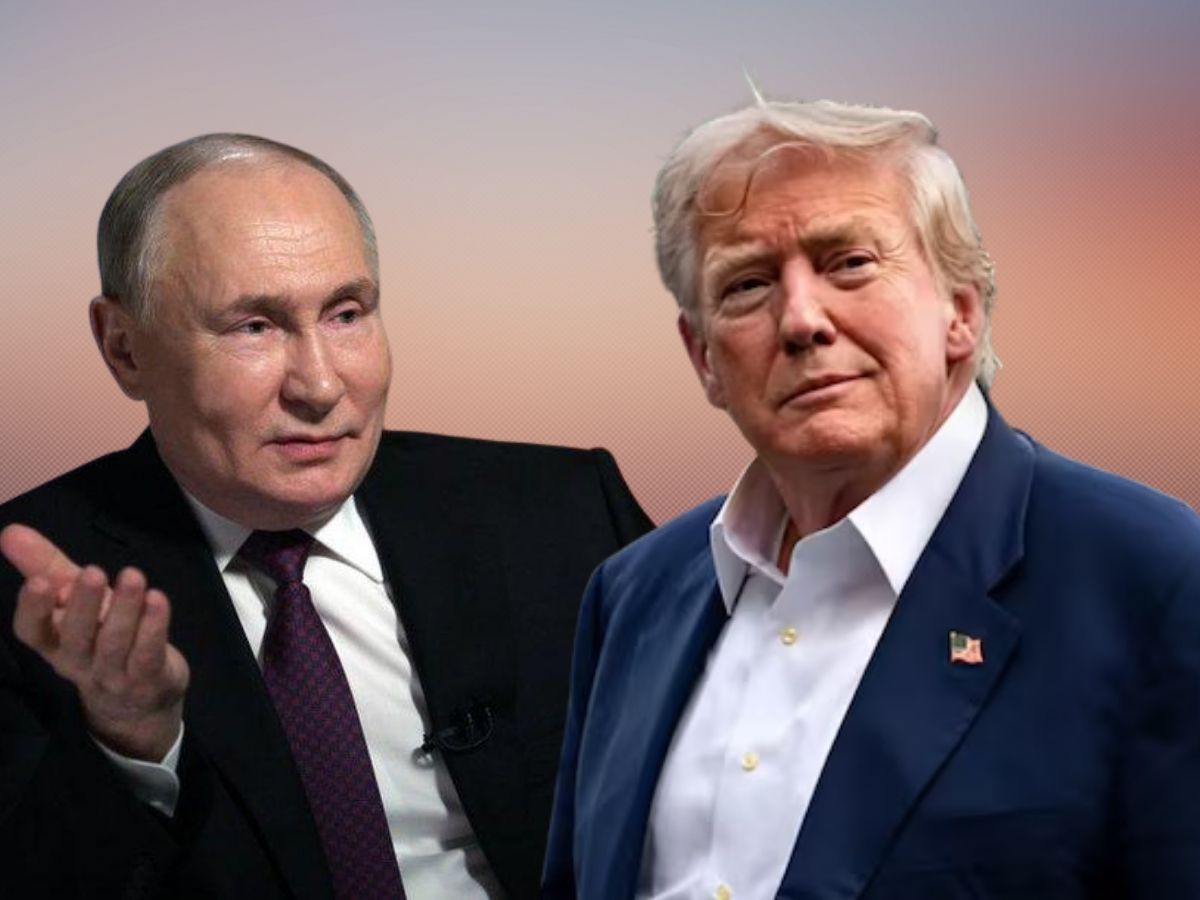
India faces steep 50% US tariffs tied to the country's Russian oil imports. The Trump-Putin meet could determine whether these escalate further or ease, impacting trade and geopolitics. (Photo: Canva modified X images)
US Treasury Secretary Scott Bessent recently warned that if the high-stakes meeting between President Donald Trump and Russian leader Vladimir Putin in Alaska’s Anchorage fails to move the needle on Ukraine peace, the 25% “secondary tariffs” targetting India (over and above the existing 25% levies) could rise further.
“We put a secondary tariff on Indians for buying Russian oil, and … if things don’t go well … sanctions or secondary tariffs could go up,” Bessent told Bloomberg TV as he pressed the European Union (EU) allies to back similar sanctions, Reuters reported.
The doubling of American tariffs to 50% is poised to hurt export-heavy industries incluuding textiles, jewellery making, and pharmaceuticals. Trade experts have warned of up to a 60% decline in US-bound exports, potentially shaving nearly one percent off GDP, reports suggest.
US-India trade talks now appear to have hit the pause for the time being, with American delegation not expected for negotiations until late August. Prime Minister Narendra Modi has insisted on protecting Indian farmers and the country’s dairy sector.
India’s energy needs led to a spike in oil imports from Russia — from three percent in 2021 to 35–40% in 2024 — thereby leading to seemingly increasing tension with Washington, the BBC reported. Meanwhile, New Delhi has strongly defended the choice, saying the structure in place keeps fuel affordable amid global volatility.
Foreign policy analysts, meanwhile, are viewing an opportunity in a thaw as they believe that a normalised US–Russia relationship could ease pressure on India and effectively allow New Delhi to focus on development. Experts, however, have cautioned that India must secure long-term deals even as the country deepens ties with the West, Reuters report stated.
Observers say that a once-warm and cordial Trump–Modi alliance could be on the verge of fray. The American President’s tariff ramp-up on India, experts say, appears to have introduced political risk at home, pushing top officials to balance domestic interest with external pressure.
According to analysts quoted by The Washington Post, rising tensions may push New Delhi closer toward BRICS nations, even as structural ties with the West remain key to India’s future growth.
The Anchorage talks may prove more symbolic than substantive. Without EU participation or broader sanctions alignment, Trump’s leverage appears to be limited. Analysts have warned that even if tempers cool, lingering trade disruptions may outlast any detente, per Reuters.
Iran's Sports Minister Ahmad Donyamali confirmed Iran will not participate in the FIFA World Cup…
Neena Gupta laughed off viral rumours claiming she was pregnant at 66 after photos from…
IPL 2026 will begin on March 28 with Royal Challengers Bengaluru facing Sunrisers Hyderabad at…
