
For the 2026–27 academic session, children must be three years old for nursery, four years for kindergarten (KG), and five years for Class 1, with age eligibility calculated as of March 31, 2026.
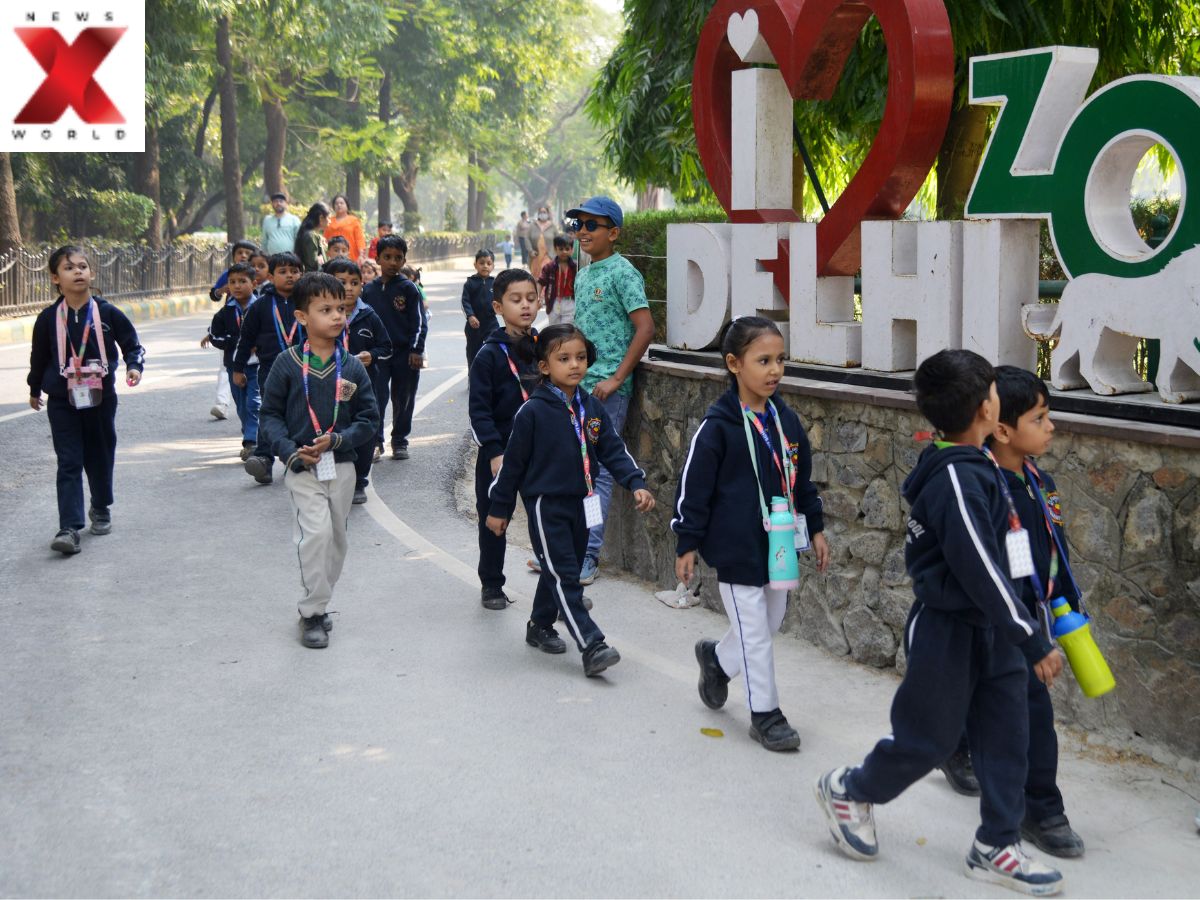
Delhi Nursery School Admission 2026-2027 (Photo: ANI)
Private schools across Delhi have published the second merit list for nursery admissions for the 2026–27 academic year, offering a renewed opportunity to parents whose children were not selected in the first round. With demand continuing to far exceed available seats, the final phase of admissions is expected to conclude in early March.
More than 1,700 private schools released their second selection and waiting lists on February 9, underlining the intense competition for nursery seats across the capital.
Parents and guardians whose children feature in the second merit list are required to visit the allotted school between February 10 and February 16 to complete admission formalities.
Schools have cautioned that failure to report within this window could lead to cancellation of the allotted seat, which may then be offered to candidates on the waiting list.
Schools are verifying documents and completing admissions strictly as per the guidelines issued by the Directorate of Education (DoE).
Despite the release of the second list, waiting lists remain unusually lengthy at several well-known schools. Institutions in areas such as Rohini, South Delhi, and Delhi Cantonment have reported hundreds of applicants competing for a limited number of seats.
Education officials said the extended waiting lists suggest that a large number of admissions may be finalised only in the last round, scheduled for March 5, as parents weigh multiple offers or withdraw applications.
Under the revised admission structure notified by the DoE, the foundational stage includes nursery, kindergarten (KG), and Class 1.
Schools may grant an age relaxation of up to one month, depending on individual circumstances and subject to the approval of the school head.
Admissions are being processed through a points-based system, which typically considers factors such as distance from school, sibling preference, and alumni status. Applicant details were shared with schools in early January, followed by the disclosure of point allocations to ensure transparency.
If required, draws of lots must be conducted openly, in the presence of parents, and must be video recorded, as mandated by the DoE.
The nursery admission process will conclude on March 19. To monitor compliance, the DoE has set up district-level grievance redressal cells.
Schools are allowed to charge only a non-refundable registration fee of Rs 25 and are strictly prohibited from demanding capitation fees or compulsory purchases.
Also Read: CBSE Announces On-Screen Evaluation For Class 12 Board Exams from 2026
Radhika is a journalist with two years of experience covering education, competitive exams, and student-focused developments. She reports on exam notifications, results, admissions, scholarships, and academic policies, helping students stay updated with important information.
Known for her clear and reader-friendly writing, she simplifies complex education updates into accessible stories that guide aspirants, students, and parents. She is also interested in highlighting inspiring student journeys and grassroots education initiatives.
For queries or story tips, you can reach out to her on X (formerly Twitter): https://x.com/Hitkariradz
A SpiceJet aircraft collided with a parked Akasa Air plane at Delhi’s IGI Airport on…
Kangana Ranaut denies dating Chirag Paswan, calls him “just a friend” amid viral romance rumours…
Titan Celestor 2.0 delivers fast performance, strong fitness tracking, and solid battery life, but its…