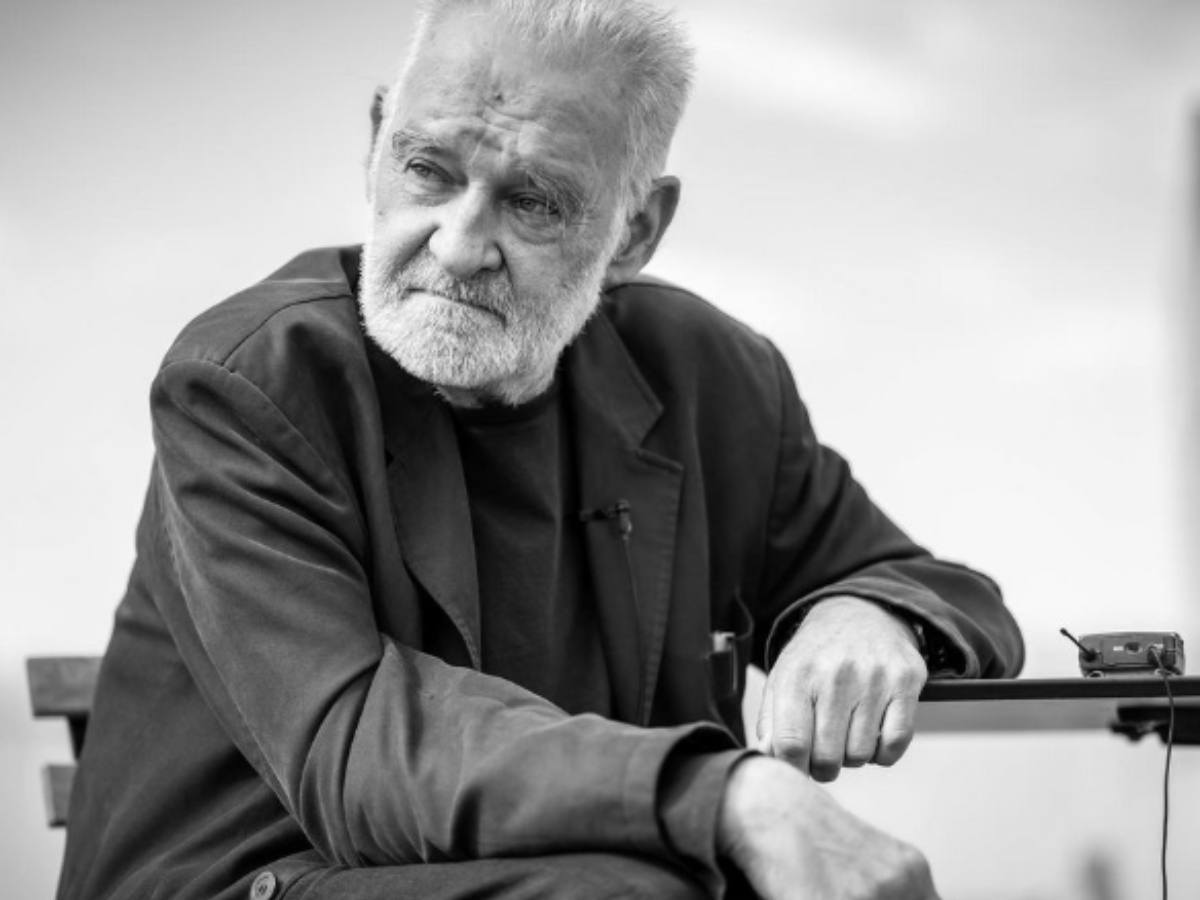
Hungarian filmmaker, Bela Tarr has died at the age of 70. (Image: X/ BorrowingTape)
Hungarian arthouse film director Bela Tarr, widely regarded as a major influence on contemporary slow cinema, has died at the age of 70 after a prolonged illness, according to family confirmation and the European Film Academy. Tarr was celebrated for a radical formal cinematic style, which was marked by long, elaborately choreographed single takes, slow pacing, and stark black‑and‑white visuals that reshaped art films and inspired generations of filmmakers worldwide.
According to reports, Bela Tarr died “after a long and serious illness,” the statement was shared on behalf of his family by Hungarian filmmaker Bence Fliegauf to Hungary’s MTI national news agency and was repeated by the European Film Academy in a memoriam posted on its official website.
Tributes have started pouring in from social media, as one user posted, “The sheer amount of masterpieces this man made. Barren, micro, atmospheric apocalypses. Biting, cold texture of the elements. Mud and wind. Bitter melancholy. All this desolation, and yet, still they were immense treatments on the depths of the human soul.”
Bela Tarr made nine feature films during his career, starting with Family Nest in the late 1970s and ending with The Turin Horse in 2011. His movies focused more on showing time, space, and mood rather than following a typical story. Instead of normal plots, he used long, continuous shots that let viewers fully experience the scenes, a style critics called “temporal realism.”
Tarr’s most famous work is the 1994 film Satantango which is an enormously long 450‑minute adaptation of a novel by Laszlo Krasznahorkai and remains one of the defining works of the slow cinema movement. However, his films were never commercially successful in the mainstream, their deep influence was felt widely across arthouse cinema. Director Gus Van Sant credited Tarr as a major influence on his own Death Trilogy (Gerry, Elephant, Last Days), which adopted Tarr‑like pacing and camerawork, and also the works of Jim Jarmusch reflect elements of Tarr’s style.
Tarr’s films typically explored existential themes and the lives of marginalised, desperate characters, often set against bleak or dystopian post‑communist landscapes. Despite the artistic acclaim he achieved, Tarr chose to retire from feature filmmaking after completing The Turin Horse in 2011. He stated that he did not want to make films that “just bore the people.”
Ramadan 2026: Check Feb 24 Sehri And Iftar Timings: City-Wise Fasting Schedule Across India
Ramadan 2026: Check Feb 24 Sehri and Iftar timings city-wise across India; fasting hours vary…
Pakistan will be up against England in the Super 8 fixture of the T20 World…
From earning just ₹500 a month to becoming one of India’s top comedians, Sunil Grover’s…
