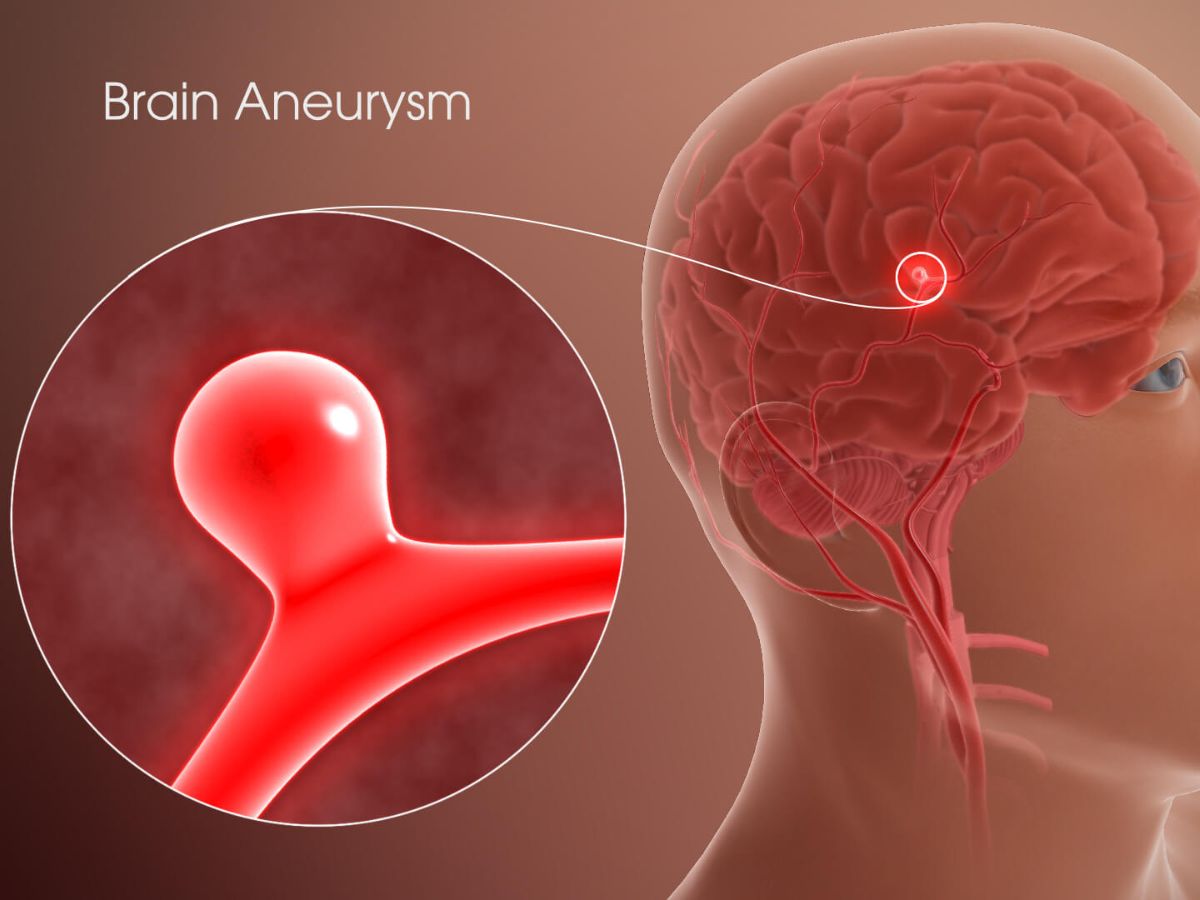
Brain Aneurysm (Photo Credit: Polaris NeuroSciences Hospital)
A brain aneurysm is a potentially life-threatening disorder that happens when a blood vessel in the brain has a weak area that balloons out and fills with blood.
The bulge can enlarge over time, and if the pressure gets too high, the aneurysm can burst, resulting in bleeding inside the brain, or a subarachnoid hemorrhage. It can result in extensive brain damage or death if not quickly treated.
The good news is that not all aneurysms burst. Many individuals might have a brain aneurysm and not even show symptoms.
It is usually found accidentally while undergoing scans for other medical conditions.
But when a rupture happens, it is sudden and unexpected, resulting in a violent headache, vision loss, nausea, or unconsciousness.
Bollywood star Salman Khan has recently shared that he has been carrying a brain aneurysm, trigeminal neuralgia, and an AV malformation.
The actor does not let his condition stop him from working and is a source of motivation to many.
His public admission has generated increased awareness regarding the seriousness of such neurological conditions, particularly in outwardly healthy individuals.
Dr. Praveen Gupta, Chairman of Marengo Asia Hospitals in Gurugram, emphasizes early detection.
“Brain aneurysms are unpredictable and usually go unseen until a major incident happens,” he explains.
For patients with a family history or lifestyle risk factors, regular imaging and medical checks can detect an aneurysm early, allowing treatment to take place before a rupture.
Artery wall weakening, usually congenital or the result of long-term damage
Chronic high blood pressure, which puts tension on blood vessels
Atherosclerosis, or plaque, which reduces blood flow
Smoking, a large risk factor that can ruin blood vessels
Genetic disorders like Ehlers-Danlos or polycystic kidney disease
Head injury or trauma, although rare
Substance abuse, especially stimulants such as cocaine
Age and gender—aneurysms are more prevalent in women over 40
A rupture causes bleeding into the brain and requires immediate medical attention. Symptoms include:
Sudden, severe headache (“worst headache of my life”)
Nausea and vomiting
Stiff neck
Blurred or double vision
Sensitivity to light
Seizures
Sudden loss of consciousness or fainting
Confusion or trouble speaking
Weakness or numbness in limbs
Keep your blood pressure in check
Don’t smoke and avoid excessive drinking
Have healthy cholesterol and blood sugar levels
Pay attention to family history and screen if necessary
Get immediate medical care if you have severe headaches, blurry vision, or nausea.
ALSO READ: Rising Lung Abnormalities Among Delhi’s Youth Spark Health Concerns, Reveals New Report
Ram Navami 2026: Confusion over whether Ram Navami will be celebrated on March 26 or…
Two people died while several others were injured after a bus lost control and overturned…
A powerful 7.6 magnitude earthquake struck near the Pacific island nation of Tonga, triggering tsunami…
