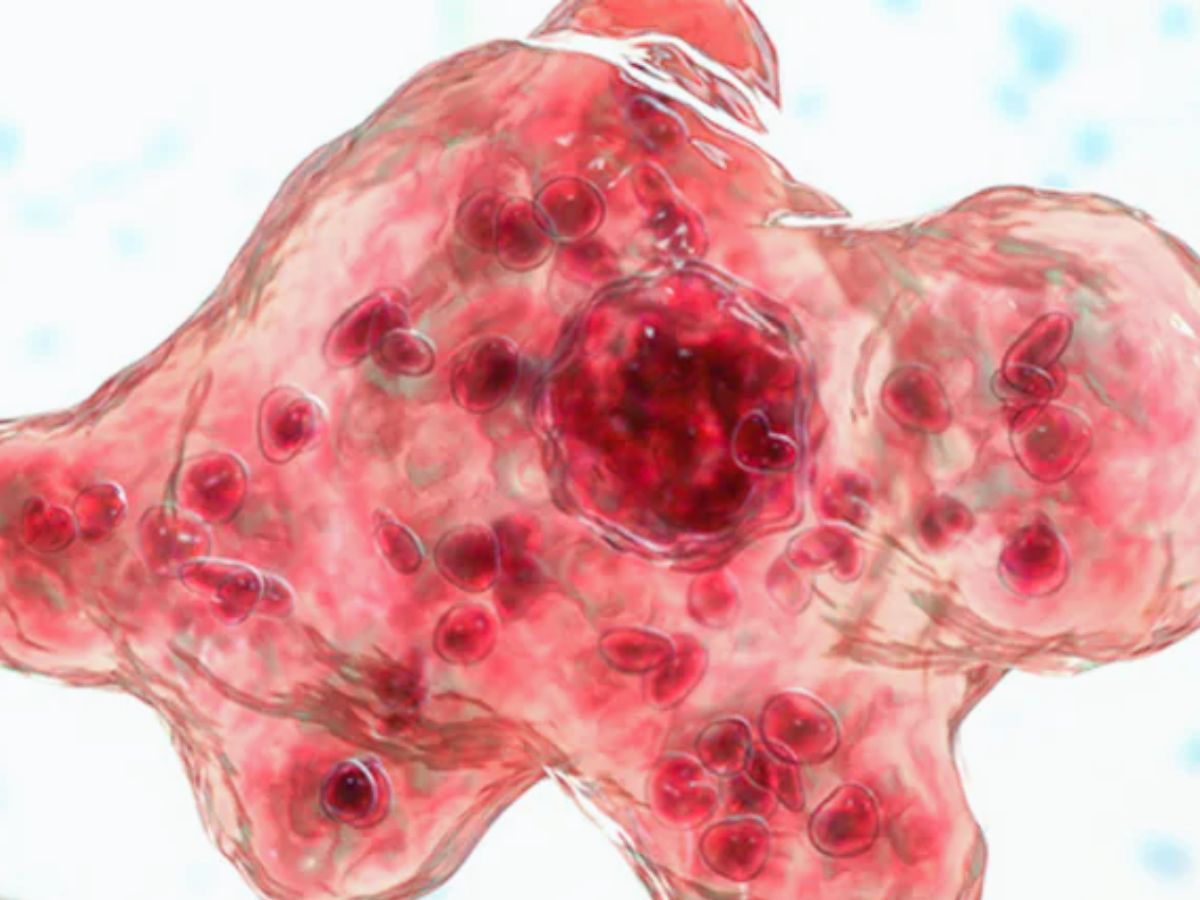
Deadly ‘Brain-Eating’ Amoeba Resurfaces in Kerala: Fourth Case Sparks Freshwater Safety Fears. (Representational image)
A nine-year-old girl from Thamarassery in Kozhikode district has died due to amoebic encephalitis, a rare and deadly brain infection caused by a free-living “brain-eating” amoeba found in polluted ecosystems, an environmental contaminant in freshwater . Health officials acknowledged on Saturday that, after a sudden fever began on August 13, the child was admitted to the local hospital and transferred to Kozhikode Medical College hospital next on August 14 . She passed away the same day.
Laboratory examinations at the medical college microbiology laboratory confirmed the cause of death was amoebic encephalitis, on the evening of Friday September 1st.The authorities are now following the likely water source probably a pond or lake where the child contracted the infection.
A senior health official stated that this is the fourth such case reported from the Kozhikode district this year, which has raised an alarm over the existence of the deadly pathogen in local water sources. “Once we identify the particular water body, we will also hunt down the people who might have recently bathed there,” the official stated.
Amoebic meningoencephalitis or primary amoebic meningoencephalitis or PAM, also called naegleriasis is a rarely found and almost always fatal brain and spinal cord disease that is caused by a free-living amoeba, Naegleria fowleri.
Infection occurs when water containing the amoeba enters the body through the nose that is usually during swimming, bathing, or diving into warm freshwater in lakes, hot springs or rivers.
After the amoeba is introduced into the body, it moves into the brain and causes extreme inflammation, and damage to brain tissue.
The disease usually develops within 1 – 12 days of exposure and starts with the following symptoms:
Headache
Fever
Nausea and vomiting
Stiff neck
Since the infection spreads very quickly, patients become confused, develop hallucinations, experience seizures, loss of balance, and coma. Death typically happens within a period of one to two weeks from the onset of symptoms.
Amoebic meningoencephalitis is very rare but nearly always fatal, with more than 90% mortality even with treatment. Throughout the world, only a few patients have survived following diagnosis.
This is the fourth reported case of amoebic encephalitis in Kozhikode district in 2025, revealing an immediate public health issue. Specialists warn against swimming or bathing in stagnant or unchlorinated freshwater bodies, particularly during summer and monsoon, when amoeba proliferation tends to occur more readily.
ALSO READ: Brain Fog That Won’t Go Away? It Might Be a Serious Warning Sign From Your Brain
Sofia Babu Chacko is a journalist with over five years of experience reporting on Indian politics, crime, human rights, gender issues, and stories about marginalized communities. She believes journalism plays a crucial role in amplifying unheard voices and bringing attention to issues that truly matter. Sofia has contributed articles to The New Indian Express, Youth Ki Awaaz, and Maktoob Media. She is also a recipient of the 2025 Laadli Media Awards for gender sensitivity. Beyond the newsroom, she is a music enthusiast who enjoys singing. Connect with Sofia on X: https://x.com/SBCism
iPhone 18 Pro Max is expected to launch around September 2026 with a similar price…
NEET UG 2026 was rated moderate and slightly easier than last year, with Physics and…
Can women delay their menstrual cycle or extend fertility? Chinese scientist Hongmei Wang is exploring…
