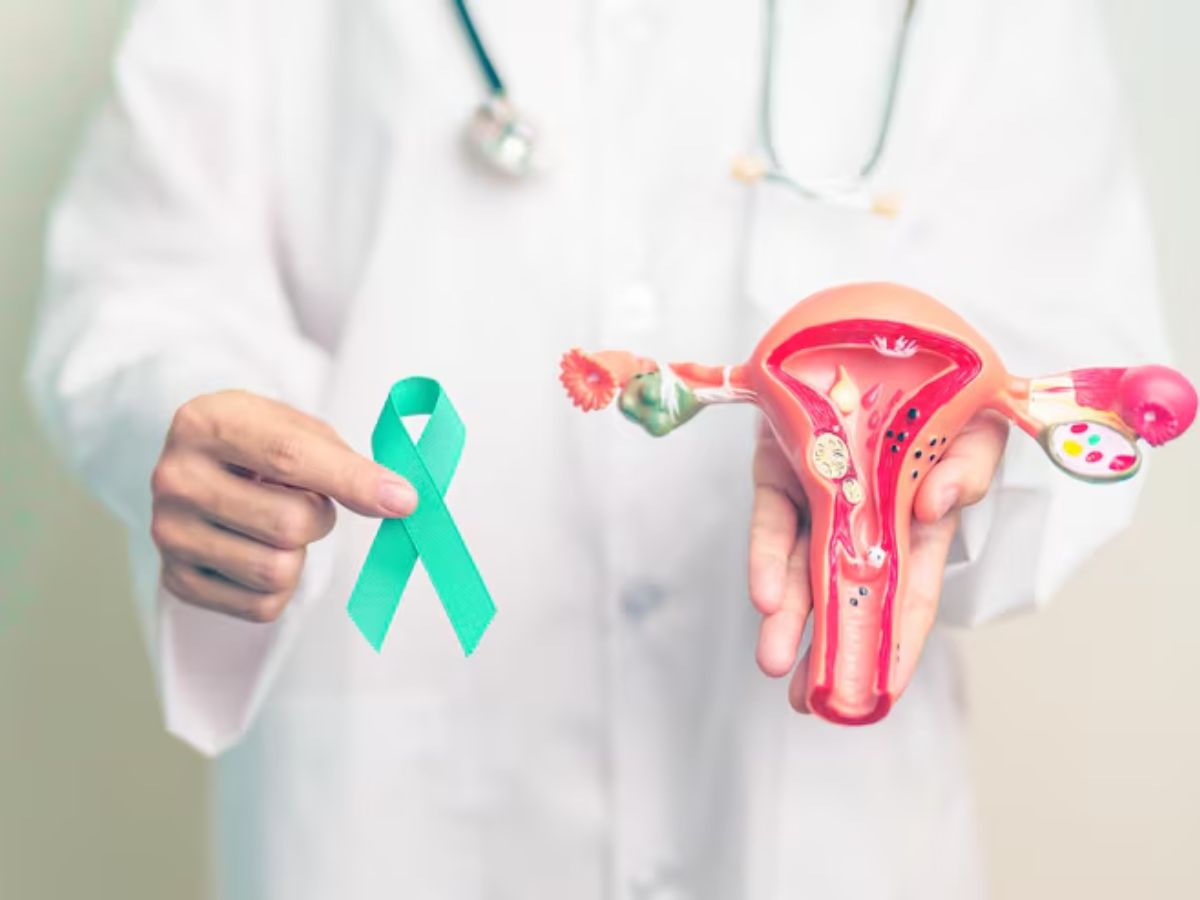
Cervical cancer remains a major public health concern, with nearly 80,000 new cases and over 42,000 deaths reported annually in the country. (Photo credit: freepik)
The Union Health Ministry is preparing to roll out a nationwide Human Papillomavirus (HPV) vaccination programme for 14-year-old girls. The vaccine will be offered voluntarily and free of charge, ensuring equal access across all socio-economic groups.
In a significant step forward for women’s health and cancer prevention, the Central government is set to introduce the programme soon, according to official sources. The initiative aims to shield adolescent girls from cervical cancer—one of the most common yet preventable cancers among women in India—and supports the broader vision of “Swastha Nari.” Cervical cancer remains a major public health concern, with nearly 80,000 new cases and over 42,000 deaths reported annually in the country.
The vaccination drive seeks to prevent HPV infection before it develops into cancer. Scientific evidence shows that almost all cervical cancer cases are caused by persistent infection with high-risk HPV strains, particularly types 16 and 18, which account for more than 80 percent of cases in India.
HPV vaccines are globally recognised for their safety and effectiveness, demonstrating 93–100 percent efficacy in preventing cervical cancer caused by vaccine-covered strains. More than 500 million doses have been administered worldwide since 2006, establishing a strong safety record. The vaccine is non-live and cannot cause HPV infection.
India’s national programme will use Gardasil, a quadrivalent HPV vaccine that protects against HPV types 16 and 18 (linked to cervical cancer) as well as types 6 and 11. Evidence from global and Indian studies indicates that a single dose provides strong and lasting protection when administered within the recommended age group.
The programme aligns with the World Health Organization’s strategy to eliminate cervical cancer. With this rollout, India will join over 160 countries that have incorporated HPV vaccination into their national immunisation schedules. Many countries have adopted single-dose regimens to enhance coverage and affordability, following evidence reviewed by WHO’s Strategic Advisory Group of Experts on Immunization (SAGE), which concluded that a single dose offers protection comparable to two-dose schedules for most individuals.
Grounded in global best practices, national disease burden data, and recommendations from the National Technical Advisory Group on Immunisation (NTAGI), the programme will focus on vaccinating girls at age 14—when the vaccine provides maximum preventive benefit, ideally before potential exposure to the virus. Younger adolescents also tend to generate a stronger immune response.
Vaccinations will be administered under medical supervision at designated government health facilities, including Ayushman Arogya Mandirs (Primary Health Centres), Community Health Centres, Sub-District and District Hospitals, and Government Medical Colleges. Each session will be conducted by trained medical personnel, with arrangements for post-vaccination observation and immediate access to 24×7 health facilities to manage any rare adverse events.
To ensure quality and uninterrupted supply, the government has secured vaccines through a transparent procurement mechanism in partnership with Gavi, the Vaccine Alliance. The vaccines have been approved by India’s drug regulator and meet stringent quality and cold-chain standards.
Parents and guardians are encouraged to have their 14-year-old daughters vaccinated once the programme begins, as HPV vaccination is a powerful preventive measure that can significantly reduce the future burden of cervical cancer.
HPV is a common sexually transmitted infection that most sexually active individuals encounter at some point. In most cases, the body clears the virus naturally within one to two years. However, persistent infection with high-risk HPV strains—especially types 16 and 18—can lead to abnormal cell changes in the cervix. If left undetected and untreated, these changes may progress to cervical cancer over 10 to 15 years.
Parents will be able to register and schedule vaccination appointments through U-WIN, the government’s digital immunisation platform. By implementing this nationwide programme, India aims to strengthen preventive healthcare for women and move closer to eliminating cervical cancer as a public health threat.
(With ANI Inputs)
BSNL: Union Communications Minister Jyotiraditya Scindia on Wednesday expressed shock over reports that BSNL Director…
The World Is Finally Listening to a Different Kind of AI Ethicist
How Shekhar Natarajan’s ‘Angelic Intelligence’ — born from Indian philosophy, poverty, and a mother’s sacrifice…
Who Is Shivam Sahu? Reewa Man Arrested For Uploading Wife’s Intimate Clips Online
In Rewa, Shivam Sahu was arrested for allegedly recording and sharing his wife’s private videos…
