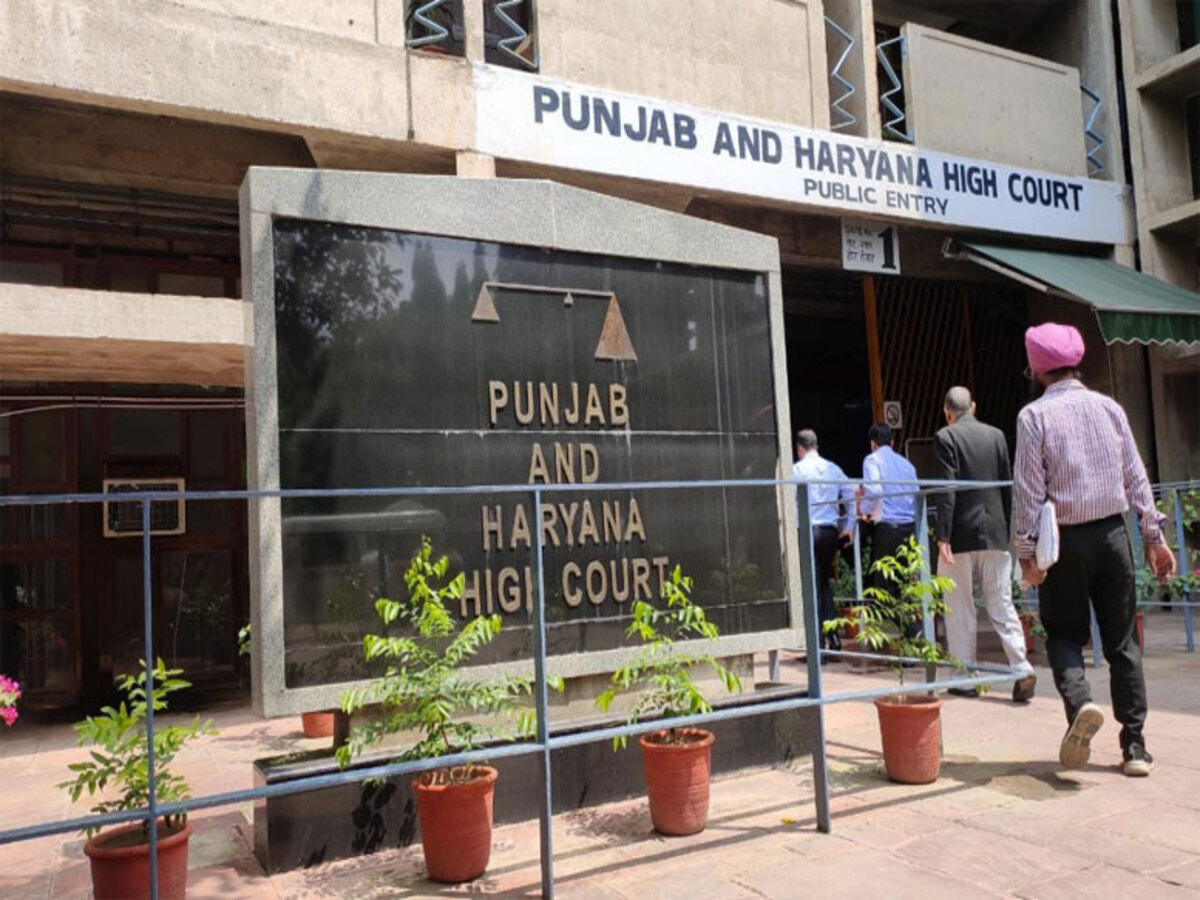
[IMAGE CREDIT-X] The court emphasized a humane approach over strict procedural compliance.
The Punjab and Haryana High Court has issued a definitive judgment, asserting that a retired government employee should not be refused medical reimbursement on the “dubious basis of slight delay” when valid reasons for the delay are present.
Chief Justice Sheel Nagu presided over the case brought by a senior citizen, who had filed for reimbursement of medical expenses following neurosurgery in September 2011. Although the submitted claim was rejected by Jind District Elementary Education Officer and Julana Block Education Officer, the petitioner’s plea highlighted his deteriorating mental health at the time as the reason for the delay.
The court emphasized that the entitlement to medical reimbursement is closely linked with the right to life, enshrined under Article 21 of the Indian Constitution. It ruled that technicalities such as a marginal delay should not override a deserving claimant’s right, particularly when the delay is not inordinately long and has a valid explanation.
Haryana’s own executive instructions were cited in court. These instructions allow officials discretion to consider and condone delayed claims even those submitted more than a year late when circumstances justify it. Importantly, the high court noted that these provisions empower the Health Department’s administrative secretary to entertain such claims beyond the typical time limit.
Acting on these grounds, the court reversed the rejection orders issued by the district and block officers. It directed that the petitioner’s documentation, originally submitted in 2013, be placed before the appropriate secretary for re-evaluation. The re-evaluation is to occur within 60 days, while genuine claims must be settled within 30 days. In case of further delay in disbursal, the amount awarded would accrue interest at 18 percent annually.
This ruling sets an important precedent that procedural delays, if minor and adequately justified, should not deprive citizens of medical entitlements. It underscores the judiciary’s sensitivity to the hardships of elderly and retired individuals, acknowledging that medical emergencies and related stress can lead to delayed submission of claims.
As voices across the state weigh in, many see this as a humane, rights‑based interpretation of policy. It signals a judicial embrace of flexibility and compassion, especially when public health and dignity are at stake. In sum, the High Court’s decision strengthens the principle that the state must prioritize substantive justice over rigid formalism.
ALSO READ: “RG Kar Victim’s Father Slams CBI, Bengal Govt Over Delayed Justice and Alleged Cover-Up”
Google Pixel Transit Mode rolls out with real-time commute updates, auto settings, and smart alerts…
Nalanda horror: Woman molested on road by 3 men, clothes torn; accused filmed and shared…
A routine visit to a vada pav stall in Mumbai’s Malad East turned into a…
