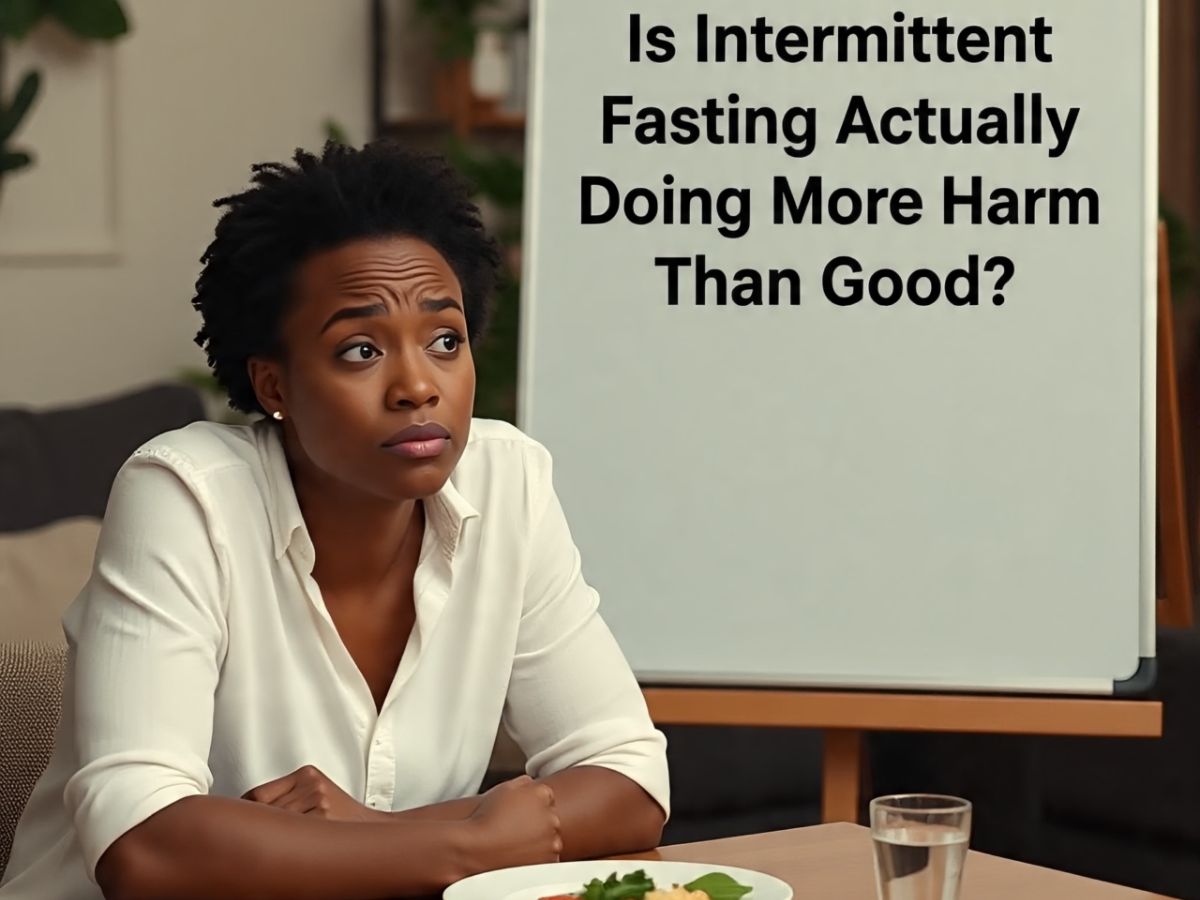
Intermittent fasting has become one of the most popular health trends in recent years. From celebrities to fitness influencers, everyone seems to swear by its benefits. The idea is simple — eat during a set window of time and fast for the rest of the day. Many people claim it helps with weight loss, better digestion, and improved energy levels. But while it may sound like the perfect solution, experts warn it might not be as harmless as it appears.
While intermittent fasting works for some, it can be tough on others. Skipping meals for long hours can lead to dizziness, fatigue, irritability, and trouble concentrating. Some people may even experience intense hunger that leads to overeating during their eating window, undoing the progress they hoped to make. For women, strict fasting can sometimes affect hormone balance, which may disrupt menstrual cycles or cause mood swings. Over time, it may also slow down metabolism if the body goes into “survival mode” from not getting enough fuel.
Fasting doesn’t just affect the body — it can also impact the mind. Constantly thinking about when to eat and when not to eat can create a stressful relationship with food. It may also make social situations, like family dinners or outings with friends, more complicated. What’s meant to be a simple health habit can quickly become emotionally draining if it’s done too strictly.
Intermittent fasting isn’t automatically harmful, but it’s not a one-size-fits-all plan either. It can work for some people when done gently and mindfully, but it can harm others if done without care or professional advice. Listening to your body, starting slowly, and getting medical guidance is key. At the end of the day, good health should feel nourishing — not punishing.
This content is for informational purposes only and not medical advice. Always consult a qualified healthcare professional before starting, changing, or stopping any diet or fasting routine.
Vani Verma is a content writer with over 2 years of experience in lifestyle, entertainment, health and digital media. She has a knack for creating engaging and research-driven content that resonates with readers, blending creativity with clarity. Passionate about media trends, culture, and storytelling, she strives to craft content that informs, inspires, and connects.
Drone Strike Forces Suspension Of Operations At Lanaz Refinery In Iraq’s Erbil Amid Ongoing Iran War
Operations at the Lanaz oil refinery in Erbil were suspended on Saturday after a drone…
Mirzapur: A shocking case from Mirzapur has raised serious concerns about the dangers of incomplete…
IPL 2026: RCB wicketkeeper Jitesh Sharma picked Adam Gilchrist over MS Dhoni as the greatest…
