Credit: Freepik
If you picture a tiny fish oil capsule and think, “That cannot matter much,” think again. Omega-3 fatty acids are small, but they interact with almost every part of the body. When your intake is too low, the consequences are more than just dry skin or low energy. Slowly and quietly, low levels of omega-3 can raise your risk for heart trouble, mood shifts, and chronic inflammation. The good news is that this is fixable, often with straightforward food and lifestyle changes.
This article provides information about how to detect the hidden dangers of Omega-3 deficiency in your heart, brain, and general vitality and take action to remedy them. You can enhance the way you live today and in the future by consuming more Omega-3s through both dietary and supplemental sources. Increasing your intake of Omega-3s will not only improve your life today and in the future, but it will also provide your body’s millions of cells, including your brain and your cardiac (heart) muscle cells, with essential nutrients.
At their core, omega-3 fatty acids are essential fats your body cannot make from scratch. The most important ones are ALA, EPA, and DHA. They help build cell membranes, support brain structure, calm inflammation, and keep your heart rhythm steady. Think of them as small maintenance workers who keep your body’s systems running smoothly.
You will not always get a dramatic red flag, but look out for these subtle clues. If you notice several of them together, it is worth checking your diet or speaking to a clinician.
Persistent dry, flaky skin or brittle hair.
Frequent joint stiffness or achiness that feels inflammatory rather than mechanical.
Low mood, brain fog, or trouble concentrating.
Poor eyesight or trouble with night vision in some cases.
Slow wound healing or frequent minor infections.
High triglycerides or other unfavourable blood-lipid readings on a blood test.
Each of these can have many causes, but they are also well recognised as signs of omega-3 deficiency when seen in combination.
Let’s be blunt and practical. Low omega-3 is linked with meaningful, measurable risks:
Heart health: Low levels are associated with higher triglycerides, higher risk of irregular heart rhythms, and a modestly increased risk of cardiovascular events. In short, your heart likes omega-3 fatty acids.
Brain and mood: DHA in particular is structural brain matter. Low levels are linked to poorer cognitive function and worse outcomes in depression and mood disorders. If your focus or mood is off, this could be part of the picture.
Inflammation and pain: Omega-3 has natural anti-inflammatory effects. Without enough, long-term low-grade inflammation can persist, contributing to joint pain, metabolic stress, and chronic conditions.
Pregnancy and infant development: Low maternal omega-3 intake is connected to worse visual and cognitive outcomes in babies. Expectant parents should pay attention.
Skin, vision, and immune health: These are smaller, but noticeable, day-to-day effects that often push people to act.
If you want to top up naturally, here are trustworthy sources labelled as sources of omega-3:
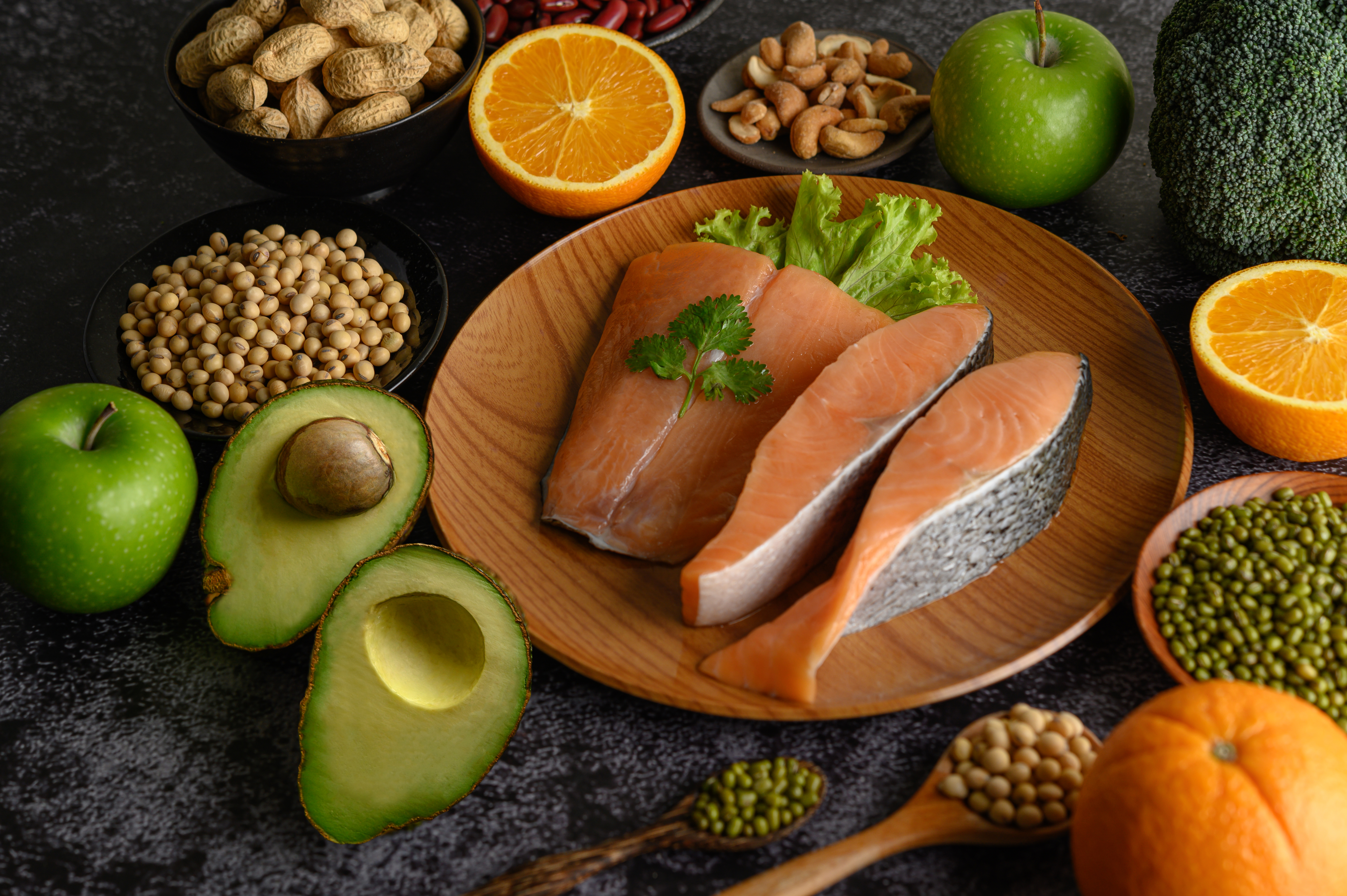
Fatty fish two to three times a week: salmon, mackerel, sardines, and anchovies are excellent for EPA and DHA.
Flaxseed and chia seeds: rich in ALA, a plant form of omega-3. Grind flaxseed for best absorption.
Walnuts: a handy snack that adds ALA.
Algae oil: a vegan source of DHA and EPA, useful if you do not eat fish.
Fortified foods: some eggs, milks, and yoghurts are fortified with omega-3 fatty acids.
Supplements can be a safe and effective route, especially for people who do not eat fish or who have elevated triglycerides. Fish oil supplements supply EPA and DHA directly. Algae-based supplements give a plant-friendly DHA/EPA alternative. Always look for reputable brands with third-party purity testing and check dose guidance with a clinician. Do not self-prescribe high-dose supplements if you are on blood thinners or have complex medical issues.
Audit your plate for a week. Note how often you eat fatty fish, seeds, nuts, or fortified foods.
Add one small swap: replace one snack with a handful of walnuts or stir ground flax into your porridge.
Aim for two fish meals weekly if you can. If you are a vegetarian, try daily flax or chia and consider algae oil supplements.
If you have risk factors such as heart disease, high triglycerides, depression, or pregnancy, talk to your clinician about testing blood levels and appropriate supplementation.
Hydrate, move, and sleep well. Omega-3 works best in a body that is otherwise well-cared-for.
You do not need drama to make a big difference. A couple of small food changes can protect your heart, sharpen your brain, and calm nagging inflammation. If you suspect omega-3 deficiency, start by adding fish, seeds, or an algae supplement and check in with a clinician. These tiny fats punch well above their weight, and giving them the attention they deserve is one of the simplest, smartest health moves you can make.
Disclaimer: The information provided on this platform is for general informational and educational purposes only and is not a substitute for professional medical advice, diagnosis, or treatment. Always consult a qualified healthcare professional, dermatologist, or nutritionist regarding any health, fitness, or beauty concerns. Individual results may vary.
Alin Sherin Abraham: 10-month-old Alin Sherin Abraham from Mallappally in Pathanamthitta has become Kerala’s youngest…
Paris Police Shoot, Injure Knife-Wielding Man After Attempted Attack Near Arc de Triomphe | WATCH
French police shot and injured a man armed with a knife on Friday near the…
The Pentagon has ordered the deployment of the nuclear-powered aircraft carrier USS Gerald R. Ford…
