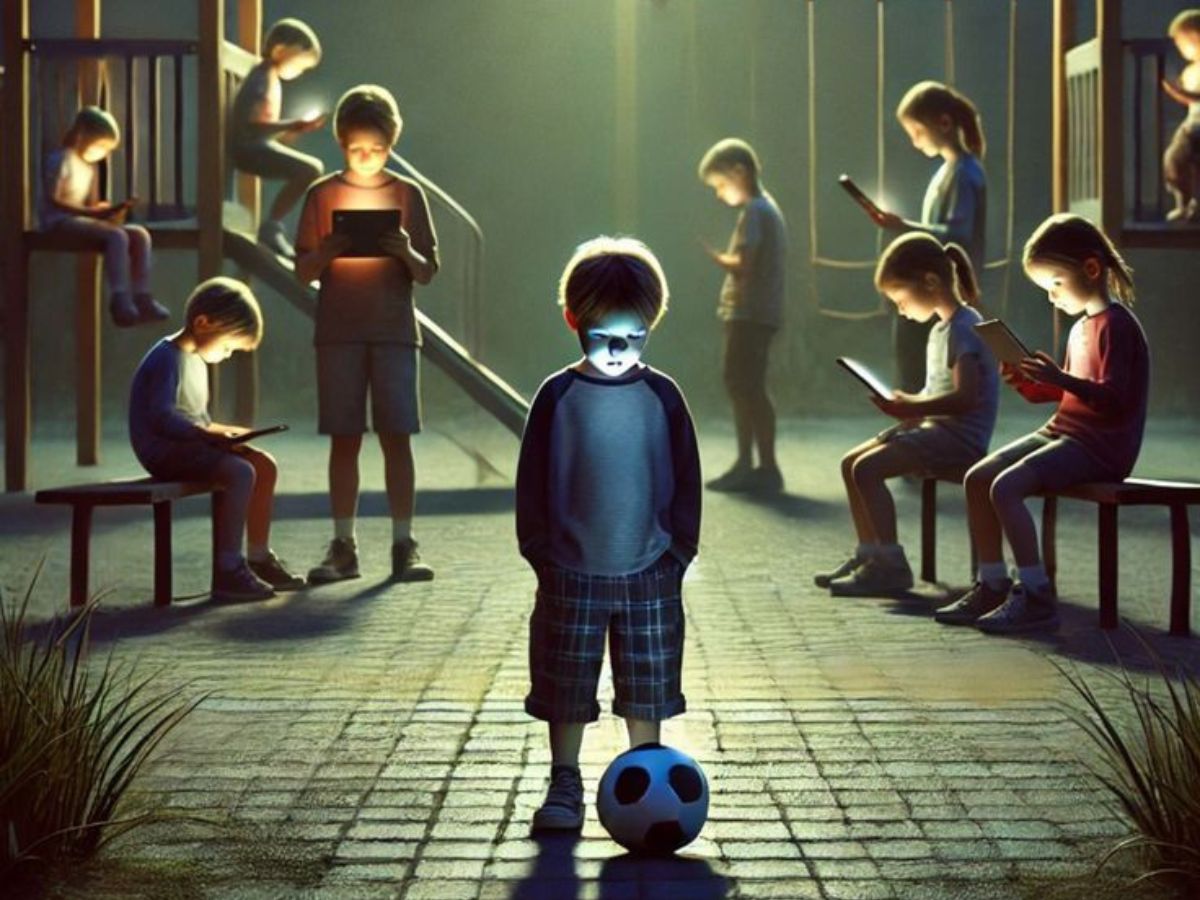
In today’s digital age, social media is not only for you but also for children can’t avoid it. While it offers connection and entertainment, growing evidence shows that excessive or unsupervised use can seriously impact children’s mental health.
Low Self-Esteem and Unrealistic Standards
One of the major concerns is low self-esteem. Platforms such as Instagram and Facebook often feature filtered representations of life far from reality. Children hit with such unreasonable perfectionism begin to think that they are less than worthy, and due to this, poor body image and self-doubt set in.
Cyberbullying: The Silent Mental Health Killer
The other villain is cyberbullying. Characterized by anonymous, insistent, and sometimes frantic harassment, cyberbullying can make the victim suffer from anxiety, depression, or may have suicidal thoughts. Parents remain oblivious until irreparable damage has been done to the child.
Sleep Disruption and Its Emotional Toll
Late-night scrolling disrupted children’s social media-induced sleep schedule. The absence of adequate sleep may cultivate irritability, decreased academic performance, and mood disorders.
Validation Addiction and Social Anxiety
The relentless craving for validation via likes and shares may generate a pathological craving. Such children start to develop social anxieties and cannot depend on their approval in real life.
FOMO fuels this compulsion to scroll post IEmalicious, thus making it impossible for kids to disconnect and partake in healthier offline engagement.
Set limits on screen-time hours and designate phone-free zones at home
Allow open talks regarding online experiences
Monitor usage, but do it without being overt
Encourage offline hobbies, exercises, and socialization
An education must be given regarding the importance of digital literacy and emotional resilience to kids
This way, parents can ensure that their kids are in a healthy mental state while navigating the online world under their guidance. Social media being social, after all, can never be said to simply do good; it requires limits and restrictions.
Disclaimer- This article is for informational purposes only and should not replace professional medical or psychological advice. Please consult a qualified expert if your child shows signs of mental health concerns.
Shubhi is a seasoned content writer with 6 years of experience in digital media. Specializing in news, lifestyle, health, sports, space, optical illusions, and trending topics, she crafts engaging, SEO-friendly content that informs and captivates readers. Passionate about storytelling, Shubhi blends accuracy with creativity to deliver impactful articles across diverse domains.
Pakistan lodges an official complaint against Bangladesh following a controversial DRS decision in the 3rd…
uCT 960+ is an advanced AI Powered 640-Slice CT Scanner. Collaboration between Vista Imaging, Medikabazaar…
BSEB Bihar Board Class 12 Result 2026: Where and How to Check Inter Results
The Bihar School Examination Board (BSEB) is expected to declare the Bihar Board Class 12…
