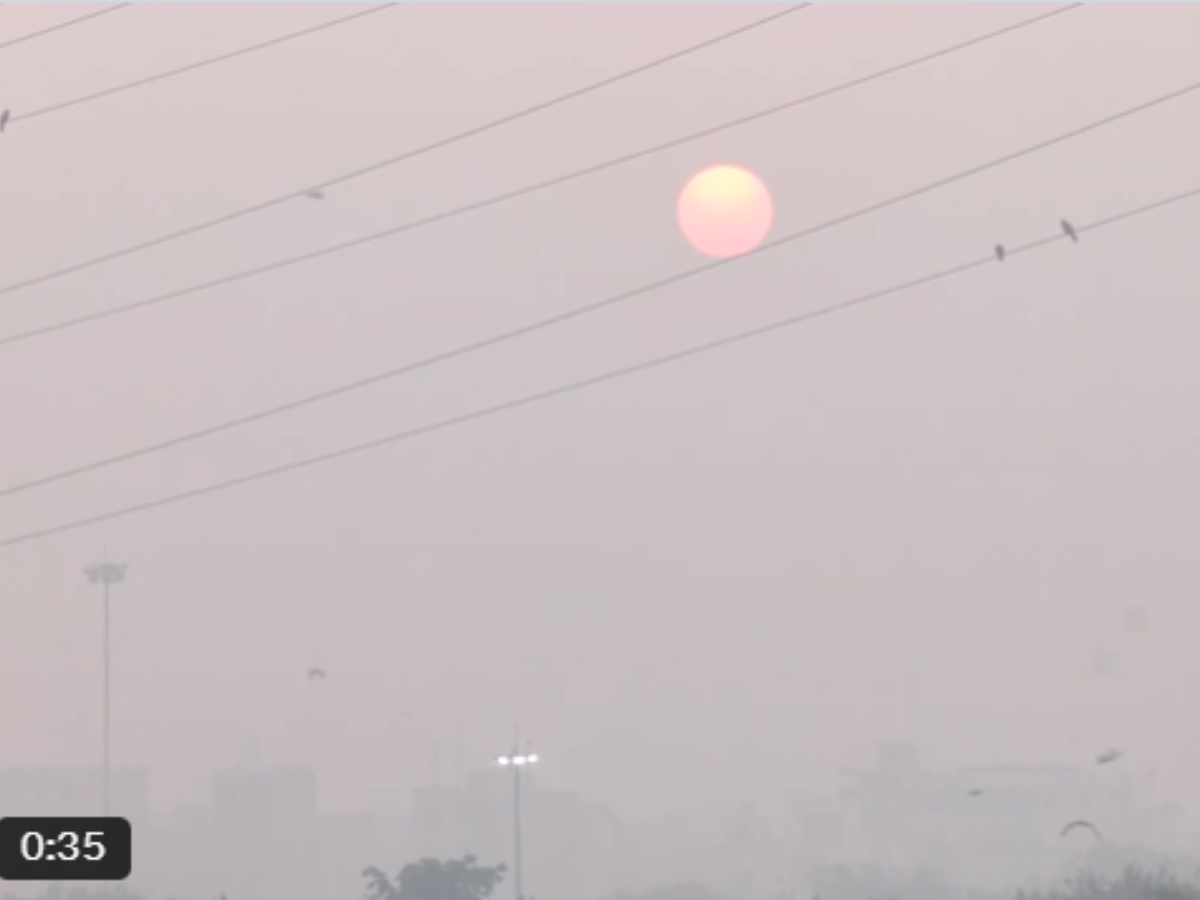
GRAP 4 Imposed in Delhi NCR
The residents of National Capital is facing severe crisis of fresh air. The air pollution in Delhi NCR has reached extremely hazardous levels as several regions witnessed +600 AQI.
Areas such as Noida, Greater Noida, Ghaziabad, Gurugram, and Faridabad reported toxic air that now poses serious risks to public health. Authorities responded to the situation by enforcing GRAP Stage 4, the highest alert under the Graded Response Action Plan.
The measure aims to slow rising pollution by applying strict controls across the region. Officials also warned residents to reduce outdoor activity as pollution levels continue to remain in the emergency category.
GRAP 4 clearly means – Dangerous. Its an emergency pollution zone, banning the entry of trucks into Delhi, except vehicles carrying essential goods or using cleaner fuels such as CNG, LNG, electricity, or BS-VI diesel.
Non-essential commercial vehicles from outside Delhi also face restrictions. Construction work at public and government project sites stops immediately.
Offices in the public and private sectors receive directions to allow or implement 50 percent work-from-home. All rules under Stages 1, 2, and 3 continue together. These combined restrictions aim to control the rapid rise in toxic air across the region.
When air quality reaches the “Severe” category, GRAP Stage 3 begins. Authorities stop non-essential construction activities such as excavation, piling, and demolition.
They also ban BS-III and BS-IV diesel vehicles across Delhi-NCR to reduce pollution from ageing engines. Monitoring teams check stone crushers, mining areas, and heavy machines that use diesel.
Schools up to Class 5 may close if pollution remains unsafe for young children. Agencies also issue fines and legal notices against violators. These steps aim to bring down major dust and emission sources during severe pollution days.
GRAP Stage 2 introduces tougher steps when pollution levels show a clear rise. Authorities enforce a complete ban on diesel generator sets, except for emergency services.
Parking rates increase across the NCR to discourage private vehicle use. Agencies deploy anti-smog teams to sprinkle water and control roadside dust in crowded areas.
Officials also prepare to restrict BS-IV diesel vehicles if emissions continue to grow. These measures aim to cut exhaust-related pollution and reduce the movement of older vehicles that release higher levels of harmful particulates.
Under GRAP Stage 1, authorities place early restrictions to reduce emissions from everyday sources. This stage enforces a ban on the use of coal in small eateries, dhabas, and restaurants.
It also stops open burning of waste in public and private areas. Teams on the ground take preventive steps to limit dust and smoke from local sources. Civic bodies increase inspections, target small pollution hotspots, and ensure that basic compliance improves across markets and residential zones.
These first-level measures aim to prevent pollution from rising when air quality begins to weaken.
Swastika Sruti is a Senior Sub Editor at NewsX Digital with 5 years of experience shaping stories that matter. She loves tracking politics- national and global trends, and never misses a chance to dig deeper into policies and developments. Passionate about what’s happening around us, she brings sharp insight and clarity to every piece she works on. When not curating news, she’s busy exploring what’s next in the world of public interest. You can reach her at [swastika.newsx@gmail.com]
Adhir Ranjan Chowdhury is a senior leader of the Indian National Congress from West Bengal.…
Bengaluru FC and Mohun Bagan Super Giant shared points after a tense 0-0 draw in…
Former India spinner R. Ashwin left out ODI skipper Shubman Gill from his preferred top-four…
