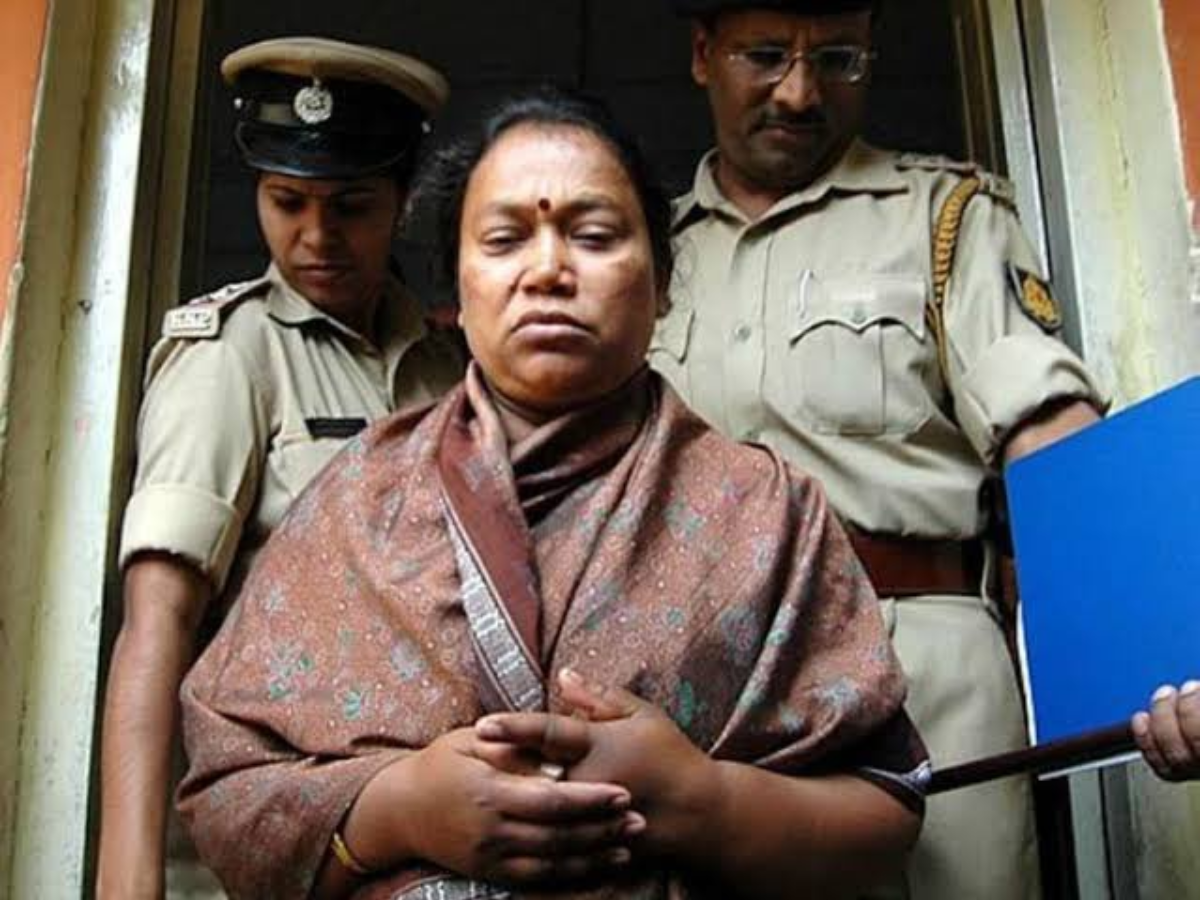
India's first female serial killer 'Cyanide Mallika' (Image: X)
K D Kempamma, better known as Cyanide Mallika, is believed to be India’s first convicted female serial killer, whose shocking murders in Bengaluru stunned investigators and the public alike. Police described her as “no ordinary Mallika, she is ‘Cyanide Mallika’”, Karnataka’s most chilling murderer and believed to be India’s first woman serial killer.” Her crimes were carried out with cold precision, preying on vulnerable women who trusted her devotion and sympathy.
Investigators said Mallika had “single-handedly murdered six women by using cyanide and decamping with their jewellery and valuables.” She gained the trust of her victims by posing as a devout temple visitor who could solve their personal problems through special rituals.
According to reports, her method was calculated and deceptive. Mallika would approach women at temples, listen to their troubles, and suggest a mandal pooja or other religious ritual that she claimed would fix their issues. She would then lead them to more isolated temples outside the city. According to police, she would administer cyanide, sometimes mixed in water she passed off as holy water, at other times in food. In some cases, she even forcefully held the victim’s nose and made them drink the poisoned liquid. Once the women were dead, she would calmly remove their jewellery and valuables and disappear.
The crimes spanned years, her first confirmed murder took place on October 19, 1999, and her killings intensified in 2007, when she murdered five women in quick succession. Many of these deaths were initially registered as mysterious or “unnatural” because there were no obvious signs of violence, delaying suspicion.
As per reports, Mallika was finally arrested on December 31, 2007, after police received a tip that a woman was attempting to sell jewellery and mobile phones suspiciously at a bus stand. When questioned, she identified herself as Mallika and soon revealed details that stunned investigators.
Following her arrest, Kempamma was convicted in multiple trials. A Fast Track Court awarded her the death sentence for several murders, although some sentences were later converted to life imprisonment. She was lodged in Parappana Agrahara central prison and later moved to Hindalga prison.
According to police, Mallika came from a poor family and had grown up in poverty and witnessed financial hardship. She also had a failed marriage and years of instability in her life, she reportedly developed deep resentment and a desire for material security.
Police said that they believe greed was a major motive behind the killings. They had recognised the pattern of her targeting women wearing gold jewellery and who appeared emotionally vulnerable.
Her arrest helped police reopen several unexplained deaths of women near temples, ultimately exposing a rare and disturbing pattern of serial killings that challenged long-held assumptions about female offenders in India.
Authorities said Mallika’s greatest weapon wasn’t just cyanide, it was the trust she built by appearing devout and sympathetic.
US, Israel attack Iran: More than 3,000 flights have been scrapped worldwide after the United…
Wedding rumours explode after Law Roach hinted that Zendaya and Tom Holland’s “wedding has already…
Stock Market Today: Indian markets open sharply lower amid US–Israel–Iran tensions, soaring oil and gold…
