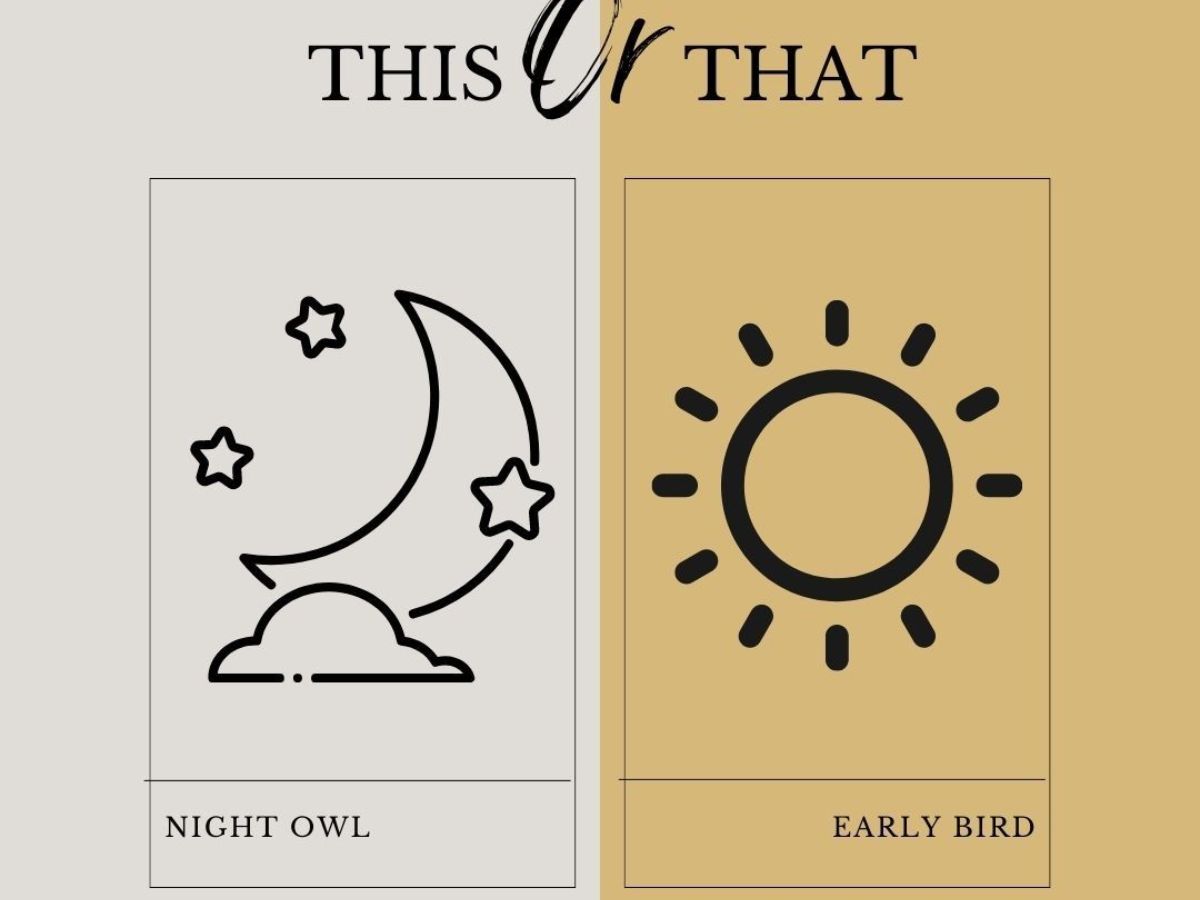
When should you study for optimum focus: early in the morning or late at night? It’s not as simple as morning or night. Scientific research and real-time experience show that the best time to study is dependent on personal preference and biological rhythms; however, there are some things we know to help you determine your best study time when it comes to focus.
The Science of When To Study
Humans have a natural biological circadian rhythm that creates peaks and troughs in alertness and cognitive ability in 24-hour cycles Scientific studies demonstrate that, for many people, the late morning or before bed, results in the highest focus and retention of information
Late Morning (approximately 10am-2pm): Your brain has had a chance to begin waking up after a good night’s sleep. This is arguably the best time of day for doing analytical work and working through complex and difficult material.
Late Evening (approximately 4pm-10pm): Cognitive performance returns, especially with memory and creative thinking. There also are fewer distractions to distract you as it gets late into the evening; if you work best at night, this is helpful to tap into your peak focus.
Early Birds vs. Night Owls
Early Birds use the clarity that comes with restful sleep and a fresh morning mind. Studying in the morning provides clarity, enhances memory retention, and allows for afternoon activities.
On the other hand, Night Owls are usually more productive in the quiet of the world. They enjoy studying late at night, with little disturbances. They deeply focus, and studying late at night seems to provide them with a sense of creativity or complex thinking processes, when their sleep is protected.
Finding the best time for your study
The best time to study is when your own peak levels of energy and lifestyle coincide. Some people are freshest at dawn, with quiet and clarity, others prefer the stillness and silence later at night to study. Research demonstrates that it doesn’t matter what time it is, as long as you develop healthy routines and get sleep.
Tip: study in both the morning and the evening for a week at a time. Record your alertness, and your productivity. Choose the rhythm that best suits your focus and retention/memory abilities.
Not every clock works for everybody. Listen to your body. Sleep is important for physical and mental health practices. Study sessions do not have to be at an arbitrary time on a clock. Whether you are an early bird or night owl, studying in alignment with your biological clock provide for peak focus and awareness.
( This article provides general guidance and is not a substitute for expert advice. Everyone’s study rhythm is different, choose what aligns best with your lifestyle and cognitive peak hours.)
Vani Verma is a content writer with over 2 years of experience in lifestyle, entertainment, health and digital media. She has a knack for creating engaging and research-driven content that resonates with readers, blending creativity with clarity. Passionate about media trends, culture, and storytelling, she strives to craft content that informs, inspires, and connects.
Odisha Hospital Fire: A massive fire broke out in the trauma care ICU of SCB…
Dubai International Airport has been attacked with drones by Iran, triggering a major fire. UAE…
U.S. officials predict the Iran conflict could end within weeks, with oil prices set to…
