
Rasgulla: Who Really Invented This Sweet Icon?
Rasgulla (or rosogulla) is one of the most loved sweet dishes in all of India. It is made from curdled milk being soaked in a sugary syrup. It is mostly consumed during celebrations, be it festivals or special occasions, Rasgulla is one of the best sweets to celebrate with. It’s unique texture and sweet taste makes it different from other sweets, it is a small ball filled with sugary syrup that explodes with its flavours when eating. Rasgulla has been around for generations, it has been a fan favourite for as long as we remember.
The thing that is more interesting than the texture of a rasgulla is it’s origin story. While West Bengal proudly claims it as its own, Odisha contests this, citing centuries old temple traditions, the sweet’s origins are shrouded in history. It ranges from Odisha to West Bengal with both claiming its originality, read below to figure out which state actually did invent it:
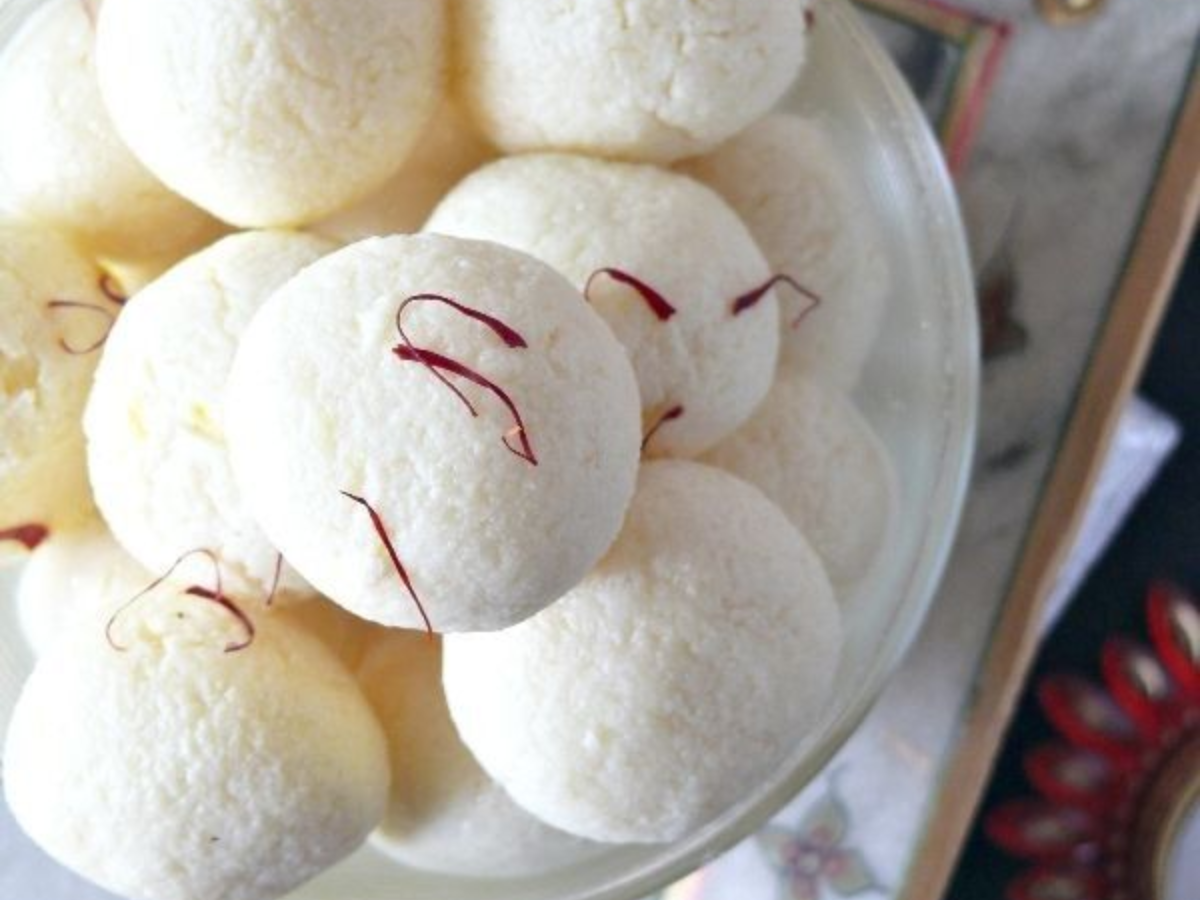
Rasgulla
Rasgulla is a popular Indian sweet made from cottage cheese (chhena), cooked in a light sugar syrup, resulting in a soft, spongy, and mildly sweet dessert. It's known for its unique texture and is a beloved treat throughout India and beyond.
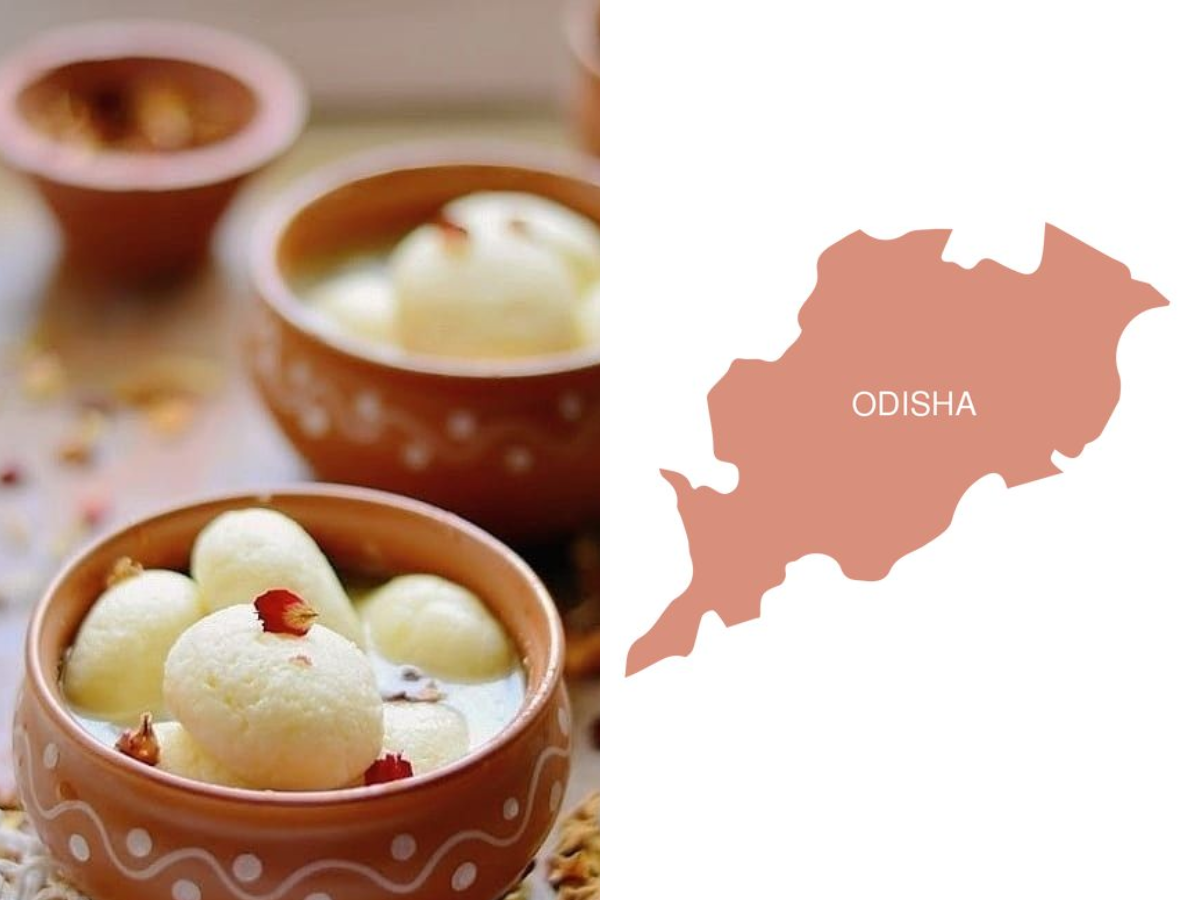
Origin From Odisha
Odisha Tourism states that the Rasgulla, known locally as Khira Mohana, has been offered to Lord Jagannath in Puri's Jagannath Temple for centuries, particularly during the Rath Yatra festival.
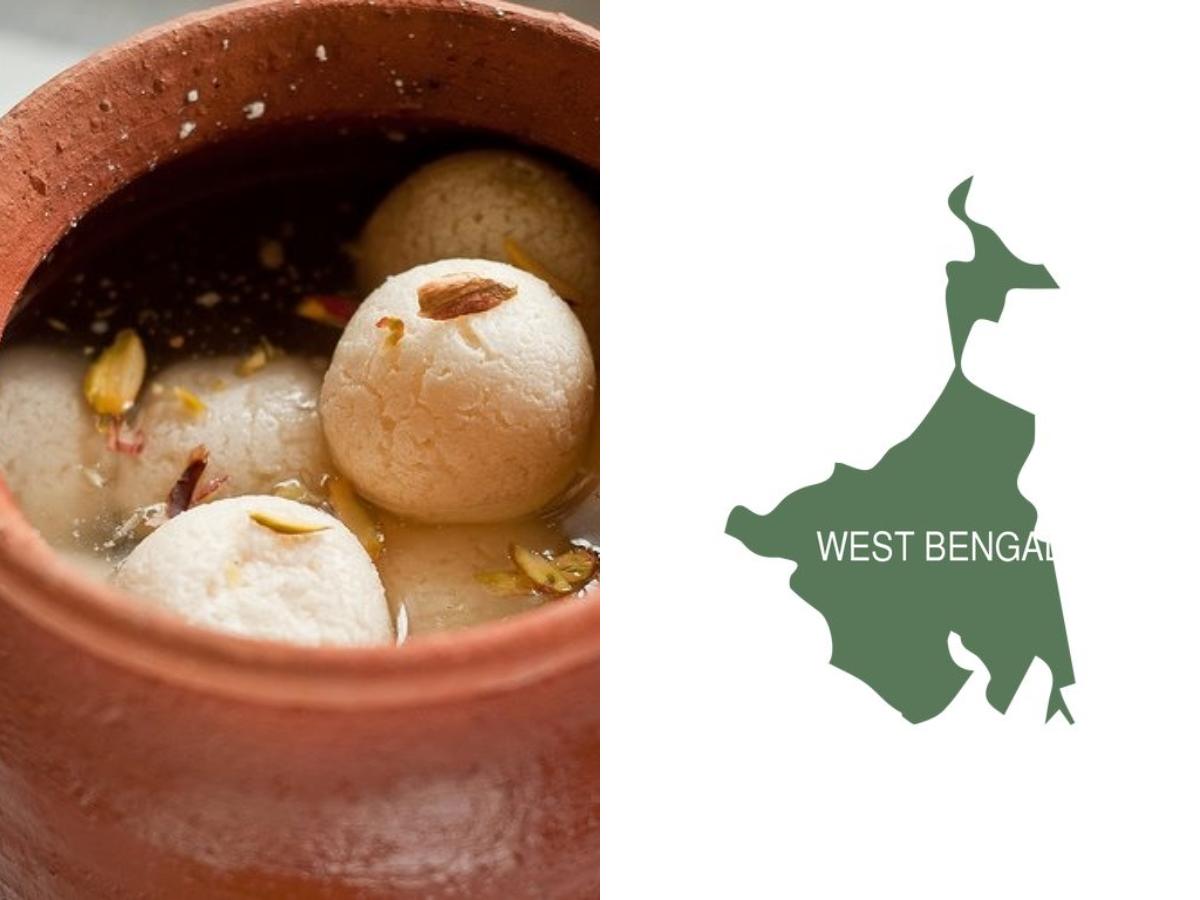
Origin From West Bengal
West Bengal attributes its invention to Nabin Chandra Das in the 19th century. Both states have been granted Geographical Indication (GI) tags for their respective versions of the sweet, acknowledging their unique characteristics

Who did invent it?
Both states have separate GI tags now, acknowledging that two different versions of the sweet exist. Bengal's version is softer and spongier while Odisha's rasgulla is firmer, less sweet and deeply connected to rituals in the Jagannath culture.




