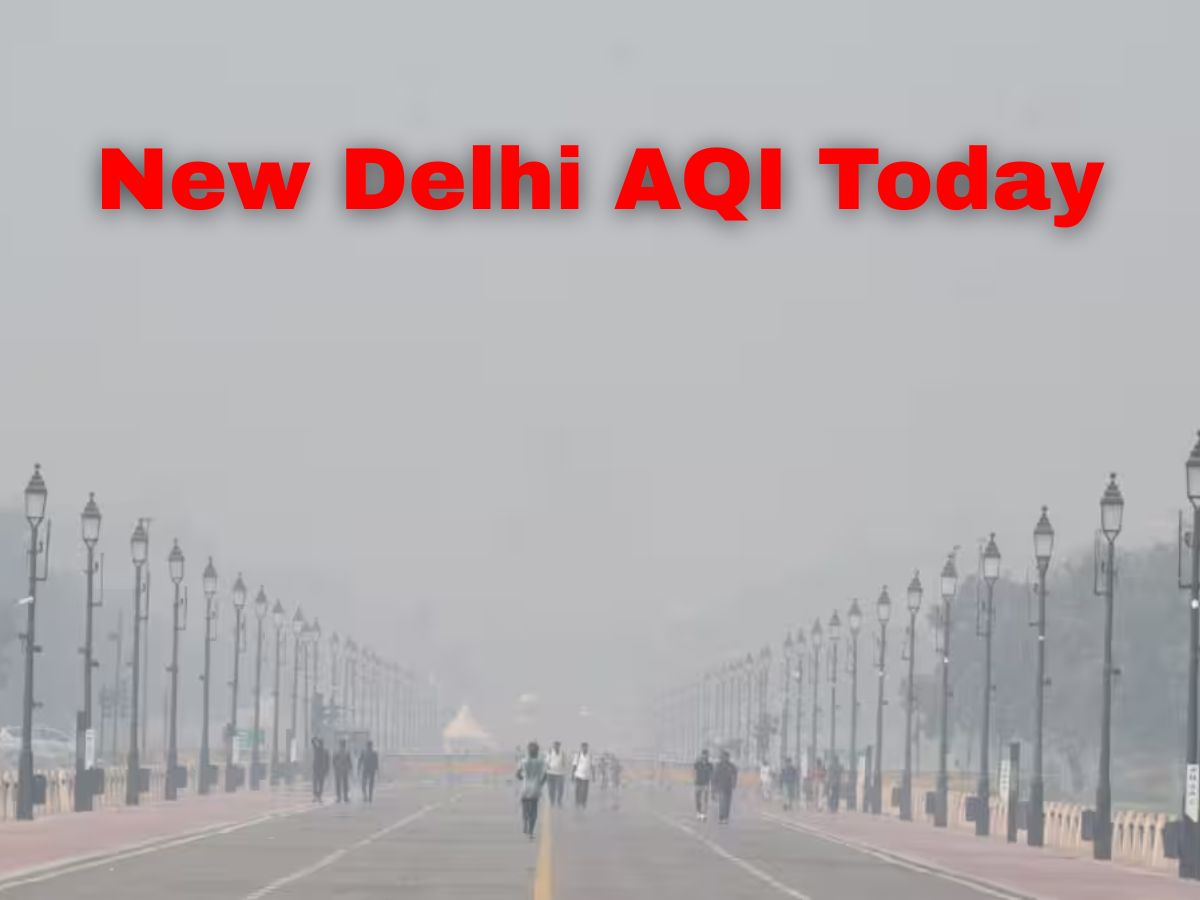
Delhi’s air quality is still in critical condition after Diwali 2025, shrouded in thick smog and extreme pollution. The Air Quality Index (AQI) was in the ‘very poor’ to ‘severe’ category on October 22, with various locations including the Delhi Metro recording dangerous levels. This article presents a list of the most polluted areas.
On October 22, Delhi’s AQI was around 345, considered ‘very poor’ quality. ‘Very poor’ means health effects may occur, especially for sensitive groups (young children, older adults and those with breathing problems.). Some of the reported areas were ‘severe’ levels (over 400 AQI), caused by continued pollution, and ‘extremely dangerous’ air quality for everyone.
An area with stagnant air and high pollutant levels from industrial work.
An area known for heavy smoke and dust from metal workshop businesses.
An area impacted by vehicle emissions and stagnant air.
A mixed residential and commercial area with stagnant air being heavily impacted by smog.
A smog impacted area with severe implications for visual obstruction and breathing relief.
A congested area nearing severe pollution.
A suburban area that was heavily impacted by smoke from firecrackers.
An area impacted by low winds and firecracker smoke.
An area in East Delhi that was heavily impacted by dust and smoke.
An area heavily impacted by local activity and air pollution.
There were other heavily polluted locations as well, including: Dwarka Sector 8, Anand Vihar, ITO, Nehru Nagar, Lodhi Road, and Chandni Chowk, all above 300 AQI, “very poor.”
The increase in pollution was due to fireworks exceeding approved time set by the Supreme Court, a lack of wind, and high humidity that helped keep pollutants in the air, as well as stubble burning from neighboring states. Thus, we have thick layers of smog on the surface layer that is mostly made up of stuck particulate matter.
The Government is now implementing Stage II of the GRAP (Graded Response Action Plan) as per their recommendations. This includes banning diesel generators, curbing construction and traffic, and monitoring pollution and traffic more frequently. Citizens are advised against using vehicles, doing outside activities, using N95 masks, and even having clean air indoors. Anyone with higher vulnerability to worsening air quality should avoid being outside completely, which is equivalent to smoking multiple cigarettes.
Two days after Diwali 2025, EXTREME levels of pollution can still be seen across Delhi–again, some areas are in the “hazardous” AQI category. Bawana has been reported at the highest percent concentration, followed by Wazirpur and Alipur. The Government’s GRAP measures are intended to mitigate the current outdoor air pollution crisis from worsening. The government and citizens are a team depending on each other, until the air clears, residents should take any measure possible to mitigate the health effects of this air pollution crisis.
Figures may vary due to changing weather conditions, local emissions, and real-time updates from monitoring stations. Readers are advised to check official sources for the latest air quality information.
Vani Verma is a content writer with over 2 years of experience in lifestyle, entertainment, health and digital media. She has a knack for creating engaging and research-driven content that resonates with readers, blending creativity with clarity. Passionate about media trends, culture, and storytelling, she strives to craft content that informs, inspires, and connects.
A free demo of Yet Another Zombie Survivors has been released on the PlayStation Store,…
Ahead of IPL 2026, Royal Challengers Bengaluru (RCB) left-arm pacer Yash Dayal has tied the…
Muthu Engira Kaattaan, starring Vijay Sethupathi, streams on JioHotstar from March 27. The rural mystery…
