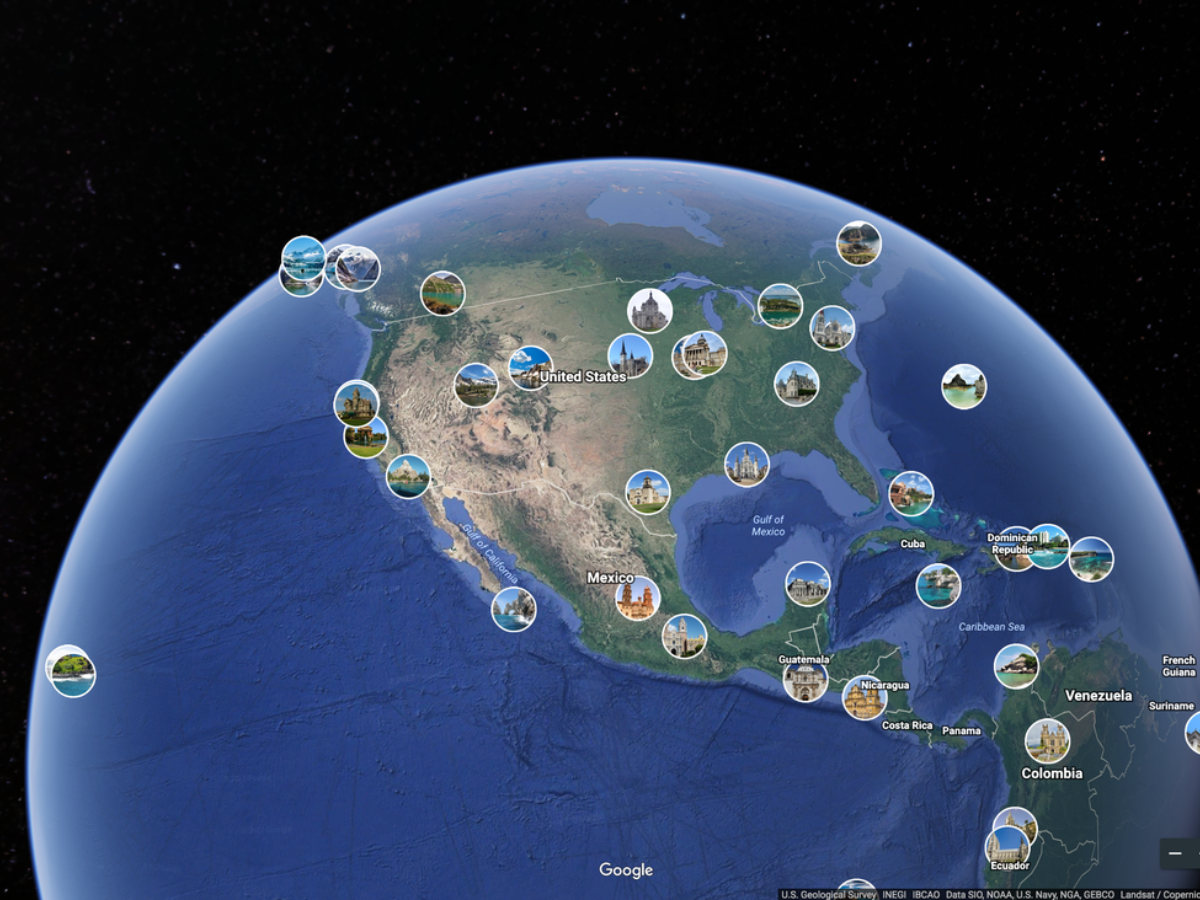
Google’s rolling out more features on its Earth AI platform, using geospatial AI to help communities get ready for natural disasters. The company says these tools have already helped millions during emergencies. Take the 2025 California wildfires Google Maps and crisis alerts reached 15 million people in Los Angeles, guiding them to shelters and safer routes.
Their flood forecasting services now cover over two billion people worldwide. Groups like World Vision rely on these forecasts to get food and clean water to places hit hardest by disasters.
Google just launched something new: Geospatial Reasoning, powered by Gemini AI models. It pulls together satellite images, population data, and weather forecasts, giving a clear picture of complicated disasters. Organizations can see which spots face the highest risk and what infrastructure might get hit. Non-profits like GiveDirectly use these insights to find communities that need aid fast. Google’s inviting social impact groups to become Trusted Testers, so they get early access to these features and can boost their disaster response.
Now, Earth AI is built right into Google Earth, so users can analyze satellite images and spot patterns almost instantly. Water companies track rivers drying up and warn people about dust storms. Authorities watch for algae blooms in water supplies before they become a health risk. At first, these tools are available in the US for Google Earth Professional and Advanced users, and if you’re on Google AI Pro or Ultra, you get access to even more data. This upgrade lets organizations make quicker, smarter decisions in a crisis.
Google’s also making Earth AI models for imagery, population, and environmental monitoring available on Google Cloud. Businesses and organizations can mix their own data with Google’s models to keep tabs on risks, respond to crises, and tackle tough environmental problems. This means global teams can make better calls, spot early warnings, and react faster when emergencies hit.
Earth AI’s already making a difference around the world. The WHO Regional Office for Africa uses it to predict cholera outbreaks in the DRC, helping with water, sanitation, and vaccine planning. Companies like Planet and Airbus track deforestation and keep an eye on vegetation near power lines to prevent blackouts. Google’s goal? To make disaster planning and environmental monitoring quicker, smarter, and just more effective for everyone.
Swastika Sruti is a Senior Sub Editor at NewsX Digital with 5 years of experience shaping stories that matter. She loves tracking politics- national and global trends, and never misses a chance to dig deeper into policies and developments. Passionate about what’s happening around us, she brings sharp insight and clarity to every piece she works on. When not curating news, she’s busy exploring what’s next in the world of public interest. You can reach her at [swastika.newsx@gmail.com]
A viral video of Benjamin Netanyahu has triggered widespread speculation on social media, with some…
A Bangladeshi national, Philip Sangma, has been arrested in West Bengal for allegedly facilitating the…
The central government has directed households that already have piped natural gas (PNG) connections to…
