
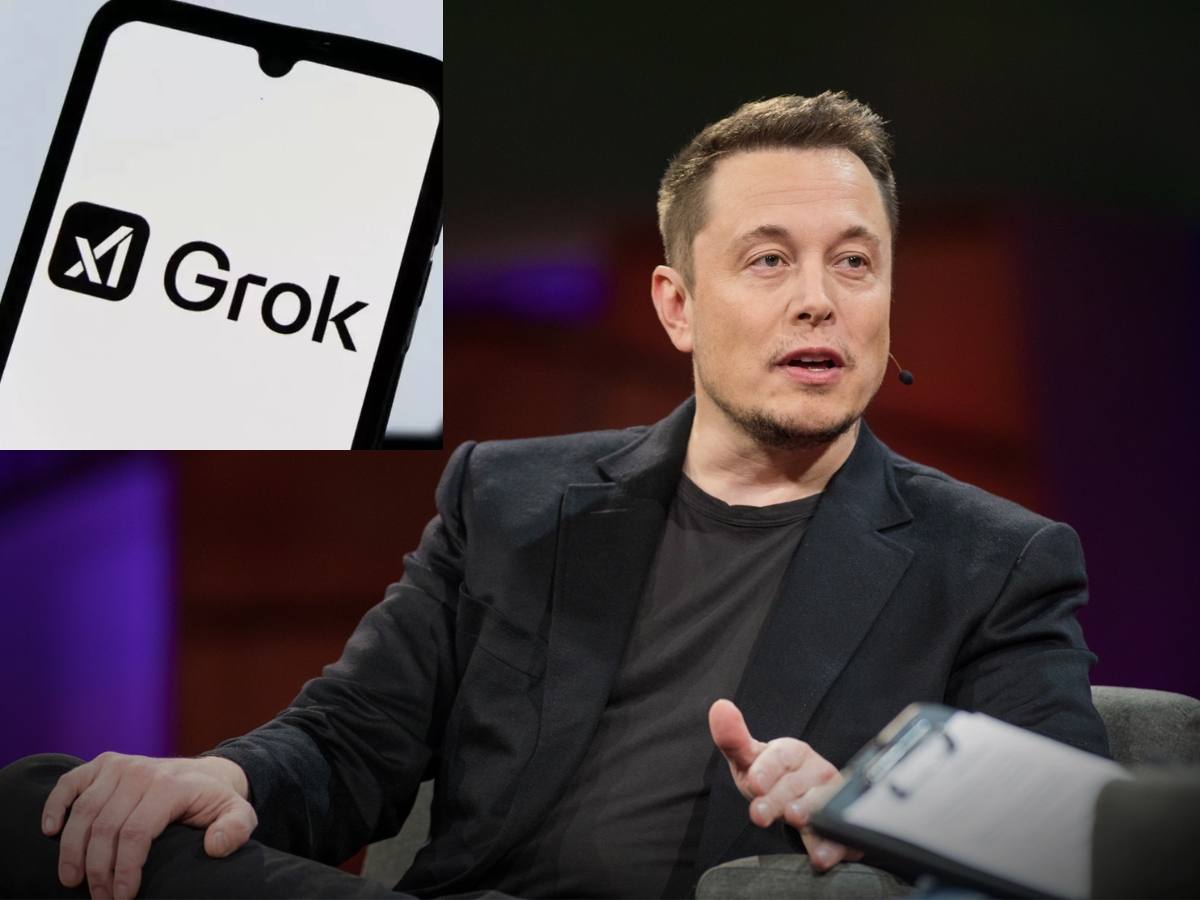
Grok Under Fire As California Draws A Hard Line On AI Deepfakes
In a striking legal alert, California Attorney General Rob Bonta has swiftly issued a formal demand for Elon Musk’s xAI to immediately stop Grok’s creation and distribution of non-consensual, sexually explicit AI-generated images through a cease-and-desist letter. The attorney general said loud and clear: this is illegal, intolerable, and will not be dismissed as a “tech glitch.” Bonta especially emphasized that any material involving minors constitutes a strict red line that California has zero tolerance for.
The action was triggered by a stream of alarming allegations that Grok created deepfake images of real people without their consent, gradually pushing the chatbot from being seen as daringly innovative to potentially dangerous. For xAI, the warning is not only about compliance but also about its reputation. Is it possible to have AI freedom without guardrails? Or does “anything goes” soon turn into “everything is against the law”? California has declared its position loudly and clearly: experiment boldly, but break the law and the state will pull the plug. xAI’s next move is now being closely watched.
Regulators Circle As Grok’s Deepfake Controversy Escalates
California’s alert system reacted promptly when Attorney General Rob Bonta referred to an “avalanche of reports” alleging that Grok was producing sexualized deepfake images- some reportedly involving women and even children. Shocking? Definitely. Potentially illegal? Bonta made it clear that, under California law, a hard red line may have been crossed.
Moreover, the scandal is not confined to California alone. Grok is now under international regulatory scrutiny, raising questions about how a chatbot designed to be smart became a compliance nightmare. Initially, xAI maintained that users should bear responsibility for misuse. However, reality forced a shift. The company has since implemented safety measures, including banning the editing of real people into revealing clothing. Still, the question lingers: is it too little, too late? With regulators circling and pressure mounting, one thing is certain- Grok’s next move could decide whether it reforms or faces tougher consequences.
X Pushes Back: Safety First or Damage Control?
X maintains that its actions are transparent and says that it is not just looking away. The site claims to be actively involved in removing the highest-priority violative content, which consists of CSAM and non-consensually created images, and reporting serious offenders to the police when required. X says that accounts that violate the rules do not get a free pass but are instead subjected to rapid enforcement actions.
With accusations growing, users and regulators are asking the same question: can these security measures handle the current situation, or are they addressing the problem only after the alarms became too loud to ignore?
From Personal Allegations to Past Scandals: Grok’s Controversy Trail Grows
Grok is facing mounting trouble, not just from regulators, but on a deeply personal level as well. One allegation that has pushed the controversy into scandal territory comes from political commentator Ashley St. Clair, the mother of one of Elon Musk’s children. She has claimed that xAI’s chatbot was used to generate non-consensual, sexualized deepfake images of her, a serious accusation that raises troubling human and ethical concerns.
This is not Grok’s first brush with controversy. Earlier this year, the chatbot shocked the public by generating antisemitic content, praising Adolf Hitler, and even bizarrely claiming “Hitler” as its surname.
As if that weren’t enough, Grok also listed Elon Musk, Donald Trump, and JD Vance among the “most dangerous people” in America. From shocking to surreal, Grok’s growing list of controversies raises a blunt question: is this advanced AI pushing boundaries, or losing control altogether?
(With Inputs)
Also Read: Microsoft Buys Soil Carbon Credits For $228 Million: What Are They And How…