Xiaomi 17 T India Launch
Chinese smartphone manufacturing giant Xiaomi is expanding its portfolio in India. The company has teased the launch of Xiaomi 17T in India on 4th June whereas the company will launch the Xiaomi 17T and 17T Pro in the global market on 28th May 2026. The Xiaomi 17 series already consists of five devices: the Xiaomi 17, Xiaomi 17 Pro, Xiaomi 17 Pro Max, Xiaomi 17 Ultra, and Xiaomi 17 Max. After the launch of 17T and 17T Pro, the lineup will have a total of 7 devices.
For anyone who followed Xiaomi closely back in the day, the T series coming back is a bit of a moment. The last time India got a T series phone was in 2021, when the Xiaomi 11T and 11T Pro landed here. After that, nothing. The lineup simply stopped showing up in India while the rest of the world kept getting it. Now, three years later, Xiaomi is bringing it back, and the timing feels deliberate. The premium mid-range space in India has gotten crowded and expensive, and Xiaomi clearly wants a bigger piece of it.
Xiaomi has confirmed the 17T will launch in India on June 4, making it the first T-series device in the country since the Mi 11T in 2021. The global unveiling for both the 17T and 17T Pro happens on May 28, a week before the India event. India is only getting the standard 17T for now. The Pro variant is sitting this one out, at least for the time being. That is not unusual for Xiaomi India, which tends to be selective about what it brings in to avoid competing against its own flagship Xiaomi 17.
Nobody knows the official price yet, and Xiaomi is keeping that card close to its chest until June 4. That said, the leaks and analyst estimates are pointing toward a starting price somewhere around Rs 55,000 to Rs 60,000 for the base 12GB plus 256GB variant, with higher storage options going up from there. If that holds, it would slot the 17T comfortably below the Xiaomi 17, which currently starts at Rs 89,999 in India, giving buyers a more affordable entry point into the Xiaomi premium ecosystem.
The Xiaomi 17T is reportedly built around a 6.59-inch 1.5K AMOLED display with a 120Hz refresh rate. That is a genuinely strong screen for the price. A 1.5K AMOLED panel means colours will look punchy and blacks will be deep, while 120Hz keeps everything feeling fluid whether you are scrolling, gaming, or just flipping between apps. It is the kind of display you usually find on phones that cost more.
Under the hood, the phone is reportedly running the MediaTek Dimensity 8500 Ultra on an octa-core setup, paired with 12GB RAM and 256GB storage as the starting configuration. The Dimensity 8500 Ultra is a solid chip. It handles gaming without much trouble, manages AI tasks well, and runs cool enough for everyday use. It is not quite at the level of the top-end Snapdragon 8 Elite, but it gets close enough that most users will never notice the difference in day-to-day use.
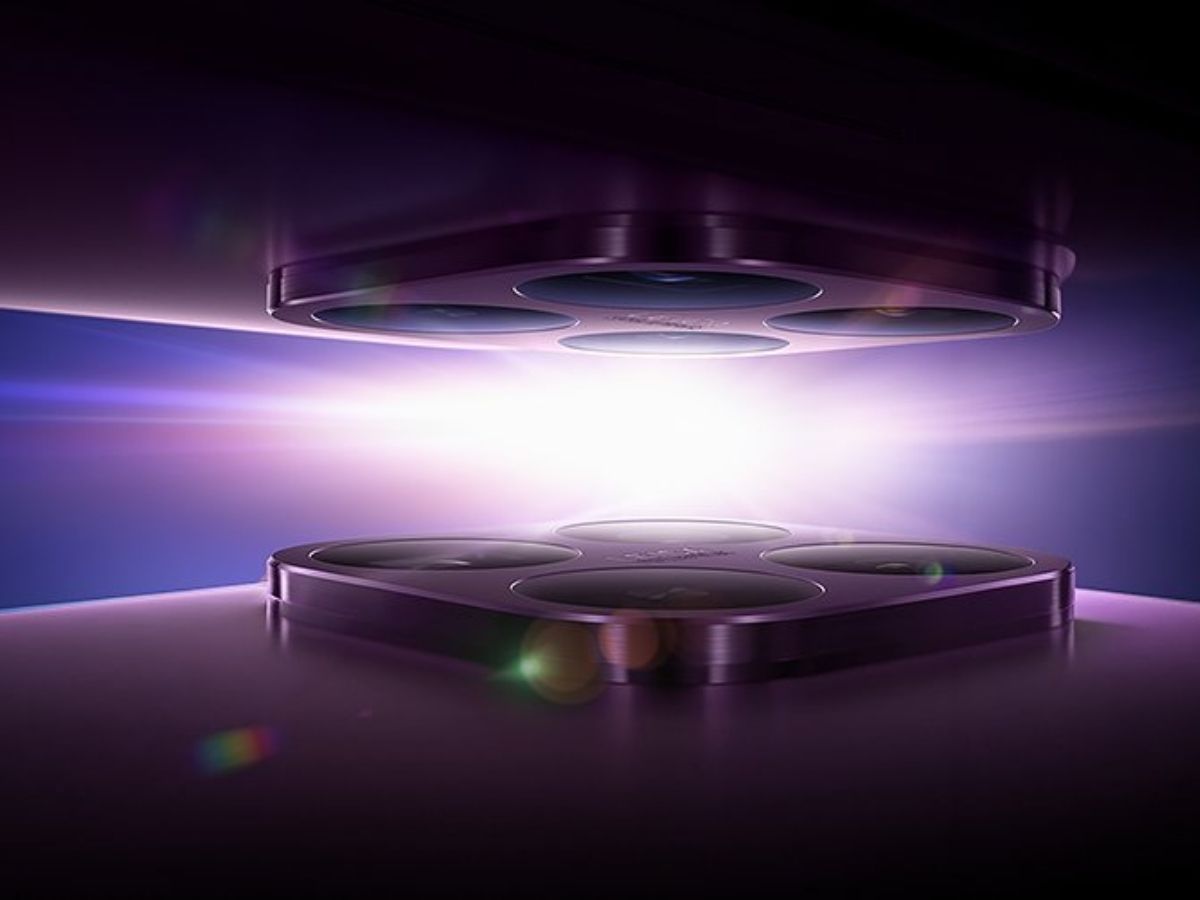
This is where Xiaomi is clearly placing its biggest bet. The India teaser used the line “Distance no longer decides the shot,” which makes the focus on zoom photography pretty obvious. The camera system is reportedly Leica-tuned and includes a 50MP main sensor, a 50MP 5x optical periscope telephoto, a 12MP ultrawide, and a 32MP front camera.
A 50MP periscope telephoto with 5x optical zoom is not something you normally find at this price range. That kind of hardware usually shows up on phones north of Rs 80,000 or Rs 90,000. If the Leica tuning delivers the kind of colour accuracy and detail it has on other Xiaomi flagships, the camera alone could be reason enough to consider this phone.
The phone is expected to pack a 6,500mAh silicon-carbon battery, with at least 67W wired charging confirmed on paper, though FCC filings hint that the final product could support up to 100W charging. A 6,500mAh cell is generous by any standard. Most users will comfortably get through a full day and then some. And if the 100W charging number turns out to be real, topping up will be quick enough that battery anxiety becomes a non-issue entirely.
The phone is expected to carry IP68 and IP69 ratings, along with NFC and an IR blaster. The dual IP rating is worth highlighting. IP68 covers prolonged underwater submersion, while IP69 adds resistance to high-pressure water jets. Together, they make for a phone that can genuinely handle real-world conditions. The IR blaster is a small addition that a lot of people overlook until they actually use it to control their TV or AC without hunting for a remote.
Syed Ziyauddin is a media and international relations enthusiast with a strong academic and professional foundation. He holds a Bachelor’s degree in Mass Media from Jamia Millia Islamia and a Master’s in International Relations (West Asia) from the same institution.
He has work with organizations like ANN Media, TV9 Bharatvarsh, NDTV and Centre for Discourse, Fusion, and Analysis (CDFA) his core interest includes Tech, Auto and global affairs.
Tweets @ZiyaIbnHameed
Pravin Tarde's Deool Band 2 blends faith with social issues such as farmer distress, family…
50:30:20 budgeting rule is a simple salary management system dividing take-home income into 50% needs,…
OUT | Nagaland State Lottery Result Today 23.05.2026, Sambad Dear Vision 1 PM Saturday Bumper…
