
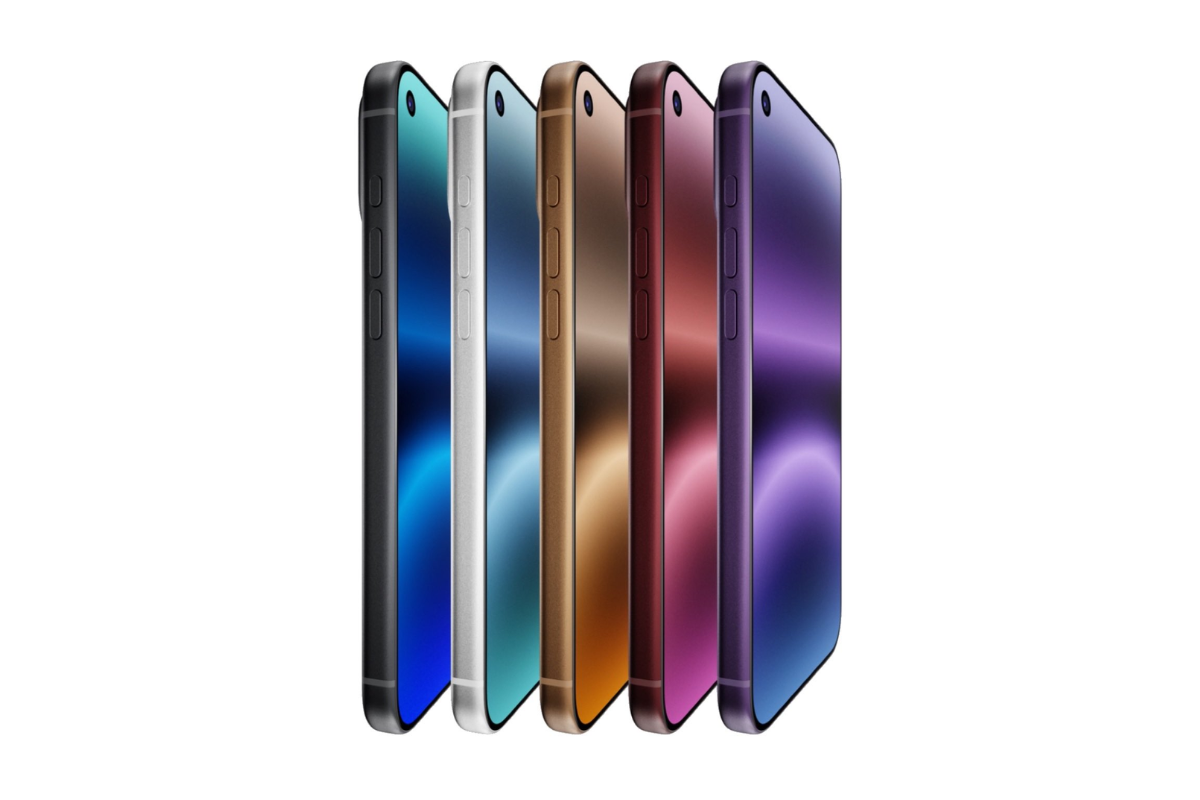
US-based tech manufacturing giant, Apple is working hard to maintain the price of its upcoming flagship lineup, the iPhone 18 series, instead of the rise in production cost across the tech industry due to ongoing RAM and memory crisis. The company is trying to deliver a device that improves performance, enhances usability, and remains competitive in the global dynamic smartphone market. Here are the most significant updates shaping the iPhone 18 and its potential impact on users.
Apple Finds Smart Ways to Cut Costs
The company is implementing innovative strategies to manage production costs while preserving the flagship reputation of the iPhone for quality and reliability. These measures consist of:
Previous-generation display panel: The company is not expected to use the latest display technology, but these panels still deliver a high-quality visual experience that aligns with user expectations. This strategy helps the company manage manufacturing costs without sacrificing screen performance.
Pressure-sensitive camera button: The company may replace the more expensive capacitive sensing technology in the upcoming iPhone 18; this tactile button design is both cost-effective and responsive making sure that the cost is reduced while offering a decent user experience.
Streamlined A20 chipset: The single chip design, blended with performance tiering through binning, allows for efficient production while fulfilling a wide range of customer needs.
Taken together, these moves let Apple hold the iPhone 18’s starting price at $799. That matters a lot when rivals are quietly raising theirs.
A Cleaner, Sharper Look
The Dynamic Island is getting smaller this time around, and Siri is moving right into it. It sounds like a small thing, but it actually changes how you interact with the top of the screen every day. Less clutter, more function.
The bigger change is under the surface, literally. Face ID sensors are going under the display, which means no cutout, no pill shape, no visible hardware on the front at all. The phone will just look like a screen. Apple has been working toward this for years, and it finally seems to be happening.
Your Selfies Are About to Get Much Better
The front camera is jumping from 18 MP to 24 MP. If you shoot a lot of video calls, reels, or just the occasional selfie, you will notice the difference. Sharper detail, better low-light shots, and more flexibility when cropping. It is a straightforward upgrade that most people will actually use.
More RAM, Smarter Chip
The base model gets 12 GB of RAM, up from 8 GB in previous versions. That is a 50 percent jump, and it should mean fewer apps reloading in the background and smoother performance when you have a dozen things open. The A20 chip has fewer GPU cores than you might expect, but it is built for efficiency, which should help the battery last longer through the day.
AI That Feels More Personal
iOS 27 brings a few AI features that are worth paying attention to. Wallpapers will be generated based on your preferences rather than picked from a fixed gallery. Shortcuts will predict what you are likely to do next and set things up before you even think to ask. There is also a built-in grammar checker that works across the phone, not just in one app. None of these are flashy announcements, but they are the kind of thing you notice after a week of use.
Smoother Connections, Better Privacy
Apple’s new C2 modem handles the switch between Wi-Fi and mobile data more cleanly than before. If you have ever watched your phone stubbornly cling to a weak Wi-Fi signal instead of switching to cellular, this is meant to fix that. The modem also adds stronger privacy protections baked in, which Apple has been pushing as a differentiator against Android for a while now.
Two Launches
Apple is splitting the iPhone 18 roll out into two phases. The Pro models and a foldable iPhone Ultra are coming in Fall 2026. The standard iPhone 18 follows in Spring 2027. It is an unusual move, and it signals that Apple is managing supply carefully rather than trying to launch everything at once. If you are waiting for the base model, you will be waiting a little longer than usual.
Syed Ziyauddin is a media and international relations enthusiast with a strong academic and professional foundation. He holds a Bachelor’s degree in Mass Media from Jamia Millia Islamia and a Master’s in International Relations (West Asia) from the same institution.
He has work with organizations like ANN Media, TV9 Bharatvarsh, NDTV and Centre for Discourse, Fusion, and Analysis (CDFA) his core interest includes Tech, Auto and global affairs.
Tweets @ZiyaIbnHameed





