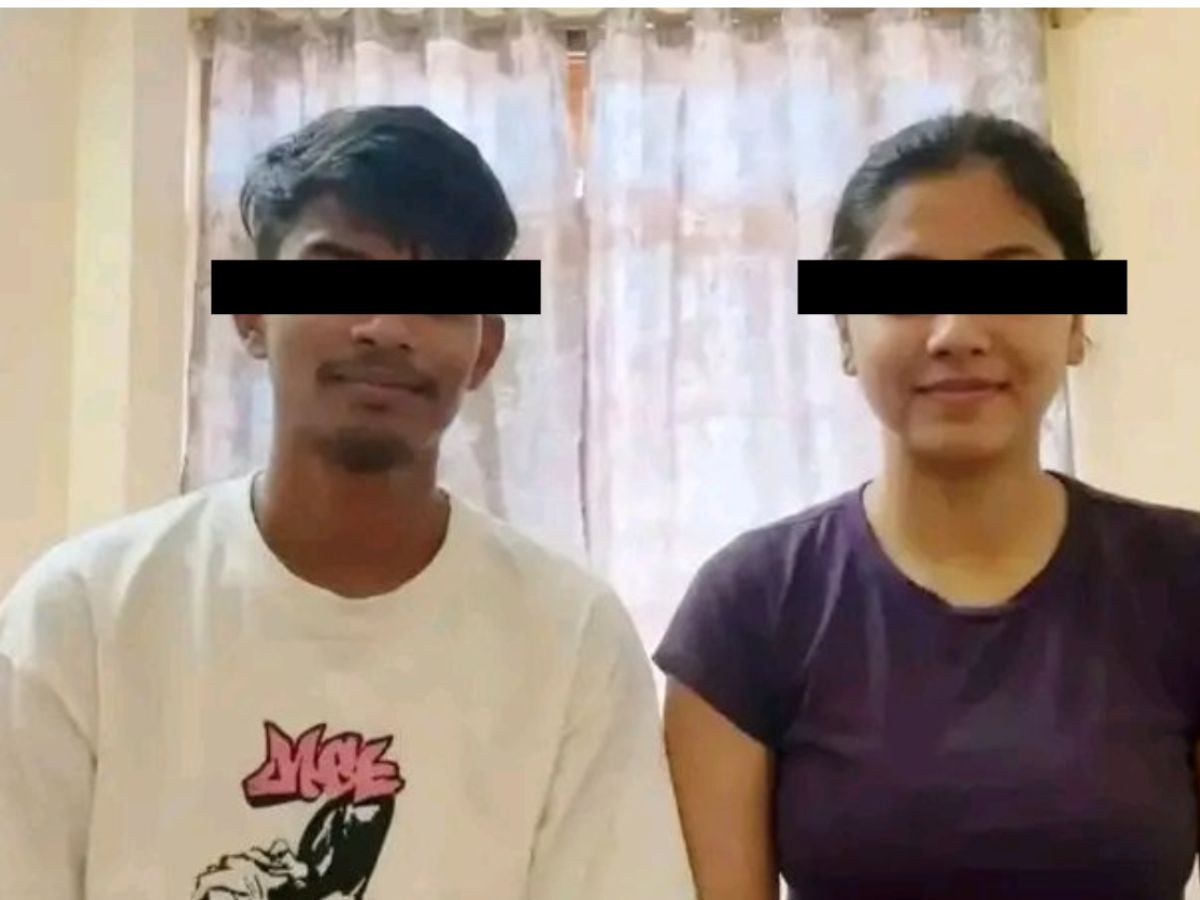
19 Minute Viral MMS: Why Are Scammers Targeting Girls?
In the end of November 2025, a video claiming to be 19 minutes and 34 seconds in length started to go viral on social media platforms with the scandalous suggestion that it was a hotel room recording showing a young couple having sexual intercourse or doing something very intimate. Nevertheless, the origins of the recording has yet to be confirmed. The video has not been validated by any reputable media source or fact checking organization, nor have the authorities revealed the names of the alleged individuals. The video has been buzzing around among cybersecurity specialists who think it may be a deepfake or a digitally modified piece particularly as ‘Season 2’ and ‘Season 3’ labeled versions of the video are surfacing, which is a common trait of AI generated fake media.
Even though there is doubt about its truthfulness, the video has gone viral and the resulting chaos has severely impacted the reality of the situation. A lot of innocent people particularly young women, including those creating and influencing content have been scandalized, and thus have to go through the awful experiences of harassment and abuse, plus being mistaken for the woman in the video. One such case is an influencer who publicly denied her participation in the affair and begged her followers to stop tagging her, saying that she was not at all like the woman in the video. Apart from the loss of reputation, this incident has highlighted how digital misinformation and deepfakes can quickly ruin lives, even when the allegations are totally unfounded.
Sharing or even just viewing this type of content not only causes harm to the person’s social and emotional life, but also exposes the person to serious legal and security risks. According to Indian law, and specifically the IT Act of 2000 and parts of the IPC, the distribution or forwarding of any content that is obscene or non consensually intimate can result in a prison sentence of 5 years as well as a heavy monetary penalty. In addition to this, cybersecurity experts are warning that a lot of the links that promise to give ‘the full video’ are in reality phishing traps or places where malware is distributed, whose goal is to steal sensitive information like personal or banking credentials. Thus, the authorities have given a very strong recommendation to the public not to click such links and not to share or forward the clip even unknowingly so as not to attract legal consequences and put themselves at the personal risk.
LPG Cylinder Price Hike: The price of domestic LPG cylinders has been raised from Saturday,…
The Miss Germany Awards 2026 grand finale unfolds at Bavaria Studios in Munich, celebrating women…
Pakistan Petrol And Diesel Prices Surge announcement created instant panic in the fuel stations in…
