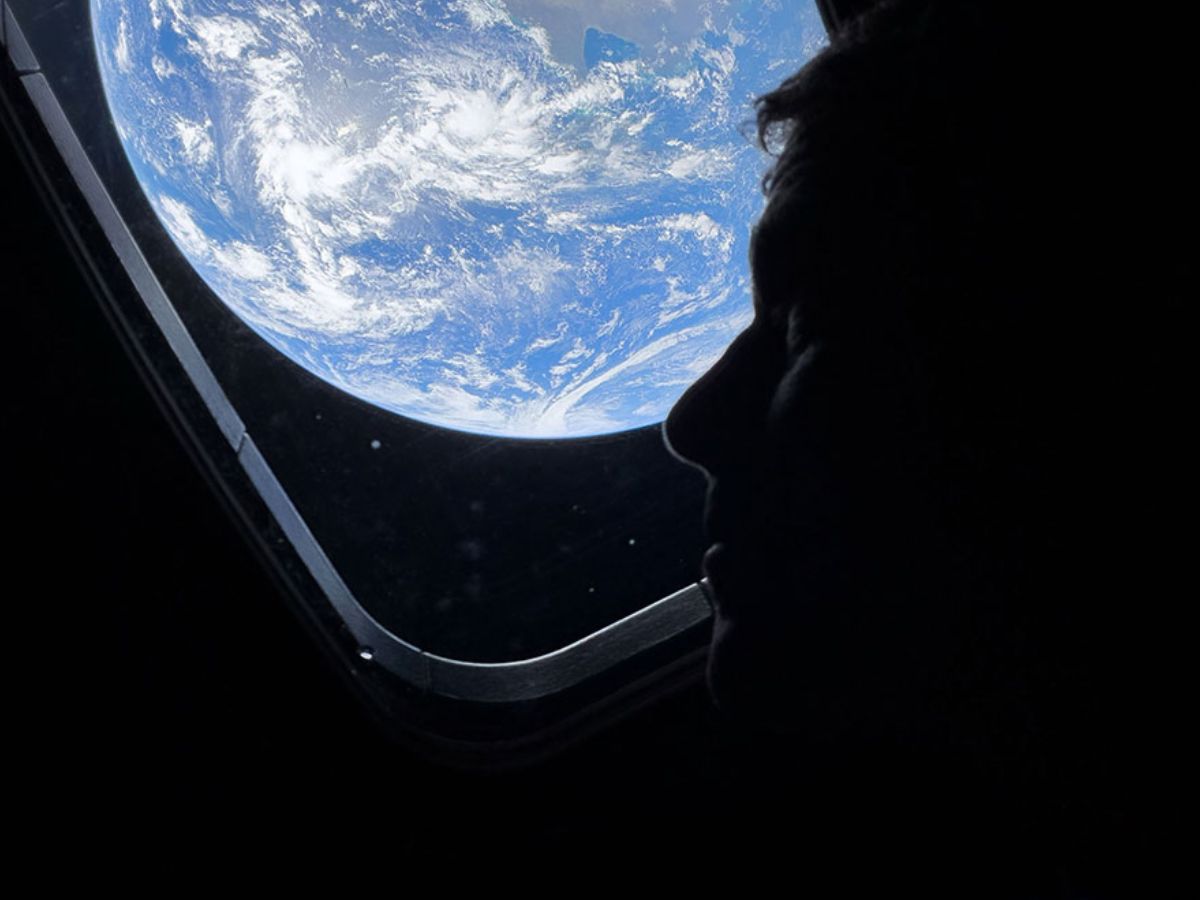
Artemis II Communication Blackout: Why NASA Lost Contact With Orion For 40 Minutes — Explained In Detail, What Happened Next (Photo: @astro_reid via X)
Artemis II mission of NASA had a slight but anticipated communications loss as NASA flew around the moon, which temporarily disconnected the mission control and the Orion spacecraft, some 40 minutes. Although this loss of signal may seem alarming, it was a part of the mission and had been predicted long before NASA engineers. This was the moment when Orion passed behind the Moon in its lunar flyby, and the spacecraft was on the far side, and it cannot communicate directly with Earth.
NASA explained that The blackout occurred as the Moon physically blocked the radio signals between the Earth and the spacecraft, which is a familiar problem in lunar missions. There are no functioning relay satellites in the far side of the Moon and therefore communication is impossible whenever a spacecraft enters the far side. The blackout had been factored into mission schedules as NASA had estimated the loss of signal to start at a certain time and continue about 40 minutes. This time, there was a complete stop in all voice communication, telemetry, and real-time transmission of data between the ground control and the crew.
There was quietness on the earth, but things went on smoothly on board Orion. The astronauts, which included Reid Wiseman, Victor Glover, Christina Koch, and Jeremy Hansen, observed pre-established procedures because the spacecraft was autonomous and depended on its onboard systems to serve as the course and carry out essential duties. It is also worth mentioning that the blackout coincided with the closest approach of Orion to the Moon and it was a very important stage of the mission. After the spacecraft re-appeared on the far side of the Moon, communication connections were again in place and normal operations were taking place without any hitches.
The Artemis II mission has already made a significant milestone in human space exploration. In the trip, the crew covered over 252,000 miles, which was more than what had been covered during the Apollo era. Since the lunar flyby, Orion is currently on a free return orbit back to Earth but this time with a safe path home without any significant changes in propulsion. The mission will end with a splashdown in the Pacific Ocean off California, approximately 10 days in space, which will be followed by future Artemis missions to put people back on the Moon.
Online Viral MMS Video Leaks of Indian Actresses Spark Privacy Concerns
Several Indian actresses have, at different points, found their private moments exposed online—incidents that not…
Rajasthan Royals will host Mumbai Indians in Guwahati for another exciting IPL 2026 encounter. There…
Assam Police searched Congress leader Pawan Khera's Delhi home amid the continuing issue surrounding Congress's…
