
Epstein Files Roll Out in Phases, Keeping Public Guessing
On December 19, 2025, the Department of Justice at last opened up the long-anticipated “Epstein Library,” making a considerable amount of documents available under the Epstein Files Transparency Act. But if you were hoping for a huge pile of documents all at once, then you better think otherwise.
The law provided December 19 as the ultimate deadline; however, the DOJ has only made the first batch available, still a really huge group of several hundred thousand pages.
Deputy Attorney General Todd Blanche has assured that more releases will be made over the next two weeks, citing the review of the documents as the reason for the delay. For readers, it feels more like a thriller series where the disclosure is divided into episodes, and every release brings more questions, encourages deeper investigation, and keeps the public clicking the refresh button.
What Does “Redacting” Mean In The Epstein Files?
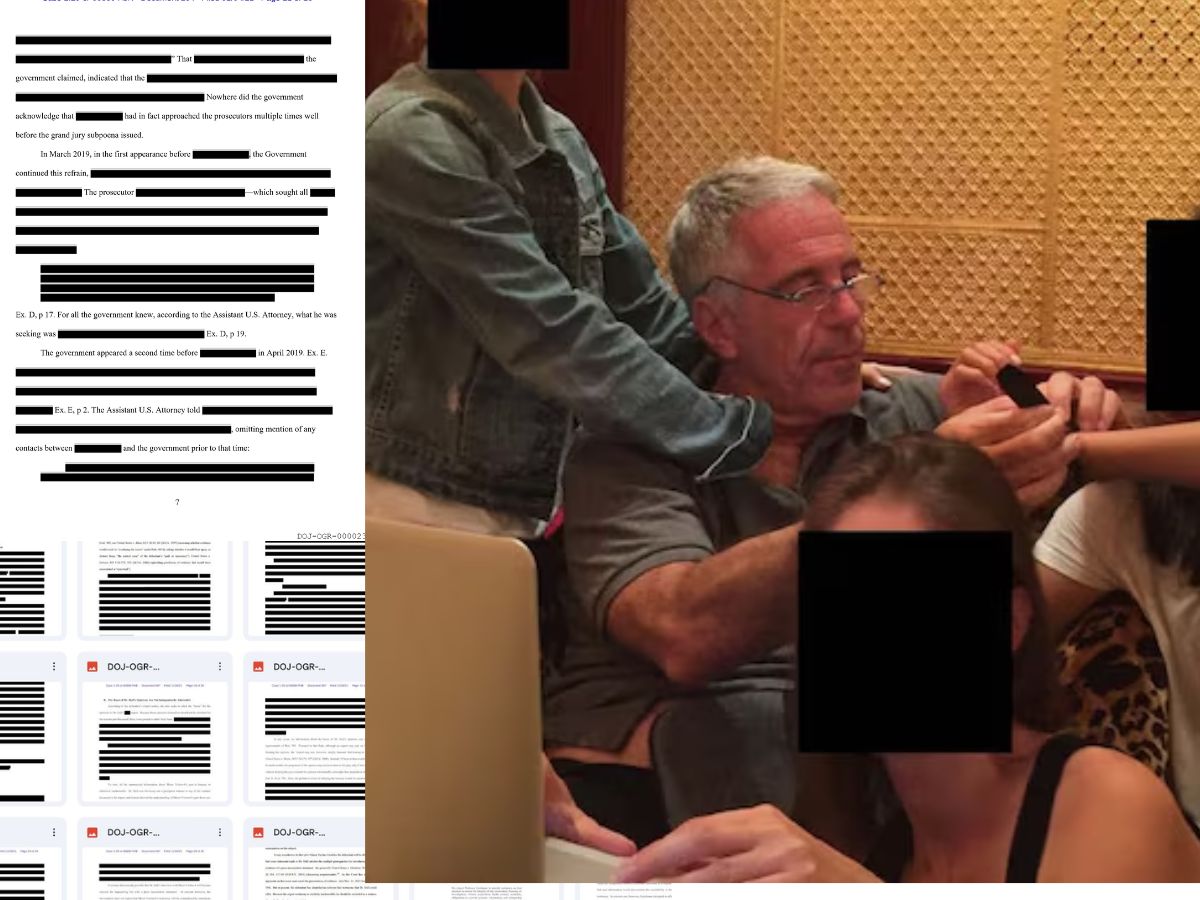
When the Epstein documents started to come out, the term redacting was the one that grabbed the most attention right away. Simply put, redacting is the practice of preventing the release of sensitive information by removing or concealing it beforehand. In the Epstein documents, this is usually shown by very thick black bars or hidden sections covering text or images. These redactions are primarily meant to protect the anonymity of victims, safeguard sensitive personal data, and withhold details linked to ongoing investigations. The release was intended to promote transparency, but the heavy redactions have instead become a focal point of public debate and curiosity surrounding the term itself.
Why Are The Epstein Files Redacted?
The Epstein Files Transparency Act requires redactions for several legal and safety reasons:
-
Victim Privacy: Protecting the identities and personal information of over 1,200 survivors and their families
-
Illegal Content: Removing any Child Sexual Abuse Material (CSAM) or graphic abuse imagery
-
Ongoing Investigations: Preventing interference with active or future federal probes
Related Post -
Sensitive Personal Data: Eliminating social security numbers, addresses, and phone numbers to prevent identity theft
Netizens Go Crazy and Frustrated After Seeing Redacted Epstein Files: Here’s How the Internet Is Reacting
Controversy Surrounding The 2025 Release
The December 19 release has sparked sharp criticism due to extensive redactions:
-
Fully Blacked-Out Records: Lawmakers, including Senate Minority Leader Chuck Schumer, highlighted that some key documents, such as a 119-page grand jury transcript, were entirely redacted
-
Legal Pushback: Critics argue the DOJ is “over-redacting” to shield high-profile individuals, allegedly violating the law’s requirement to justify each redaction in writing
-
Anonymity Concerns: Redactions have allowed influential figures to remain listed as “John Doe” or “Jane Doe” in flight logs and photos, despite the law stating records cannot be hidden merely to avoid embarrassment