Israel Backs US Ceasefire With Iran, But Draws Clear Line On Hezbollah
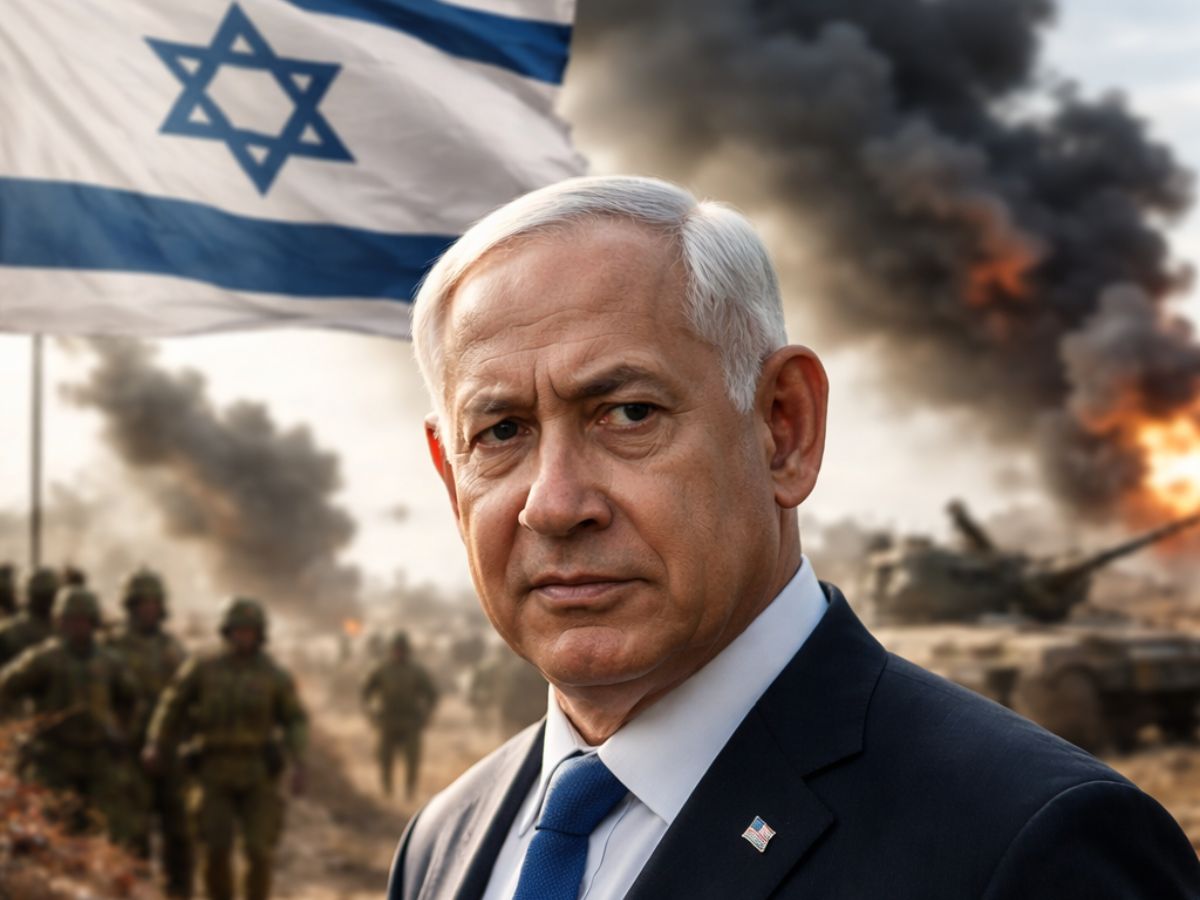
Israeli Prime Minister Benjamin Netanyahu has endorsed the US decision to pause military activity against Iran for a period of two weeks, but he specifically stated that the truce does not apply to Lebanon or to Hezbollah. This announcement comes at a very chaotic time in the Middle East when many different conflicts are occurring simultaneously, raising concerns that all of these conflicts could result in a larger war in the region.
The ceasefire proposed by US President Trump is intended to give both sides an opportunity to negotiate and to reduce immediate hostilities. Israel has agreed to support the ceasefire; however, they set certain conditions that must be met before they can fully support this ceasefire, including Iran must cease hostilities and allow free passage through the Strait of Hormuz, which is a key shipping route for oil throughout the world.
While Netanyahu has expressed support for the US proposed ceasefire, he stressed that the ceasefire is limited to the conflict between Israel and Iran and does not apply to Hezbollah in Lebanon. He indicated that “this ceasefire does not include Lebanon”; therefore, it is highly likely that the Israeli Defence Force will continue conducting military operations against Hezbollah in Lebanon.
As a result of recent events, there has been confusion regarding the participation of Lebanon in any potential agreements brokered by outside parties including the Prime Minister of Pakistan, Shehbaz Sharif. Despite his claims, the Israeli government holds firm to its position that Hezbollah is a uniquely different threat from any other group; therefore, it must be dealt with accordingly and separate from any potential agreements involving Iran.
As per reports Hezbollah has temporarily stopped all military operations against northern Israel and Israeli National Defense Forces positioned in Lebanon due to the announcement of ceasefires. However, at this time there has been no formal confirmation of such activity by Hezbollah; therefore, the validity of these reports is questionable.
At this time, the State of Israel continues to issue evacuation orders for areas of Southern Lebanon; this is indicative of increased levels of activity in these areas that will require military intervention by other parties involved in the Lebanon conflict (i.e., Syria, Hezbollah, and Iran). The ongoing conflict between Israel and Hezbollah is expected to persist well beyond the implementation of the ceasefire between Israel and Iran.
Outside of the current military conflict between Israel and Hezbollah, ongoing violence in Lebanon has resulted in a humanitarian crisis. Reports indicate that more than 1,500 individuals have been killed as a direct result of Israeli airstrikes in Lebanon; this includes more than 130 children and approximately 100 women. In addition, approximately 1.2 million people have been forced from their homes as a result of the ongoing violence in Lebanon.
The Lebanese military is warning those who fled to not return to their homes just yet because things are still too volatile, due to constant bombardment and dangers from unmarked landmines. The majority of these civilians have been affected by the war in southern and eastern Lebanon and parts of Beirut, making it impossible for them to begin picking up the pieces in their lives.
The ceasefire presents an opportunity for negotiation, and negotiations for peace are expected to begin in Karachi (Pakistan) soon. The Iranian government has already put forth a formal proposal containing various demands to lift economic sanctions and reduce the US military presence from the region.
Experts indicate that getting to a final agreement will be extremely challenging due to the continued substantial discord surrounding Iran’s nuclear capabilities and the activities of groups such as Hezbollah.
Although some relief may result from the temporary ceasefire, the environment remains highly unstable. Hezbollah was specifically excluded from the agreement between Israel and Hamas, which illustrates how divided the region is and also indicates that there are multiple concurrent areas of armed conflict.
Khalid Qasid is a media enthusiast with a strong interest in documentary filmmaking. He holds a Master’s degree in Convergent Journalism from AJK MCRC. He has also written extensively on esports at Sportsdunia. Currently, he covers world and general news at NewsX Digital.
Amazon may cut up to 14,000 more jobs after already laying off around 16,000, potentially…
Are Fuel Prices Getting Cheaper After US-Iran Ceasefire? Check Out Today’s Petrol, Diesel Prices
Petrol and Diesel prices are expected to be cheaper after the Iran-US ceasefire. Read more…
PSG vs Liverpool Live Streaming: Where to Watch Champions League Match on TV and Online In India
The UEFA Champions League quarterfinal will feature Liverpool taking on the defending champions Paris Saint-Germain.…
