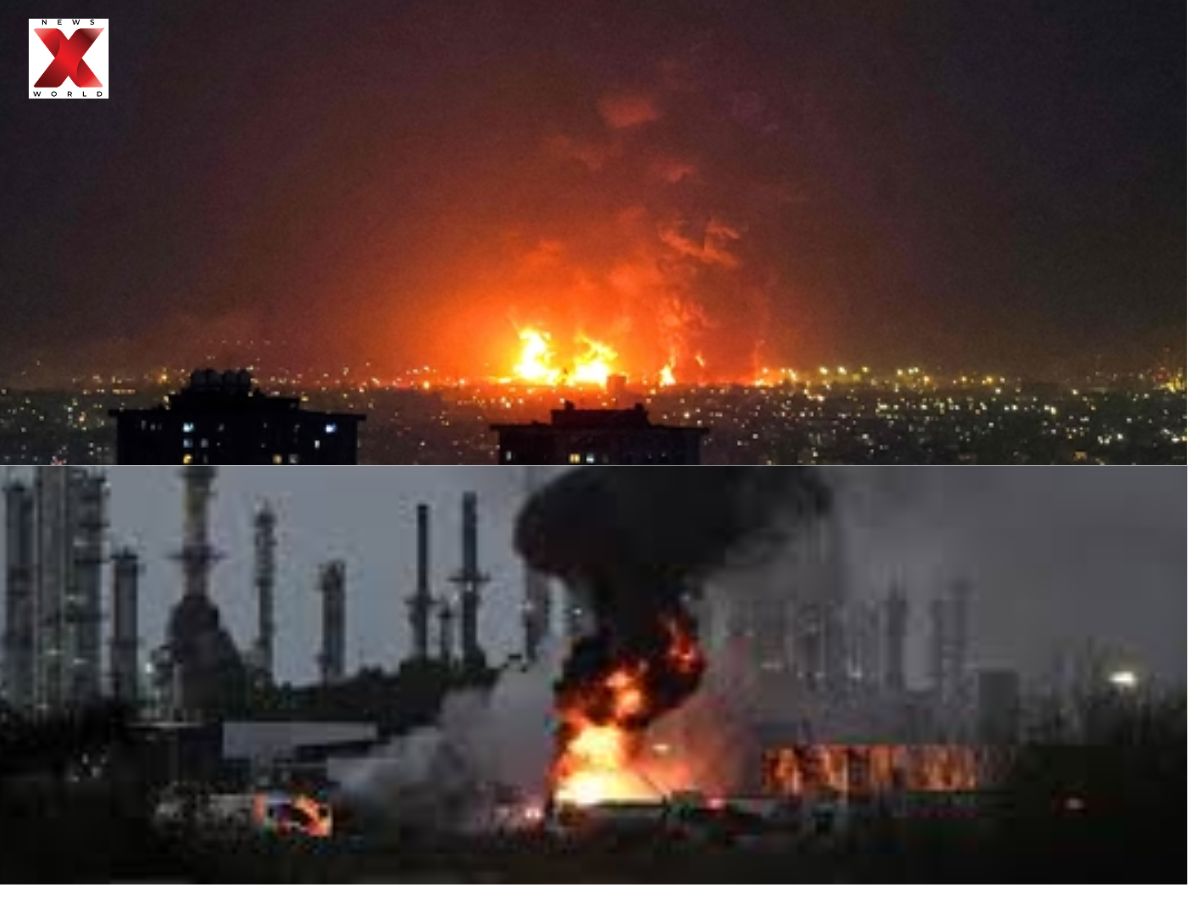
Iran, Israel Exchange Strikes on Key Oil Facilities Amid Rising Middle East Tensions
The US‑Iran‑Israel war has already damaged the energy sector through an Iranian missile attack on Israel’s Haifa oil refinery, which followed US and Israeli strikes on an oil depot in Tehran. Markets and nations are watching closely.
The energy battle in the Middle East intensified over the weekend as Iran and Israel conducted attacks against each other’s oil facilities. Iranian state media reported that Tehran launched Khyber-Shakan missiles at Israel’s Haifa oil refinery on Sunday, a vital energy source for northern Israel. The strikes were a response to previous attacks on Iranian locations, continuing a pattern of reciprocal strikes between both sides.
US and Israeli forces conducted an operation against an oil storage facility in southern Tehran the previous day, according to reports. The official IRNA news agency of Iran confirmed the attack, attributing it to the “Zionist regime” and the United States.
Markets, energy analysts, and global watchers are now on high alert. The military operations, which include missile launches and airstrikes, will create disruptions to oil markets while initiating conflicts over territorial disputes. Traders and observers are closely monitoring how this volatile pattern will affect energy prices and international political dynamics.
The current strikes, which target major oil facilities, have transformed energy sites into critical conflict zones. The conflict reached its highest intensity when Iran launched attacks against Israel’s Haifa refinery, and US-Israeli forces conducted operations against Tehran’s oil facility, which made investors and analysts fearful about future developments. The facilities function as essential local resources because they supply power to multiple regions, which means that any service interruption will affect international energy markets.
According to experts, multiple attacks have already created oil price surges, trigger economic and geopolitical disturbances. The two countries stay silent about their military losses, yet the operational effects create strong psychological impacts.
For traders, diplomats, and global watchers, every missile launch and airstrike is more than a headline-it’s a signal of potential market volatility and shifting alliances. As regional tensions develop, the present events require special observation because they show that energy resources and geopolitical matters have become permanently interconnected.
(With Inputs Fro Reuters)
Aishwarya is a journalism graduate with over three years of experience thriving in the buzzing corporate media world. She’s got a knack for decoding business news, tracking the twists and turns of the stock market, covering the masala of the entertainment world, and sometimes her stories come with just the right sprinkle of political commentary. She has worked with several organizations, interned at ZEE and gained professional skills at TV9 and News24, And now is learning and writing at NewsX, she’s no stranger to the newsroom hustle. Her storytelling style is fast-paced, creative, and perfectly tailored to connect with both the platform and its audience. Moto: Approaching every story from the reader’s point of view, backing up her insights with solid facts.
Always bold with her opinions, she also never misses the chance to weave in expert voices, keeping things balanced and insightful. In short, Aishwarya brings a fresh, sharp, and fact-driven voice to every story she touches.
Although the Oslo incident has not been confirmed to be an attack, it highlights the…
IND vs ENG Live Streaming: India take on England in a high-stakes T20 World Cup…
There were also other incidents of strikes in a fuel storage facility in north western…
