
-
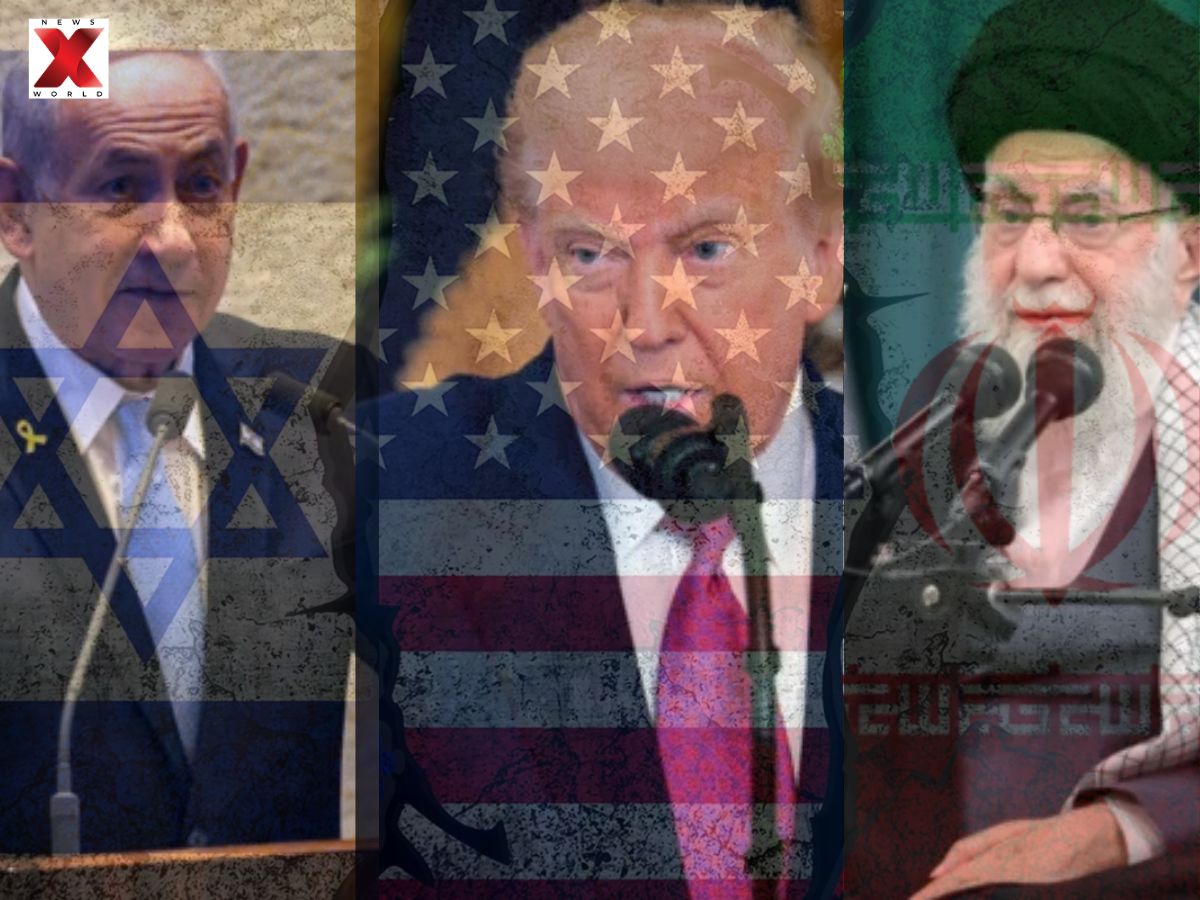
US-Israel Strikes on Tehran: Targeted oil facilities and military command sites to diminish Iranian military capabilities.
-
Iranian Retaliation: Launched missile and drone strikes against Israel, UAE, Qatar, and Bahrain.
-
Gulf Air Defense Success: Intercepted multiple missile and drone attacks; debris killed one person and injured others in Dubai.
-
Kuwait Targeting: Rockets struck US military bases at two different sites.
-
Missile Activity Decline: US CENTCOM reported a 90% decrease in Iranian ballistic missile activity since the conflict began, following destruction of over 300 launchers.
-
Military Losses Undisclosed: Both parties have not revealed their military losses, creating operational uncertainty.
-
Regional Impact: Repeated strikes affect regional stability and strategic calculations, causing psychological and geopolitical impacts.
Human and Economic Toll Mounts Amid The First Week Of Middle East Turmoil
The Middle East conflict creates new geopolitical realities while it brings about devastating human consequences. The death toll in the war has reached 1,332 people in Iran, more than 200 people in Lebanon, 11 people in Israel, and six US service members who lost their lives. Israel has escalated its military operations in Lebanon by carrying out more than 250 aerial attacks against Hezbollah targets.
Economic and Energy Impact: The conflict brings major disturbances to energy markets. Qatar has halted LNG production while multiple Gulf refineries have closed their operations, which causes crude oil prices to exceed $90 per barrel and Brent oil to surpass $92. Goldman Sachs predicts that prices may reach $100 per barrel if current conflicts continue, which creates uncertainty for worldwide energy markets.
Disrupted Trade and Travel: Iran has issued threats against US- and Israeli-linked vessels, which has caused shipping through the Strait of Hormuz to experience a near-complete stop. More than 27,000 flights have been canceled by airlines that operate in Middle East hubs, which has left thousands of travelers without transportation and shows the extensive disruption that exists outside of combat areas.
Global Watch: Traders, policymakers, and travelers observe every missile strike, refinery shutdown, and headline because human lives, energy markets, and international trade face danger.
What Were The Major Diplomatic Moves And Global Reactions In This One Week?
-
Russia Calls for Immediate Halt to Hostilities
-
Saudi Arabia Warns Iran and Boosts Diplomatic Engagement
-
Sent clear messages to Tehran: do not attack Saudi territory.
-
Signalled potential retaliation if provoked.
-
Intensified back‑channel talks with Iran to contain conflict and prevent escalation.
-
-
European Concern and Calls for Restraint
-
European leaders expressed deep concern over the widening war.
-
Urged restraint and pursuit of negotiations.
-
Highlighted the need to avoid a larger regional crisis.
-
-
Overall Impact
-
Diplomatic efforts show mounting international pressure to de‑escalate.
-
Efforts continue even as military operations in the region persist.
-
One Week Into the US-Iran Conflict: Key Developments and Regional Fallout
| Category | Key Points |
|---|---|
| The “Surrender” Narrative | – Trump claims Iran has “surrendered,” citing alleged behind-the-scenes pleas. – Tehran publicly maintains a defiant stance. – Trump has begun discussing a post-war Iranian government. |
| Gulf Under Fire | – Iran continues retaliatory strikes against UAE, Qatar, and Bahrain. – Targeting aims to punish US allies hosting coalition forces. |
| The Command Vacuum | – Following the death of the Supreme Leader, the IRGC operates in a fractured state. – Unpredictable “lone wolf” missile launches occur across the Gulf. |
| Global Fallout | – Oil prices fluctuate sharply. – Qatar’s LNG production halt triggers energy scrambling across Europe. |
What Is India’s Take In This Crisis? India’s Measured Approach Amid Middle East Tensions
The Indian government handled Middle East tensions by prioritizing citizen safety while obtaining necessary energy supplies. The Ministry of External Affairs executed emergency measures because over 10 million Indians live in the Gulf, which included special flights that evacuated more than 52,000 citizens between March 1 and 7 as regional airspace began to reopen. The helplines in Tehran and Tel Aviv provided continuous support for emergency needs, while students and residents from dangerous zones received protection in secure areas.
New Delhi has not released any statements regarding military attacks but has concentrated its efforts on delivering humanitarian assistance. The arrival of an Iranian ship at Kochi port demonstrated India’s cautious response to the existing turmoil. India maintains energy security as its main priority because it continues to buy oil from the Strait of Hormuz region while increasing its oil supply from new extraction sites in Australia, Canada, and the U.S.
India uses its diplomatic efforts and humanitarian work together with energy planning to maintain its national interests throughout unpredictable situations.
(This article has inputs from ANI, PTI And Reuters)
Also Read: United We Stand: Netanyahu Honors Israel’s Defenders, Vows Full-Force Action Amid Escalating….