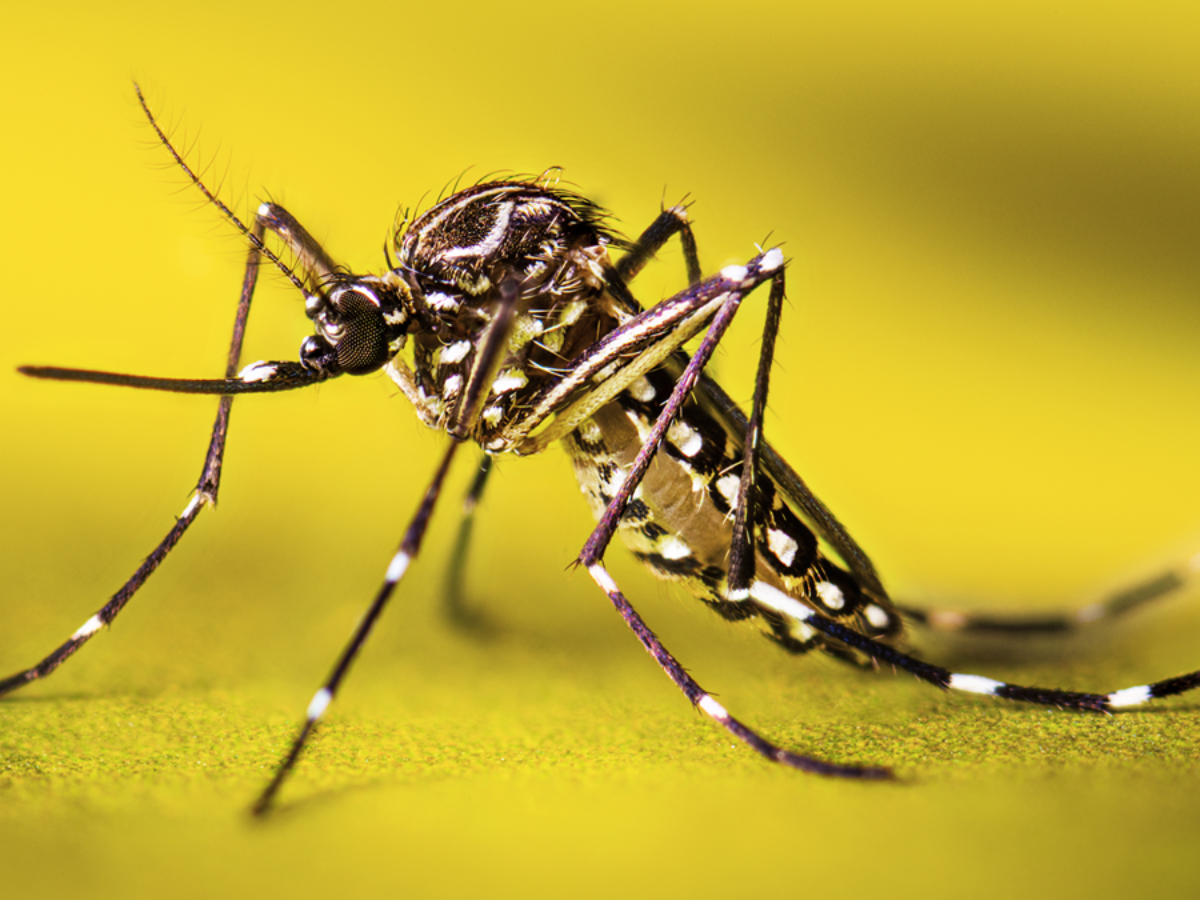
Scientists are dropping live mosquitoes out of drones in Hawaii
In the lush forests of Hawaii, scientists are turning to an unlikely saviour: mosquitoes. Not the blood-sucking kind we swat away, but specially bred, non-biting male mosquitoes dropped by drones to help rescue Hawaii’s endangered honeycreepers small, colourful songbirds now on the brink of extinction.
These lab-raised mosquitoes carry a unique strain of bacteria that blocks reproduction when they mate with wild females. The goal? To crash the mosquito population and, in turn, curb the spread of avian malaria the disease that’s been wiping out the native birds.
The operation, led by the coalition “Birds, Not Mosquitoes,” began in late 2023. Since then, researchers have released over 40 million of these special mosquitoes across bird habitats in Maui and Kauai. Using drones allows teams to cover vast, hard-to-reach rainforest terrain, targeting the areas where avian malaria is spreading the fastest.
“This creates an invisible barrier,” explained Chris Farmer, Hawaii program director at the American Bird Conservancy. “It stops the mosquitoes from reaching the forests where these birds still live.”
Once fluttering across the islands in vibrant numbers, honeycreepers are now vanishing at an alarming rate. Of the 50 known species, 33 are already gone. Among the survivors—like the Kiwikiu and ʻĀkohekohe on Maui and the ʻAkekeʻe on Kauaʻi many are listed as critically endangered. Farmer warns that without urgent mosquito control, “multiple native bird species will disappear forever.”
The drone-aided mosquito drops aim to buy time and slow the spread of avian malaria while longer-term conservation solutions are developed.
Hawaii’s mosquito problem began with an accident. In 1826, a whaling ship unknowingly introduced mosquitoes to the islands. Since then, the insects have thrived in Hawaii’s warm climate and brought deadly diseases like avian malaria with them.
Today, scientists are using precision, drones, and genetics to undo the damage. While it’s too early to measure impact, conservationists hope their high-flying mosquito mission can save the islands’ last songbirds before they fall silent forever.
Must Read: Macron Demands Immediate Release Of Detained French Couple In Call With Iranian President
Swastika Sruti is a Senior Sub Editor at NewsX Digital with 5 years of experience shaping stories that matter. She loves tracking politics- national and global trends, and never misses a chance to dig deeper into policies and developments. Passionate about what’s happening around us, she brings sharp insight and clarity to every piece she works on. When not curating news, she’s busy exploring what’s next in the world of public interest. You can reach her at [swastika.newsx@gmail.com]
Two people died while several others were injured after a bus lost control and overturned…
A powerful 7.6 magnitude earthquake struck near the Pacific island nation of Tonga, triggering tsunami…
Maa Kalratri: The seventh day of Chaitra Navratri, dedicated to Maa Kaalratri, is being observed…
