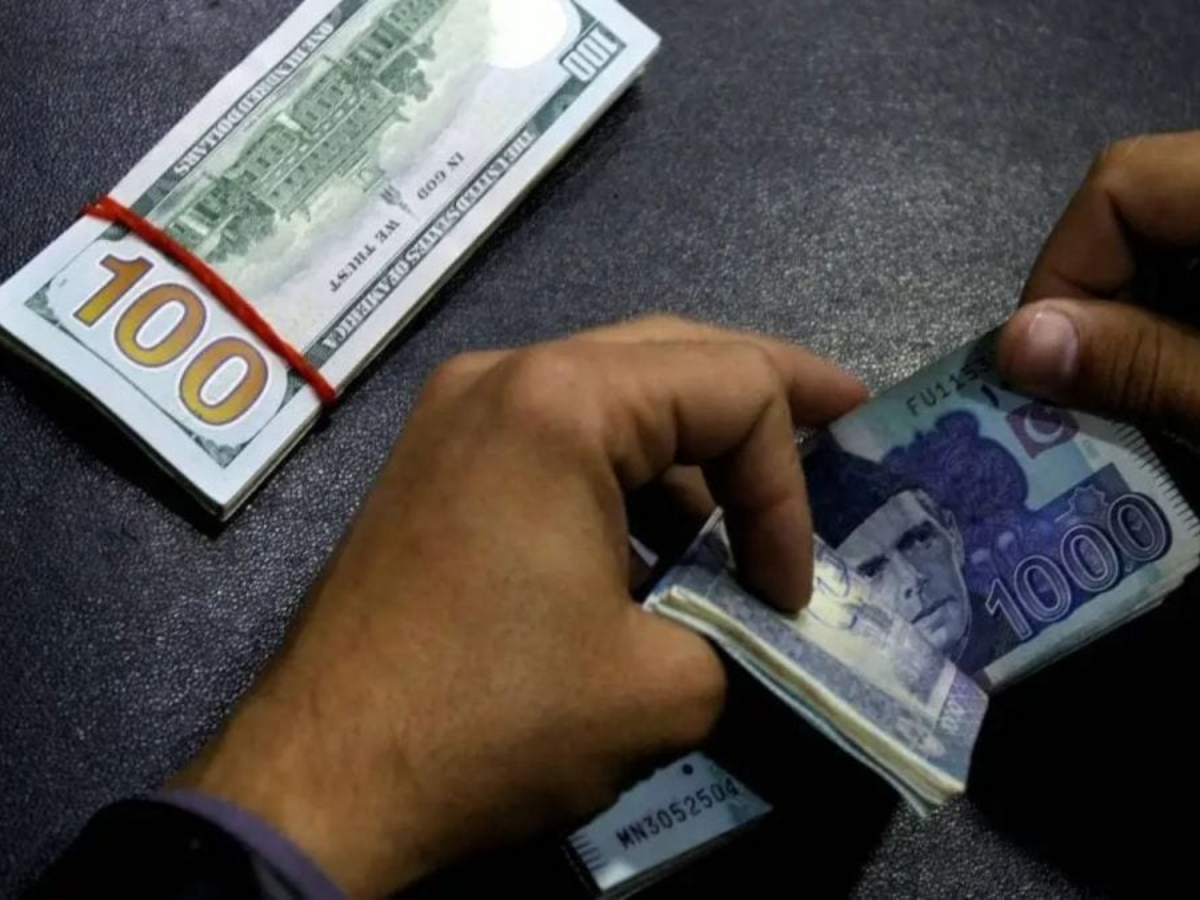
Islamabad To Repay $3.5 Billion Debt To UAE By Month-End Amid Mounting IMF Pressure
Pakistan has decided to repay its $3.5 billion debt to the United Arab Emirates (UAE) within April, according to a senior cabinet minister. The move ends uncertainty surrounding the loans, which Abu Dhabi had recently been rolling over on a short-term basis.
A portion of the debt—$450 million—dates back to 1996–97 and is set to be repaid next week, nearly three decades later.
While the government has opted for full repayment, discussions are reportedly ongoing about converting part of the debt into investment. This could help ease financial pressure while strengthening bilateral economic ties.
Sources suggest that shifting regional dynamics, including tensions linked to the US-Israel-Iran conflict, may have accelerated the UAE’s decision to seek repayment rather than continue long-term rollovers.
Earlier this year, the UAE rolled over two $1 billion loans for just one month, instead of granting Pakistan’s request for a two-year extension at a reduced interest rate of around 3%. The loans were maintained at a higher rate of 6.5%.
Under Pakistan’s $7 billion IMF programme, friendly countries—including the UAE, Saudi Arabia, and China—had committed to maintaining $12.5 billion in deposits with the State Bank of Pakistan until September next year.
Pakistani authorities have outlined the repayment schedule:
$450 million on April 11
$2 billion on April 17
$1 billion on April 23
Additionally, Pakistan will repay a $1.3 billion Eurobond on April 8, bringing total repayments for the month to $4.8 billion.
The repayments are expected to be made from Pakistan’s foreign exchange reserves, currently around $16.4 billion. Officials maintain that reserve levels remain adequate despite the significant outflows.
The UAE initially extended $2 billion to Pakistan in 2018, which has since been rolled over annually. Another $1 billion loan was provided in 2023 to help Pakistan secure an IMF bailout package.
Over time, interest rates on these loans increased from 3% to 6.5%, adding to Pakistan’s financial burden.
Prime Minister Shehbaz Sharif has acknowledged the country’s reliance on external financing, noting that much of the reserve buildup comes from deposits by allied nations.
Efforts to secure alternative financing have faced setbacks, including delays in launching a $250 million Panda Bond due to mismanagement.
Despite improvements in credit ratings and global interest rates, Pakistan has yet to secure relief in borrowing costs from lenders like the UAE.
This repayment marks a significant step in Pakistan’s effort to reduce external debt dependence, though broader economic challenges remain unresolved
(Inputs From ANI )
I am a seasoned writer with 2.5 years of experience who presently works at ITV Digital. I specializes in entertainment journalism, reporting on the newest Bollywood news as well as compelling healthy lifestyle pieces. I am master at creating material around popular issues and internet buzz, bringing unique, reader-friendly viewpoints to every item i write
Oil Prices Fall As US-Iran Talks Show Progress Amid Middle East Tensions
Oil prices closed lower after U.S.-Iran talks showed progress, though Middle East tensions and supply…
Arsenal won the Premier League 2025/26 title after Bournemouth held Manchester City to a dramatic…
Engineer Sells Child Porn For Rs 350, Earns Rs 2 Crore From Telegram Before Getting Arrested
Uttar Pradesh engineer held in Hardoi for allegedly circulating explicit child abuse content through Telegram…
