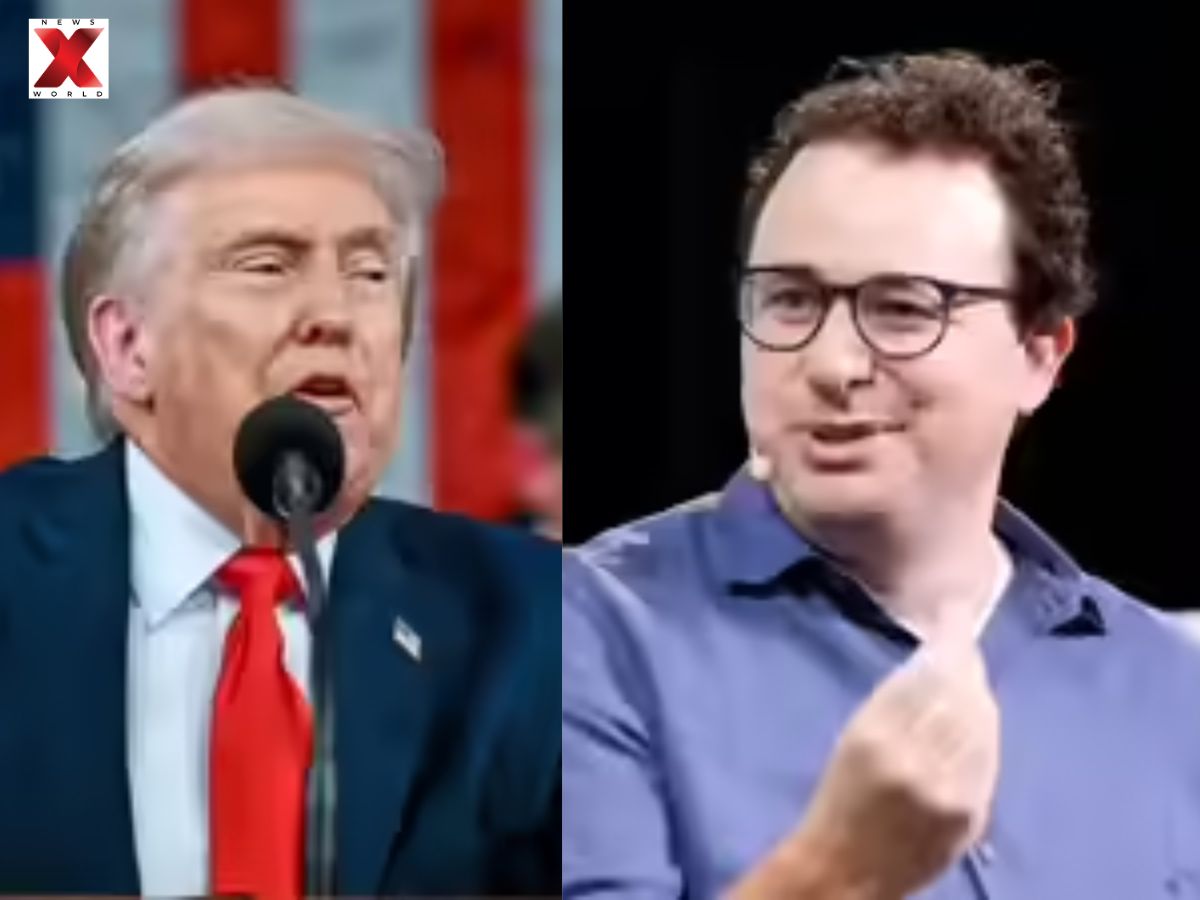
Trump vs Anthropic
Trump Orders Agencies to Stop Using Anthropic AI
Donald Trump has issued an order to federal agencies which requires them to cease all operations with Anthropic AI systems because his technical disagreement with the Pentagon has evolved into a full political battle centered on this technology.
The decision follows a public clash over how far AI should go in military operations-and who gets to draw the red lines. Most agencies need to stop their work immediately, while the Pentagon requires six months to complete its work of removing Anthropic technology from its current defense systems.
Trump described his decision by saying, “We don’t need it, we don’t want it, and will not do business with them again!” which served as his worldwide announcement about his decision to end relations with the company.
Trump warned that Anthropic might suffer “major civil and criminal consequences” if it does not complete its transition work.
The main issue behind the news reports asks whether the focus remains on AI safety or AI control. The power struggle between Silicon Valley technology development and government system implementation has reached a critical point because both sides now fight for control over military artificial intelligence.
Silicon Valley resisted military demands when Anthropic CEO Dario Amodei denied the Pentagon request for unrestricted military access to the company’s AI models because he said that they “cannot in good conscience accede” to the proposal.
The standoff begins with a fundamental question about which combat and surveillance operations artificial intelligence should be allowed to execute. The company required explicit assurances that its chatbot system would not be used for these two purposes.
The company explained that their new contract terms would let parties bypass crucial protection measures, which created security concerns for their organization and the entire artificial intelligence industry. The episode has turned into more than a contract dispute-it’s a defining test of AI ethics. The increasing power of AI systems has created a situation where innovators face an ethical obligation to maintain their systems, which leads to the question of who should control intelligent machines in the future.
The rising conflicts led Pete Hegseth to predict that Anthropic will receive a “supply chain risk” designation because it refused to accept the proposed contractual conditions, which would damage the company’s ability to work with other organizations and maintain its reputation in the technology industry.
The Pentagon officials declared their intention to use artificial intelligence for legal activities only, yet they failed to explain the specific ways the systems would be utilized in actual situations.
The Pentagon studied Defense Production Act implementation to gain technology access if negotiations were to fail, which showed the increasing national security demands for advanced artificial intelligence technologies.
At the center of the conflict is a broader global debate:
Anthropic has said it will cooperate with any transition to alternative providers if the Pentagon proceeds with ending the partnership.
The AI standoff has become more intense because people in Washington and defense institutions currently perceive artificial intelligence as a developing military technology that requires their attention. Senator Mark Warner warned that the dispute would create security risks because political interests could take priority over strategic national defense planning needs. Retired Air Force General Jack Shanahan, who previously led Pentagon AI programs, explained that current large language models still require further development before they can function as trustworthy systems for autonomous weapon operations. He also pointed out that Anthropic’s proposed safety measures currently match the existing capabilities of artificial intelligence systems.
The collection of these issues presents a fundamental inquiry which both readers and policymakers must investigate: Is the speed of artificial intelligence development currently exceeding the effectiveness of the established control mechanisms?
(With Inputs FRom Reuters)
Also Read: OpenAI Raises $110 Billion, Valuation Soars To $840 Billion With…
Aishwarya is a journalism graduate with over three years of experience thriving in the buzzing corporate media world. She’s got a knack for decoding business news, tracking the twists and turns of the stock market, covering the masala of the entertainment world, and sometimes her stories come with just the right sprinkle of political commentary. She has worked with several organizations, interned at ZEE and gained professional skills at TV9 and News24, And now is learning and writing at NewsX, she’s no stranger to the newsroom hustle. Her storytelling style is fast-paced, creative, and perfectly tailored to connect with both the platform and its audience. Moto: Approaching every story from the reader’s point of view, backing up her insights with solid facts.
Always bold with her opinions, she also never misses the chance to weave in expert voices, keeping things balanced and insightful. In short, Aishwarya brings a fresh, sharp, and fact-driven voice to every story she touches.
RRB Group D 2026: Candidates Can Apply For 22,195 Posts by THIS Date- Check Official Latest Updates
Railway Group D: The Railway Recruitment Boards (RRB) have issued an official notification for the…
March 2026 is set to bring major smartphone launches including the Nothing Phone 4a, Apple…
IND vs PAK, T20 World Cup 2026: How Can India and Pakistan Face Off Again? All Possible Scenarios
IND vs PAK, T20 World Cup 2026: India and Pakistan are on the brink of…
