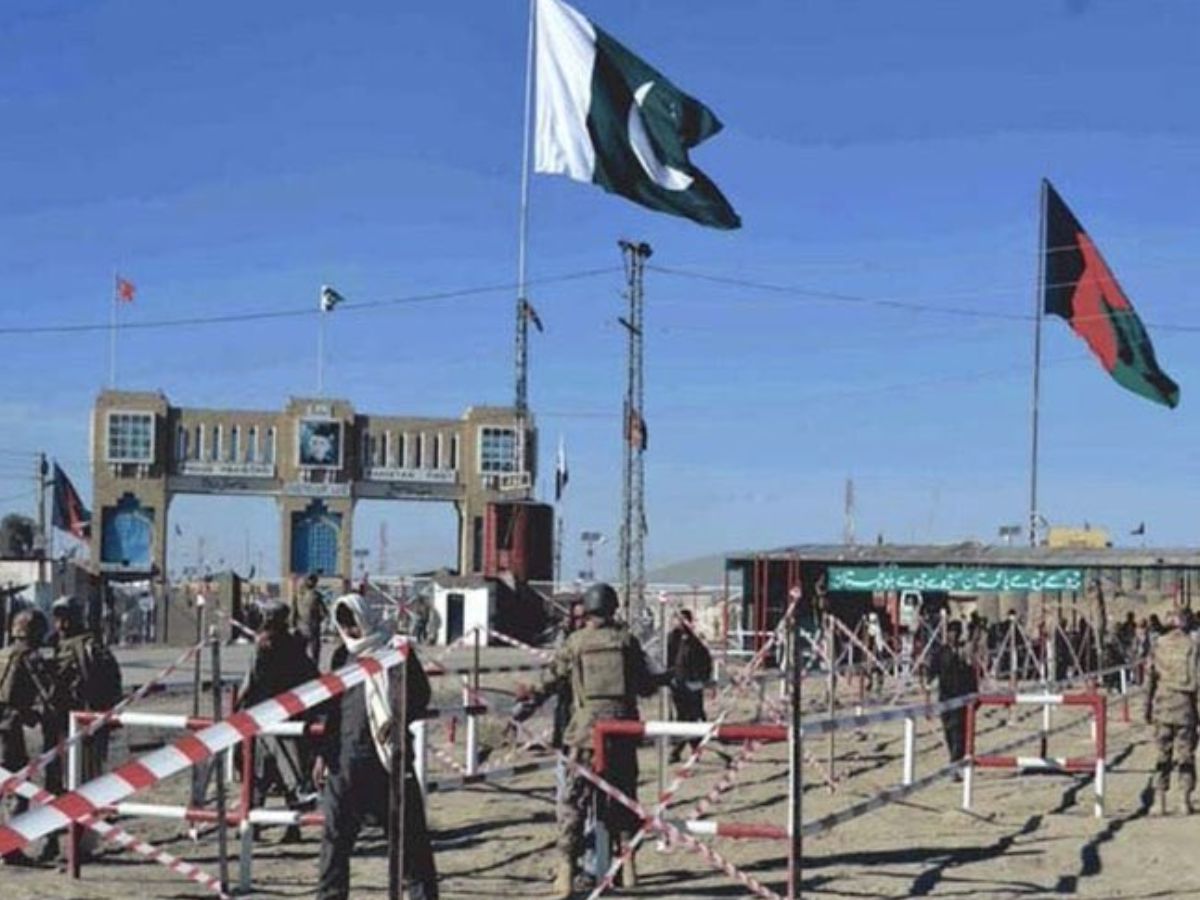
Istanbul Peace Talks Collapse: Pak-Afghan Ceasefire Deal Fails to Materialize (Pc: X)
According to Afghan state media and a Pakistani security source, the Istanbul talks regarding a long-term ceasefire between Afghanistan and Pakistan had failed to reach an agreement on Tuesday.
There was no immediate response from Afghan foreign ministry spokespersons or from Pakistan’s army and defence minister for comments on this.
Turkey-mediated peace talks aimed between Pakistan and the Afghan Interim Government collapsed dramatically, propelling the already tenuous relationship toward a possible ‘all-out war’ as voiced by none other than the Defence Minister of Pakistan himself.
Negotiations to secure a permanent ceasefire after recent deadly clashes along the border reportedly failed on account of the unwillingness on the part of Kabul to provide concrete and verifiable assurances regarding its capacity to prevent cross-border terrorism.
In this respect, Islamabad presented well-documented demands for Pakistan’s concrete action against militant groups operating from Afghan territory, especially the Tehrik-i-Taliban Pakistan (TTP). The Afghan side, however, went on to maintain that position that apparently the Pakistanis found ‘logically untenable and divorced’ from the realities of the security threats posed to Pakistan.
With the failure of this diplomatic initiative in Istanbul, the porous Durand Line border remains set for warfare, with the potential of uncontrolled escalation, casting a long shadow on the already fragile stabilization of the broader region.
The central sticking point concerns cross-border militancy. Pakistan has accused the Taliban government in Afghanistan of providing shelter to the TTP, which has increased terrorist attacks in Pakistan after its return to power in 2021.
None of the talks proposed to set up a joint mechanism for monitoring and overseeing the border, leaving the major security issue between the two countries unresolved.
In the absence of a written agreement from Kabul to dismantle such militant networks, Pakistan perceives its western border as an existential security threat, hence its firm final position that any tolerance for such groups is unacceptable and will result in retaliation, bringing into view pre-emptive strikes.
Another factor that contributed to the failure of the talks was conflict on mutual recognition and sovereignty. Pakistan’s demand for action against anti-Pakistan militants was countered by supposed demands, pressing for Islamabad to cease its alleged violations of Afghan airspace and end support for US drone operations-an issue that a Pakistani official at the talks reportedly declared to be “off the table.”
This is a glaring example of mutual distrust: Pakistan’s non-cooperation suspicions with regard to Afghanistan’s cooperation in countering terrorism, while the Afghanistan case is that Pakistan’s security operations amount to nothing less than a violation of sovereign control.
The breakdown of the Qatar-Turkey facilitation with mutual accusations of inflexibility has, in effect, put the process on hold, while there exists no clear diplomatic avenue to prevent all out-conflict situations from being attained.
A recent media graduate, Bhumi Vashisht is currently making a significant contribution as a committed content writer. She brings new ideas to the media sector and is an expert at creating strategic content and captivating tales, having working in the field from past four months.
Iran’s IRGC launched coordinated missile and drone strikes on four US airbases, damaging key military…
One Piece Anime Season Premiere: When And Where To Watch Pirates’ Thrilling New Episodes!
The legendary One Piece anime returns April 5, 2026, with high-quality animation and a seasonal…
Iran denies seeking a ceasefire, responding to Trump’s claims it was “begging” for a deal.…
