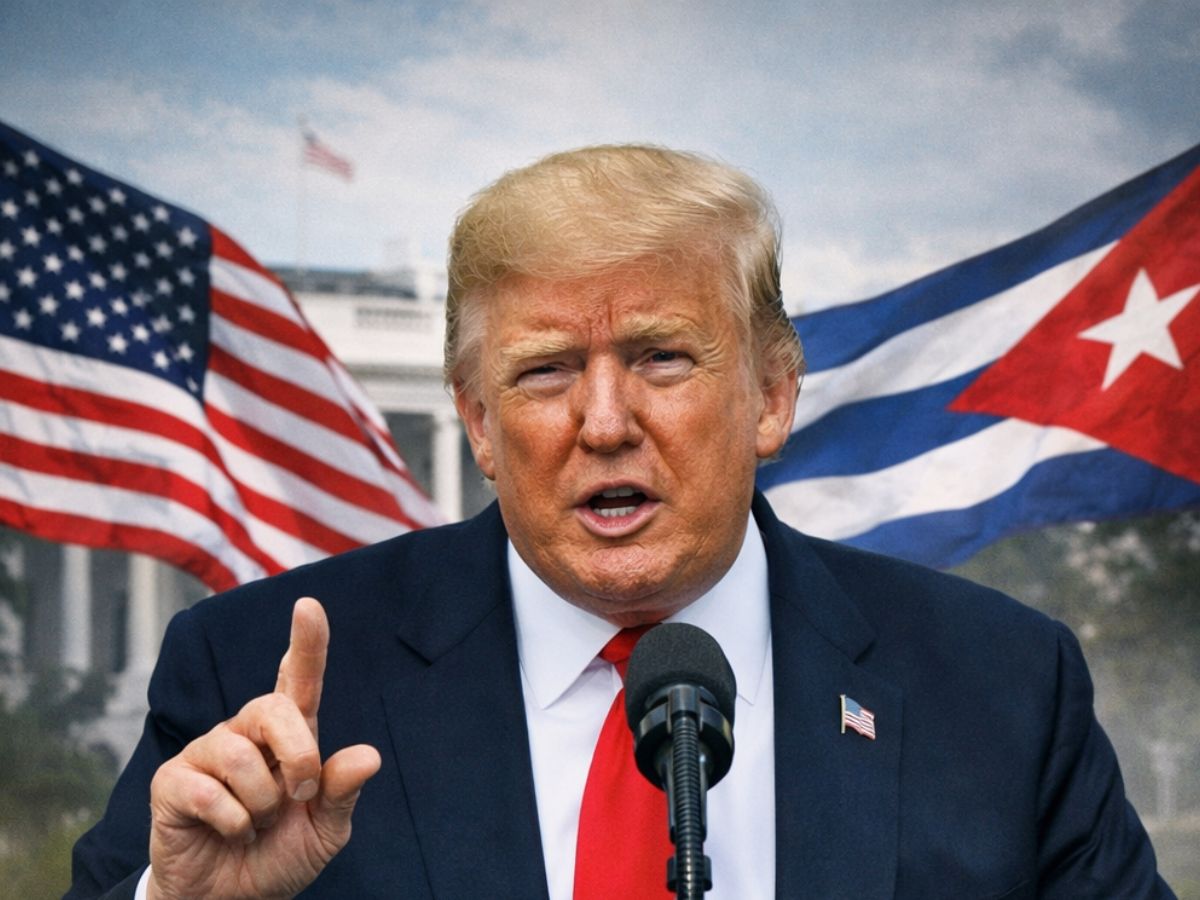
AI Generated Image
Trump Gains Senate Support for Iran Air Campaign
A majority of the US Senate on Wednesday sided with President Donald Trump’s ongoing military campaign against Iran, effectively rejecting a bipartisan effort aimed at curbing hostilities. Senators voted 52-47 against advancing a war powers resolution that sought to require congressional authorization for any US military action in Iran. The resolution was intended to assert legislative oversight over the administration’s air campaign, which has escalated following joint US-Israeli strikes on Iranian targets in late February.
The vote reflects strong Republican support for Trump’s strategy, as well as hesitancy among some Democrats to challenge the President during a period of heightened international tension. Proponents of the resolution argued that unchecked executive military authority risks dragging the US further into conflict, while opponents maintained that swift action is necessary to protect US interests and allies in the region.
Congressional Divide Over War Powers
The close vote underscores a growing divide in Congress over the scope of presidential power in military operations. Lawmakers supporting the resolution emphasized constitutional checks and balances, highlighting the importance of requiring congressional approval for extended military campaigns. Meanwhile, opponents warned that delaying or restricting military operations could endanger personnel and allies, particularly in the Gulf region where Iran has launched retaliatory strikes.
Implications for US Policy in the Middle East
By defeating the resolution, the Senate has allowed Trump to continue air operations without immediate congressional constraints. Analysts say this could embolden further US military actions in Iran, while also intensifying debate over executive authority in wartime. The decision comes amid a backdrop of regional instability, with Iran’s air defenses and infrastructure already severely compromised, and civilian air travel across the Middle East disrupted due to ongoing hostilities. The vote leaves Congress with limited tools to influence the trajectory of US military engagement in Iran, raising questions about oversight, accountability, and the broader strategy for stability in the region.
(This article has been taken from Reuters)
Aishwarya is a journalism graduate with over three years of experience thriving in the buzzing corporate media world. She’s got a knack for decoding business news, tracking the twists and turns of the stock market, covering the masala of the entertainment world, and sometimes her stories come with just the right sprinkle of political commentary. She has worked with several organizations, interned at ZEE and gained professional skills at TV9 and News24, And now is learning and writing at NewsX, she’s no stranger to the newsroom hustle. Her storytelling style is fast-paced, creative, and perfectly tailored to connect with both the platform and its audience. Moto: Approaching every story from the reader’s point of view, backing up her insights with solid facts.
Always bold with her opinions, she also never misses the chance to weave in expert voices, keeping things balanced and insightful. In short, Aishwarya brings a fresh, sharp, and fact-driven voice to every story she touches.
Nepal votes in Election 2026 after Gen Z protests ousted KP Oli; key contenders face…
Trump rated the US‑Israel campaign against Iran “15/10,” claiming success as military capabilities are weakened,…
Iraqi forces foiled a rocket attack in Basra, while US-Israel airstrikes intensify in Iran. Trump…
