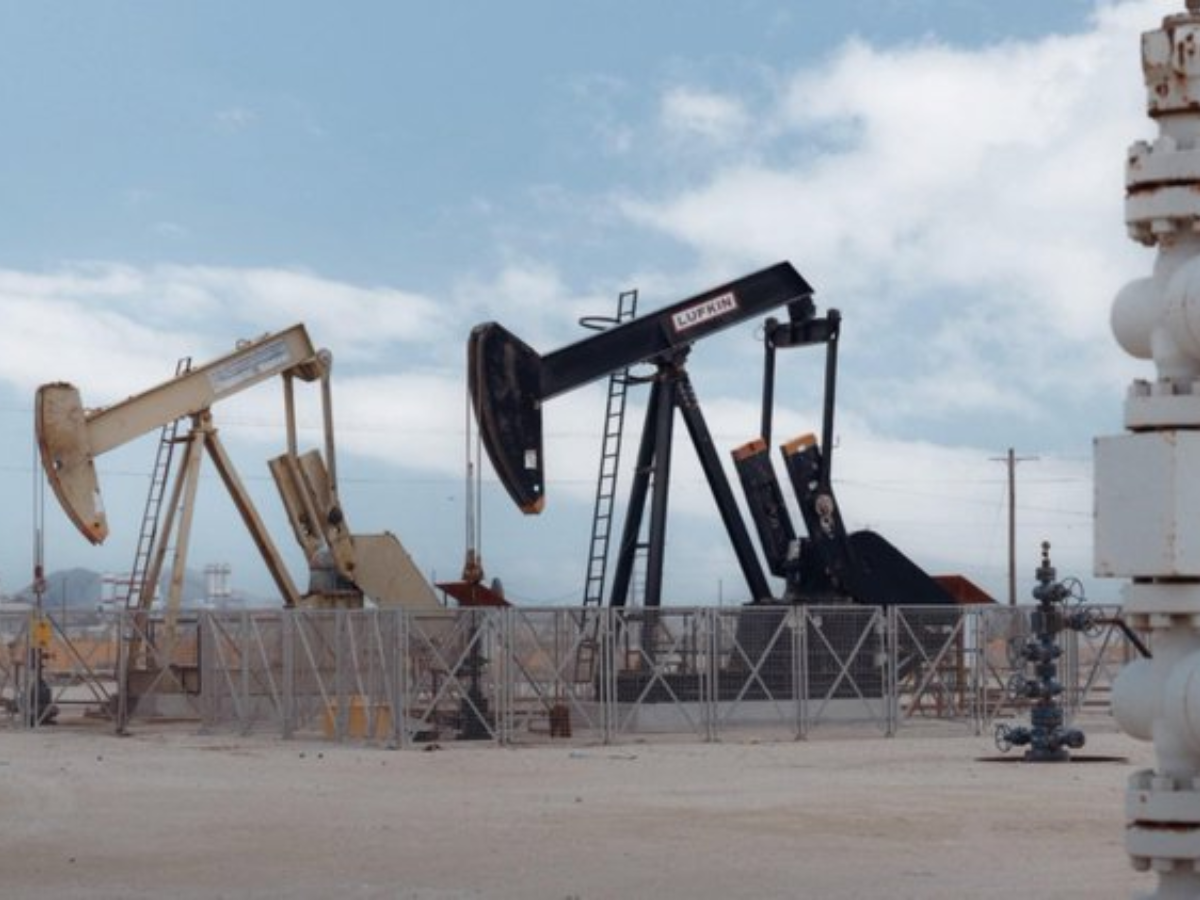
BAPCO invokes Force Majeure (Image: X/ TheCryptoJonny)
In the middle of the growing conflict in West Asia, a term from international business and law has suddenly become part of the headlines “Force majeure.” The phrase is commonly used in contracts when a company cannot meet its obligations because of events that are completely outside its control.
These events can include wars, natural disasters, large-scale accidents, government restrictions, or major disruptions to supply chains. A company only declares force majeure when it is essentially saying that the circumstances are preventing it from fulfilling its contractual commitments.
Force majeure can be explained as a clause that protects companies from legal penalties when something unexpected makes it impossible to deliver goods or services (in this case, a war). It is often used in industries like energy, shipping, and construction. Large-scale industries like this are often hit the worst when some global events disrupt operations. For example, companies can use force majeure during wars, natural catastrophes, or attacks that damage infrastructure. Once force majeure is declared, suppliers may temporarily stop shipments or delay deliveries without being held legally responsible for failing to meet their contracts.
Force majeure is now in the spotlight after Bahrain’s state-owned oil company, Bapco Energies, declared force majeure on its shipments following Iranian strikes in the region. The decision came after an attack targeted the company’s refinery complex. The attack has disrupted operations and created uncertainty around oil supplies. The move means the company may not be able to meet its delivery obligations to customers due to the situation created by the conflict.
According to reports, the refinery complex run by Bapco Energies was hit during a wave of Iranian drone and missile strikes across the Gulf. The attack caused damage to the facility and nearby residential areas, leaving 32 civilians injured, according to officials.
Following the incident, Bapco issued a statement announcing the decision. The company said it “hereby serves notice of force majeure on its group operations which have been affected by the ongoing regional conflict in the Middle East and the recent attack on its refinery complex.”
Despite the disruption, the company stressed that the country’s domestic fuel needs would still be met. It said “all domestic market needs remain fully secured and supplies will continue without disruption,” adding that contingency plans were already in place to manage the crisis.
The refinery involved is one of the most important energy facilities in Bahrain and also one of the oldest refineries in the Gulf, having started operations in 1936. Because of its role in regional oil exports, any disruption at the site can affect energy markets and shipping across the region.
Rajasthan Home Guard PET PST Admit Card 2026 OUT: Check Download Steps Here
The Rajasthan Home Guards Department has released the Rajasthan Home Guard Admit Card 2026 for…
Former JNU scholar Sharjeel Imam, accused in the 2020 Delhi riots case, granted 10-day interim…
In Bangladesh, two Hindu men were killed in separate incidents in Bogura District and Cox's…
