
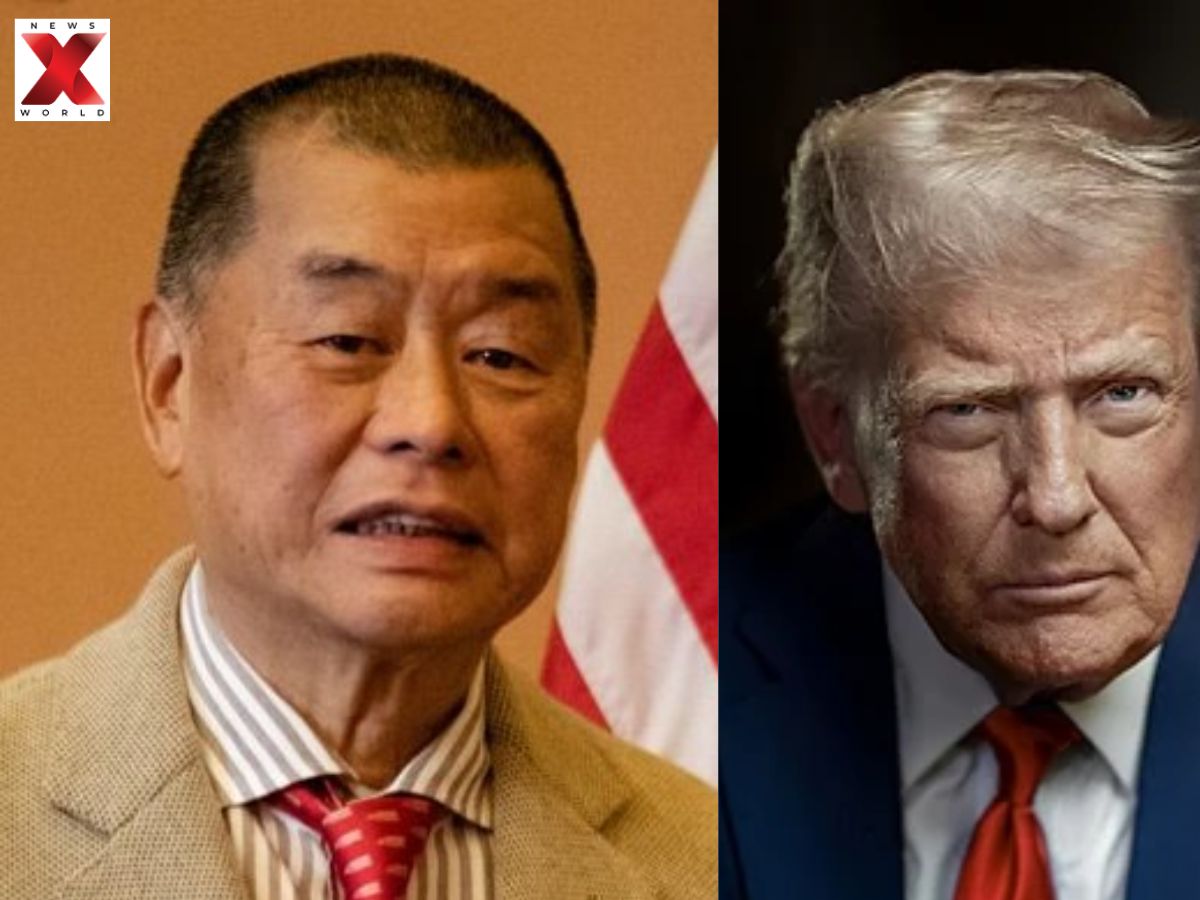
Who Is Jimmy Lai?
Jimmy Lai’s life is the kind of story that feels straight out of a movie. He was born in mainland China, he arrived in then-British Hong Kong as a child in the 1950s with almost nothing in his hands.
With high determination, grit, and a little risk-taking, he built a business empire spanning fashion and media.
This media tycoon has not only made headliens but been one. His most famous venture, Apple Daily, wasn’t just a newspaper, it became a megaphone for Hong Kong’s pro-democracy movement, boldly challenging the Chinese Communist Party when many others stayed quiet.
But what really sets Jimmy Lai apart is this story is his courage.
As even after Beijing took control of Hong Kong in 1997, he continued supporting activists and funding campaigns that spoke truth to power. Today, he’s more than just a businessman, he’s a symbol of press freedom and resilience, a reminder that standing up for your beliefs often comes with a steep price, yet leaves a lasting legacy.
Steve Tsang, director of the SOAS China Institute in the UK, noted that Lai’s activism made him a likely target for legal action.
“From Beijing’s perspective, Jimmy Lai stands out as he is the highest profile and [most] persistent tycoon who used his fortune to support the democracy movement in Hong Kong, and thus challenges the authority of the CCP. To them, this makes Lai a traitor who must be severely punished,” Al-Jazeera quoted Tsang as saying, adding that the Chinese authorities consider Lai must be rebuked in a “high-profile way to scare others from following the same path”.
Hong Kong Government’s Stance
Meanwhile, the Hong Kong government stated that Lai’s case is being “handled strictly on the basis of evidence and in accordance with the law”, and described criticism of the trial as a “smear campaign”. The authorities have also cautioned that commenting on the case could be regarded as “an attempt to interfere with the court to exercise judicial power independently” and could “constitute perverting the court of justice.”
Hong Kong officials insist the national security law is essential to keep the city stable, arguing it restores order after the violent 2019 protests, despite criticism from Western governments and human rights groups.