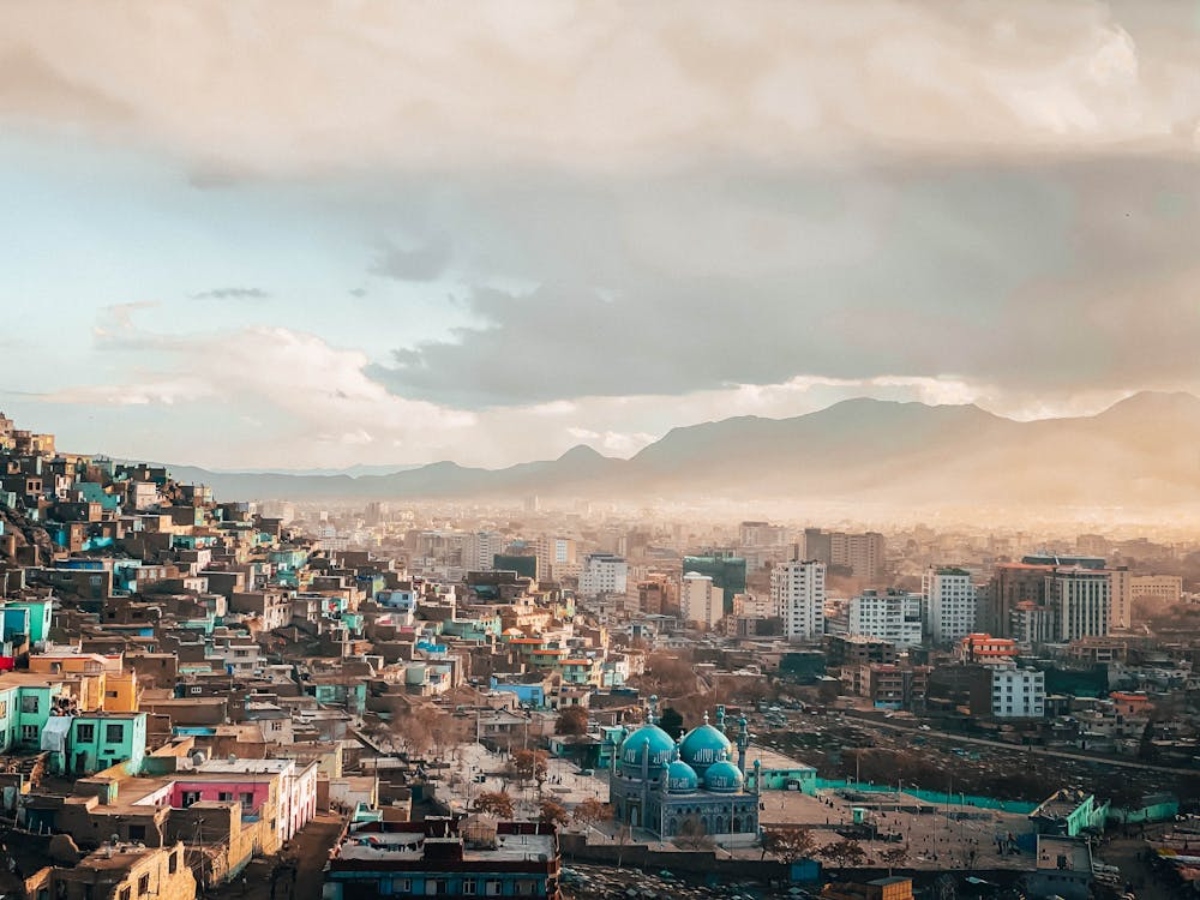
Representational image (Pexels)
Afghanistan is facing a major communications blackout after the Taliban deliberately cut fibre-optic internet connections across the country. Internet watchdog NetBlocks described the disruption as a “nationwide telecoms blackout,” reporting that national connectivity has fallen to just 14% of normal levels.
The restrictions began in mid-September when Taliban authorities ordered Balkh province to stop fibre-optic internet entirely. A provincial spokesperson said the order came from the Taliban’s supreme leader, Hibatullah Akhundzada, claiming it was necessary to prevent “vice.” Similar measures soon followed in Badakhshan, Takhar, Kandahar, Helmand, Nangarhar, and Uruzgan provinces.
Afghanistan’s telecom network relies heavily on shared fibre-optic lines, so cutting high-speed internet also affects mobile and landline phone services. NetBlocks explained that “physically pulling the plug on fibre internet would therefore also shut down mobile and fixed-line telephone services.”
The blackout has severely affected daily life in Afghanistan. Communication, business operations, and access to digital services have all been disrupted. Humanitarian organisations are struggling to stay in touch with staff and aid recipients in remote areas.
Women and students have been hit particularly hard. Since 2021, the Taliban have banned girls from attending secondary schools and universities, leaving online courses as their only option for education.
The internet shutdown now cuts that lifeline. One Kabul-based student told local media that online classes “kept our spirits alive,” highlighting the impact on young women’s access to learning. Women’s rights advocates say the Taliban are using “digital isolation” to enforce wider social control, limiting access to online communities, jobs, and global information.
Shivam Verma is a journalist with over three years of experience in digital newsrooms. He currently works at NewsX, having previously worked for Firstpost and DNA India. A postgraduate diploma holder in Integrated Journalism from the Asian College of Journalism, Chennai, Shivam focuses on international affairs, diplomacy, defence, and politics. Beyond the newsroom, he is passionate about football—both playing and watching—and enjoys travelling to explore new places and cuisines.
M Chinnaswamy New Guidelines For IPL 2026: RCB Return Home With Reduced Crowd And Safety Measures
Royal Challengers Bengaluru return to Chinnaswamy for IPL 2026 under strict new guidelines, including reduced…
The US military launched a high-impact strike on Iranian missile sites near the Strait of…
Loud explosions rocked Dubai early Wednesday as Iran escalated retaliatory strikes across the Gulf. UAE…
