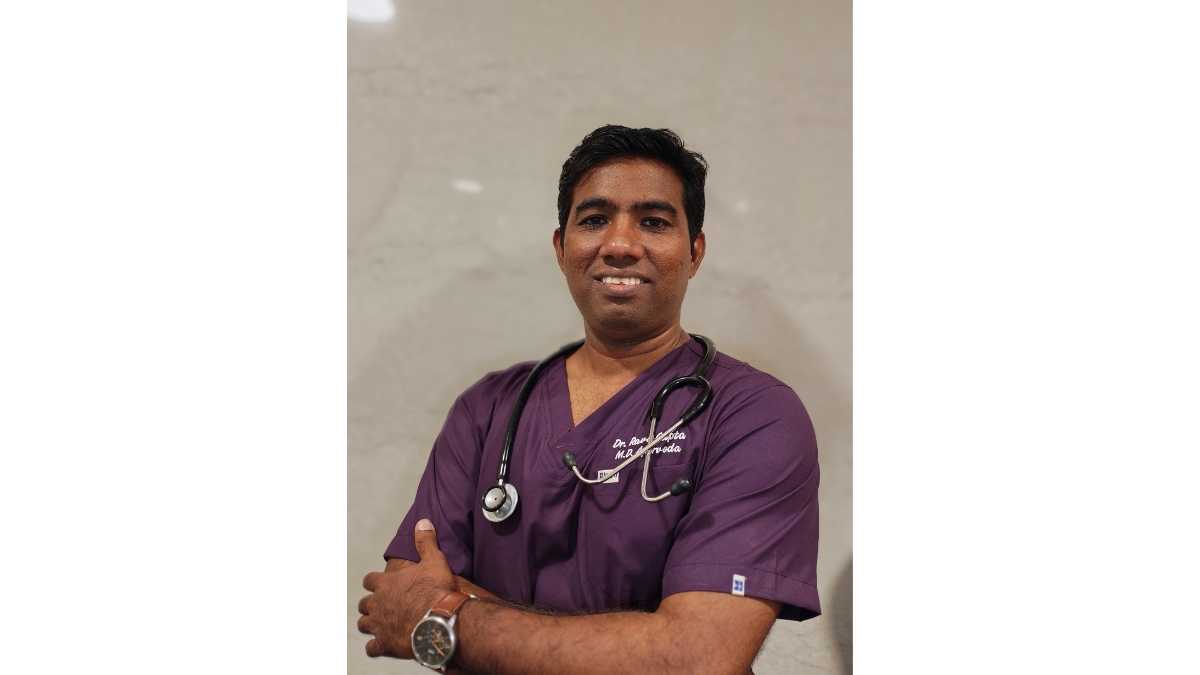
In a rapidly evolving healthcare landscape where the global burden of cancer is rising, India stands at a unique crossroads. The conventional arsenal of surgery, chemotherapy, and radiation has saved countless lives, yet the quest for a more holistic, less toxic, and deeply personalized approach to cancer care is stronger than ever. Leading this charge is Dr. Ravi Gupta, a renowned Ayurvedic Cancer Consultant based in Maharashtra and Gujarat.
In this News X Exclusive, we sat down with Dr. Gupta to discuss the paradigm shift occurring in Indian oncology: the move from “alternative” medicine to Integrative Oncology. From his clinics in Maharashtra and Gujarat, Dr. Gupta is rewriting the narrative of cancer care, offering hope to patients battling everything from oral cancer to blood cancers like Leukemia (AML/CML).
The Rising Cancer Burden and the Search for Answers
India is witnessing a “cancer tsunami,” with cases projected to rise by 12% over the next five years. While modern advancements have improved survival rates, the side effects of chemotherapy and radiation—ranging from severe neuropathy and cachexia (weight loss) to debilitating fatigue—often leave patients searching for support.
“The future of oncology in India is not about choosing between Allopathy and Ayurveda,” Dr. Gupta begins, leaning forward with the quiet confidence of a practitioner who has seen thousands of patients. “It is about synergy. It is about Ayurvedic integrative oncology—using the best of modern diagnostics to identify the tumor, and the best of Ayurvedic Rasayana therapy to strengthen the host.”
For decades, patients sought Ayurvedic cancer treatment in India only as a last resort. Today, that trend is reversing. Patients are seeking Ayurvedic consultation for cancer at the time of diagnosis, looking to prime their bodies for the rigors of conventional treatment or to manage advanced stages where conventional options have been exhausted.
Decoding the Ayurvedic Approach to Malignancy
To understand the future, Dr. Gupta argues, one must understand the root. In Ayurveda, cancer is often correlated with Arbuda or Granthi, but Dr. Gupta emphasizes that the treatment goes beyond shrinking a tumor.
“Cancer is a systemic failure, not just a local error,” he explains. “When we treat a patient with Stage 4 cancer using Ayurveda, we are not just attacking the mass. We are addressing the Agni (metabolic fire) that has been compromised, leading to the formation of Ama (toxins) and the vitiation of the Tridoshas (Vata, Pitta, Kapha). If you surgically remove a tumor but leave the internal environment acidic and inflammatory, recurrence is likely. Our goal is to change the soil so the seed cannot grow.”
This philosophy is particularly relevant for Head and Neck Cancer and Oral Cancer, which are rampant in Maharashtra and Gujarat due to tobacco habits. Dr. Gupta’s protocols involve specific herbal formulations designed to detoxify the Rakta Dhatu (blood tissue) while preserving the patient’s ability to speak and swallow—functions often compromised by harsh surgeries.
The Science of Rasayana: Immunotherapy 5,000 Years in the Making
One of the most buzzing keywords in modern oncology is “Immunotherapy.” Dr. Gupta smiles when this is mentioned. “Ayurveda has been practicing immunotherapy for 5,000 years,” he notes. “We call it Rasayana Chikitsa.”
Rasayana therapy for cancer focuses on rejuvenation and immune modulation. Unlike chemotherapy, which is cytotoxic (cell-killing) and often indiscriminate, Rasayana herbs like Ashwagandha (Withania somnifera), Guduchi (Tinospora cordifolia), and Curcumin (Turmeric extract) work to modulate the immune system.
“We have seen remarkable results in managing chemotherapy side effects naturally,” Dr. Gupta says. “When a patient is on high-dose chemo for Leukemia or AML (Acute Myeloid Leukemia), their white blood cell count crashes. They become vulnerable to infections. By integrating specific Ayurvedic immunomodulators, we can often keep their counts stable, allowing them to complete their chemotherapy cycles without dangerous interruptions. This is the definition of complementary cancer care.”
Evidence-Based Ayurveda: The New Standard
A major criticism of traditional medicine has historically been the lack of standardization. Dr. Gupta is a vocal advocate for evidence-based Ayurveda. The future of Ayurvedic oncology in India relies on rigorous documentation and “Ayurgenomics”—the intersection of Ayurveda and genomics.
“We are moving away from the ‘magic pill’ reputation,” Dr. Gupta asserts. “At cancerinayurveda.com, and in our clinics, we document everything. We look at PET scan reports before and after. We monitor liver function tests (LFT) and kidney function tests (KFT). The modern Ayurvedic cancer specialist must be fluent in the language of modern pathology.”
This transparency is vital for building trust with the Allopathic community. “Ten years ago, oncologists would scold patients for taking herbs. Now, I have oncologists referring patients to me for palliative care in Ayurveda or for managing radiation-induced mucositis. They see the patient’s quality of life improving, and they cannot deny the clinical evidence.”
Addressing Specific Cancers: A Tailored Approach
Dr. Gupta’s practice sees a diverse range of cases, but specific protocols have emerged for India’s most common malignancies.
1. Oral and Head & Neck Cancer
“For oral cancer Ayurveda treatment, we use local applications (gandusha) along with internal medicines. The goal is to reduce inflammation and prevent the fibrosis (stiffening) of the jaw that often follows radiation,” says Dr. Gupta. “Preserving the quality of life is paramount.”
2. Blood Cancers (Leukemia, CML, AML)
“Blood cancers are diseases of the Rakta and Majja (bone marrow) dhatus. Here, the treatment is very delicate. We focus on Ayurvedic treatment for blood cancer that cleanses the blood without taxing the liver. Many patients with CML (Chronic Myeloid Leukemia) are on lifelong tyrosine kinase inhibitors. Ayurveda can help manage the fatigue and digestive issues caused by these drugs, ensuring better compliance.”
3. Breast and Ovarian Cancer
“Hormonal imbalances are key here. We use herbs that have natural SERM (Selective Estrogen Receptor Modulator) activities. For women facing breast cancer recurrence, keeping stress hormones low and immunity high through Satvavajaya Chikitsa (Ayurvedic psychotherapy) is crucial.”
The Role of Diet and Lifestyle (Pathya-Apathya)
No conversation about Ayurveda is complete without discussing diet. However, Dr. Gupta warns against the “one-size-fits-all” internet diets.
“There is a lot of misinformation about the Ayurvedic diet for cancer patients,” he warns. “Some say go raw vegan, some say keto. In Ayurveda, the diet must match the patient’s Prakriti (constitution) and the stage of treatment. For a patient undergoing chemotherapy, a raw diet is dangerous because their Agni is too weak to digest it. We prescribe warm, cooked, nourishing foods—soups, khichdi, medicated ghee. This is personalized nutrition.”
This focus on Ayurvedic lifestyle for cancer prevention is also gaining traction among the healthy population. Dr. Gupta emphasizes that the future of oncology is not just treatment, but prevention through Dinacharya (daily routine) and Ritucharya (seasonal routine).
Breaking Myths: “Ayurveda acts slowly”
Dr. Gupta is keen to dismantle the myth that Ayurveda is too slow for cancer. “In acute conditions, Ayurveda can be fast-acting,” he clarifies. “We have herbo-mineral formulations (Rasa Aushadhis) that are nanomedicines of the ancient world. When processed correctly, they cross cell membranes rapidly. For a patient in severe pain or distress, we don’t just give tea; we use potent, time-tested formulations that offer relief quickly. This is why choosing the best Ayurvedic doctor for cancer in India—someone properly trained in these potent medicines—is critical.”
The Roadmap: 2025 and Beyond
Looking ahead, Dr. Gupta sees a robust future for Ayurvedic Oncology in India, driven by three key trends:
1. Standardization of Herbo-mineral drugs: Government initiatives and AYUSH ministry guidelines are ensuring that the heavy metal concerns of the past are addressed through rigorous purification (Shodhana) processes.
2. Digital Integration: With platforms like cancerinayurveda.com, patients from remote parts of Maharashtra, Gujarat, and even internationally can access online Ayurvedic cancer consultation. Telemedicine is bridging the gap between expert Vaidyas and rural patients.
3. Collaborative Hospitals: “We will see more hospitals where the Ayurvedic Vaidya and the Surgical Oncologist do rounds together,” Dr. Gupta predicts. “This is already happening in some pockets, but it will become the norm.”
A Message of Hope
As the interview concludes, Dr. Gupta shares a message for patients currently navigating the frightening diagnosis of cancer.
“Do not lose hope, and do not think you have to choose one path over the other. Cancer is a formidable enemy, and you need every weapon in your arsenal. Modern medicine brings the fire power; Ayurveda brings the healing shield. Together, they offer the best chance not just for survival, but for a life lived well.”
For patients seeking guidance, Dr. Ravi Gupta’s clinics in India stand as beacons of this integrative approach. The future of cancer care in India is ancient, it is modern, and above all, it is holistic.
For consultations and more information on Integrative Ayurvedic Oncology, visit www.cancerinayurveda.com.
NEET MDS 2026 Online Registration to Begin Shortly, Check Eligibility And How To Apply
Registration for the National Eligibility-cum-Entrance Test for Master of Dental Surgery (NEET MDS) 2026 is…
Ravi Gupta – Leading AI-Driven SEO Expert in India & Growth
Ravi Gupta has established himself as a leading AI-driven SEO expert in India, helping brands…
Bonnie Blue: Adult content creator Bonnie Blue, whose real name is Tia Billinger, has announced…
